


 Mahmoud Abbas Postpones Palestinian Elections to September 2027
  US Judge Blocks Trump Administration’s Taxpayer-Funded Political Ads
  Trump Announces Russia-Ukraine Energy Ceasefire Amid U.S. Pressure on Kyiv
  Djibouti Migrant Boat Capsizes, Killing 139 and Leaving 84 Missing
  US Authorities Raid Ilhan Omar’s Home Amid Immigration Fraud Probe
  Greenland Lawmakers Back Trump Security Deal Despite Economic Concerns
  Zelenskiy Offers Russia Energy Truce Amid Trump Pressure
  North Korea Fires Ballistic Missiles Amid Rising Tensions With South Korea
  Most Americans Oppose Election Betting on Prediction Markets, Poll Finds
  Trump Denies Russia and China Are Helping Iran in U.S. Conflict
  Pakistan Declares Emergency in Khyber Pakhtunkhwa, Suspends Imran Khan’s PTI Government
  Yandex Data Center Hit by Drone Strike as Russia-Ukraine Cyber Infrastructure Attacks Escalate
  Trump Announces Russia-Ukraine Energy Ceasefire as Zelenskiy Awaits Details
  UK Finance Minister Healey Calls for Fiscal Discipline Amid Global Risks
  Brazil Election: Lula and Bolsonaro Rally Ahead of October 25 Runoff
  US Condemns China Sanctions on Taiwan Allies Belize and Paraguay


 Add as a preferred source on Google
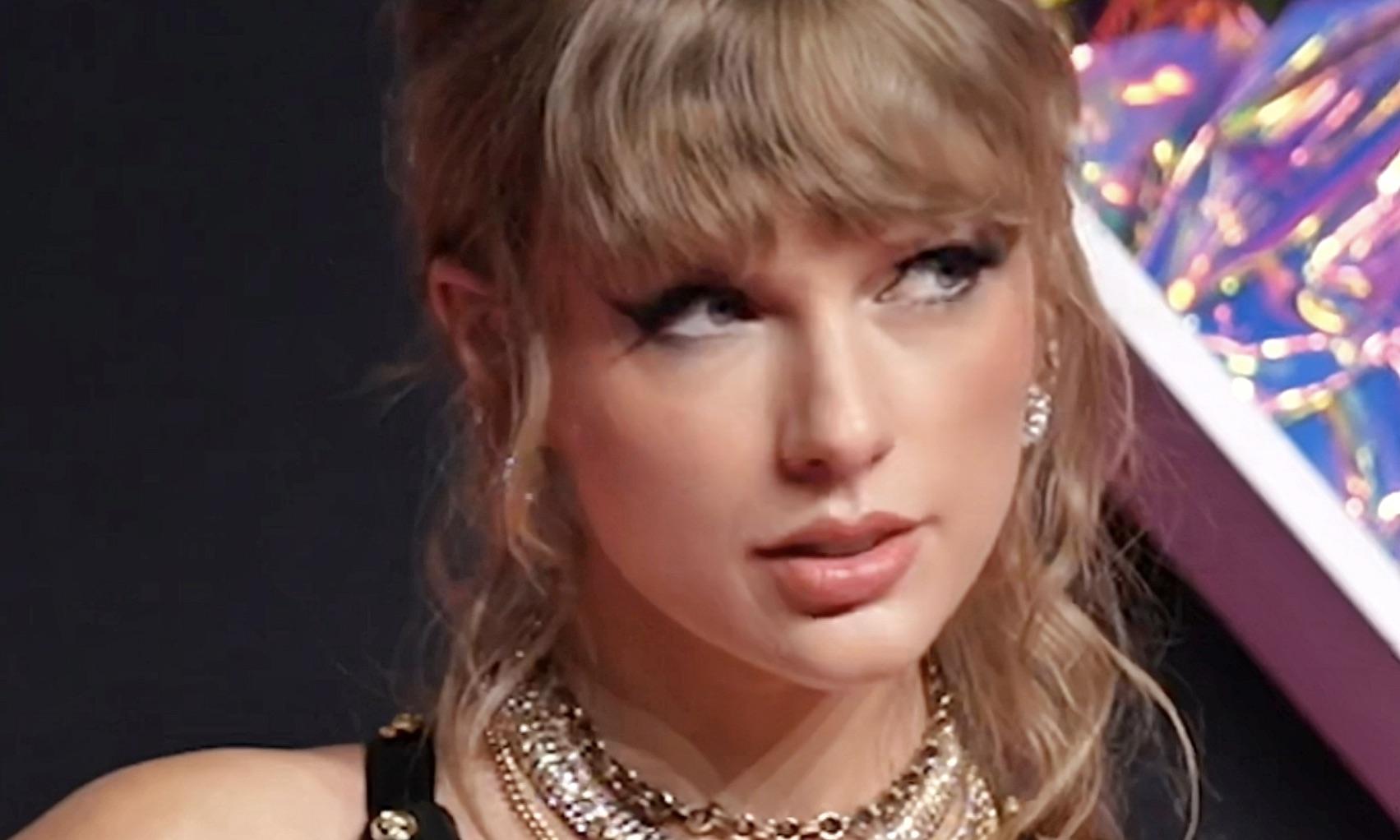
In a recent interview, former President Donald Trump denied any involvement in the creation of AI-generated images that portrayed Taylor Swift fans wearing pro-MAGA attire. The controversy erupted after Trump shared several of these manipulated images on his Truth Social platform, leading to widespread criticism and backlash from Swift's devoted fanbase.
The incident came to light when Trump posted a series of images, one of which depicted Taylor Swift in an "Uncle Sam" outfit with a caption urging her fans to vote for him. Another image, labeled as "satire," suggested that Swift's fans were turning to Trump after a fictional incident involving ISIS. These posts quickly went viral, sparking outrage among Swift's followers, who were quick to point out the artificial nature of the images.
During an interview on The Evening Edit with Grady Trimble on August 21, Trump addressed the controversy head-on. When asked about the origins of the images and whether he was concerned about potential legal action from Swift, Trump sidestepped the question, instead emphasizing that he had no involvement in creating the images. He attributed the creation of the AI-generated photos to others, distancing himself from the controversy.
"I don’t know anything about them, other than somebody else generated them. I didn’t generate them," Trump stated, making it clear that he did not produce the images himself. He also expressed concerns about the dangers of artificial intelligence, noting how AI has been used to create audio clips mimicking his voice and endorsing products without his consent.
Swift's fanbase, known for their fierce loyalty, quickly took to social media to condemn Trump's actions. Many criticized him for sharing the manipulated images, with one user on X (formerly Twitter) calling the situation "uniquely pathetic, even for Trump." Another fan pointed out the potential implications of Trump forcing Swift to respond to the fake images, suggesting that it could backfire politically.
As of now, Taylor Swift has not publicly commented on the AI-generated images or the controversy surrounding them. However, the incident has reignited discussions about the ethical implications of AI technology and its potential to spread misinformation.
The use of AI to create realistic but fake images and audio clips has become a growing concern, particularly in the political sphere. Trump's comments during the interview highlight the potential risks associated with this technology, as well as the challenges it poses in distinguishing fact from fiction.
This latest controversy adds to the ongoing debate about the role of artificial intelligence in modern society and the need for regulations to prevent the misuse of such technology. As the 2024 election approaches, the issue of AI-generated content is likely to remain a hot topic, especially in the realm of political campaigns.







