


 Zelenskiy Says Ukraine Received No Warning Before Russian Missile Attack
  UN Urges Talks on Lebanon Peacekeeping Mission Extension
  Elon Musk Donates $366 Million to 2026 US Midterms
  MI5 Warns of Rising Iran, Russia Threats and AI Bioweapon Risks
  US Senate Midterms 2026: Key Races That Could Flip Control
  US Condemns China Sanctions on Taiwan Allies Belize and Paraguay
  Zelenskiy Seeks New US Talks to Revive Ukraine-Russia Peace Negotiations
  Trump Confirms US Intelligence Sharing With Ukraine Amid Russian Strikes
  Most Americans Oppose Election Betting on Prediction Markets, Poll Finds
  US Justice Department Drops Prosecution of Ex-CIA Analyst Sue Mi Terry
  Gaza Olive Harvest Collapses as War Destroys Farmland
  Container Ship Sinks in Strait of Hormuz as Iran Attacks Escalate
  FBI Denies Report of Kash Patel’s Russia Visit
  SpaceX Starlink Restrictions Disrupt Ukraine Military Operations
  Jordan Bardella Antisemitism Allegations Threaten Le Pen’s Campaign
  Flavio Bolsonaro Backs Brazil’s 40-Hour Workweek Reform Ahead of Runoff
  Netanyahu Rejects Preemptive Iran Strike Ahead of Israel Election


 Add as a preferred source on Google
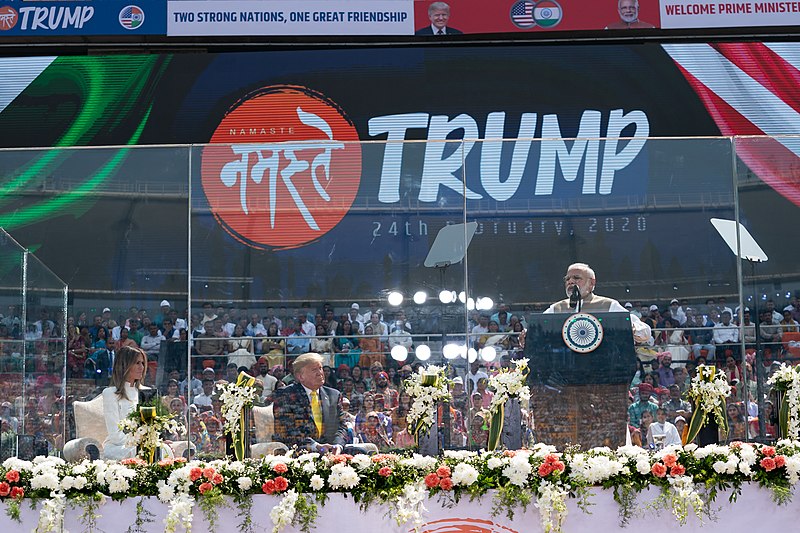
President Donald Trump is someone who demands absolute loyalty, or someone who agrees with him all the time. Recently, the President announced that they were going to sue the New York Times for libel on the opinion piece regarding Russian relations.
Trump is suing the publication for supposed defamation as they reportedly made a false report that there was a connection between his reelection campaign and Russia. The Russian government and oligarchy reportedly helped Trump and his campaign in exchange for preferential treatment as well as respect for the sanctions from issues related to the two countries.
Although Trump is planning to sue and has already issued a statement that they are suing, on the other end of the spectrum, this will allow the New York Times to actually conduct an investigation to see if the content in the op-ed piece were actually true or false. The Times will now be able to ask whoever they want, and that will also include deposing Trump’s own family, his three eldest children in particular, who are also his political advisors. The Times will also be able to demand records of phone conversations, travel records, in order to ensure that the truth comes out.
As well, the New York Times will also get a chance to file a countersuit for the times that Trump has attacked them on social media as well. Should the New York Times file a countersuit, it will prevent the Trump campaign from dismissing the case in its entirety, something they, Trump and company, seem to think they can do because they somehow are above the law.
In response to the lawsuit, the New York Times spokesperson said, “The Trump campaign has turned to the courts to punish an opinion writer for having an opinion they find unacceptable. Fortunately, the law protects the rights of Americans to express their judgments and conclusions, especially about events of public importance. We look forward to vindicating that right in this case.”
The piece in question was written back in March of 2019, by former executive editor Max Frankel. The piece argued that Trump’s campaign and Russian President Vladimir Putin had an “overarching deal” and that meant that the Russians would help in the campaign against Trump’s then-presidential rival Hillary Clinton, a new foreign policy that is pro-Russia, and removal of the sanctions placed on Russia.







