


 Flavio Bolsonaro Leads Lula in Brazil Presidential Runoff Poll
  Trump Confirms US Intelligence Sharing With Ukraine Amid Russian Strikes
  US Justice Department Drops Prosecution of Ex-CIA Analyst Sue Mi Terry
  Trump Announces Massive Oil and Mineral Exploration Plans in Greenland
  Zelenskiy Says Trump’s Support for Russia Is ‘Painful’
  China Resumes US Soybean Purchases After Trump-Xi Summit
  Gaza Olive Harvest Collapses as War Destroys Farmland
  US Supreme Court Denies Release of Anti-ICE Activist Kyle Wagner
  Container Ship Sinks in Strait of Hormuz as Iran Attacks Escalate
  South Korea Warns Changing US Wartime Command Rules Could Delay Transfer
  Flavio Bolsonaro Backs Brazil’s 40-Hour Workweek Reform Ahead of Runoff
  China Warns Taiwan Over South China Sea Coast Guard Incident
  Netanyahu Rejects Preemptive Iran Strike Ahead of Israel Election
  Italy’s Meloni Warns US-Russia Diesel Deal Could Weaken Ukraine Sanctions
  Zelensky Says Ukraine Will Resume Strikes on Russian Oil Facilities
  Trump Announces New Military Super Range in Montana for Advanced Weapons Testing
  US Recalls Nicaragua Envoy After Ambassador Rejection


 Add as a preferred source on Google
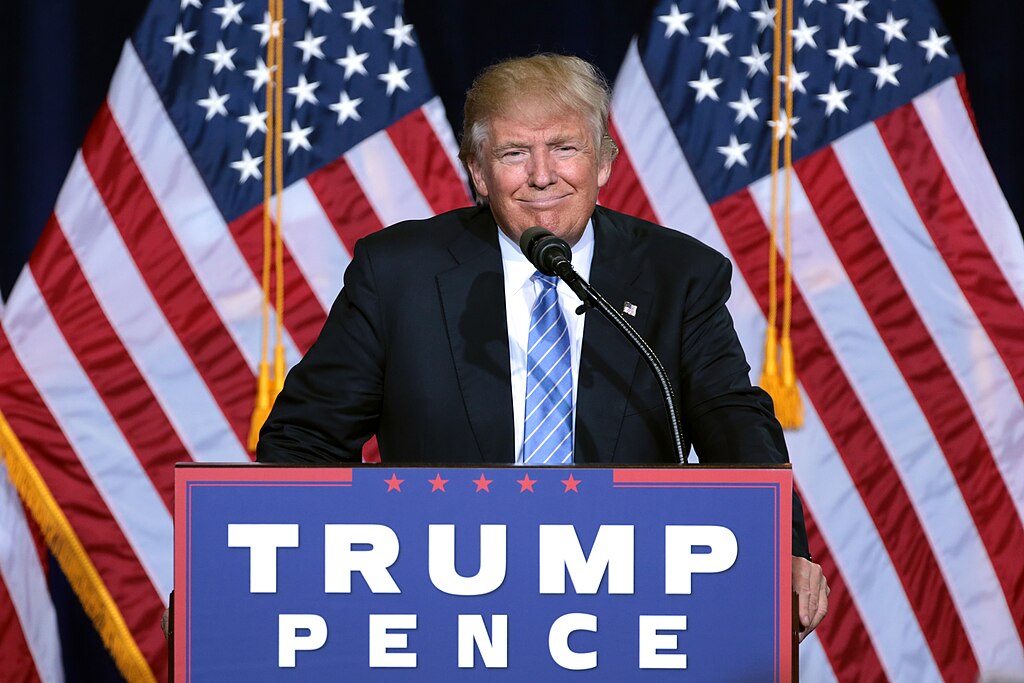
In a move that has taken Washington by surprise, President-elect Donald Trump has appointed Susie Wiles as his White House Chief of Staff. The appointment places Wiles, a long-time political strategist and Trump ally, in one of the most influential positions in the upcoming administration. Known for her sharp political acumen and unwavering loyalty, Wiles’ promotion has stirred reactions across the political spectrum, with some insiders calling her “the true power behind the throne.”
An Unlikely Choice Amid Fierce Competition
Wiles’ rise to Chief of Staff is unexpected, considering the number of other high-profile figures who were reportedly in the running for the position. Her appointment signals Trump’s reliance on trusted allies and a willingness to deviate from convention. A seasoned strategist, Wiles has been credited with securing Trump’s victory in crucial swing states, including Florida, in both the 2016 and 2024 campaigns. Her deep understanding of grassroots dynamics and political strategy has made her a valued confidante in Trump’s inner circle.
Despite her impressive resume, Wiles’ new role has sparked debate. Many political analysts view her as a highly polarizing figure. Her critics argue that she lacks the extensive federal government experience typically associated with the Chief of Staff position. Yet, for Trump, Wiles’ loyalty and proven track record seem to outweigh any perceived gaps in her résumé. As one source close to the administration noted, “With Trump, loyalty is everything, and Susie has shown that time and time again.”
A Controversial Influence in the White House
Wiles’ influence over Trump’s decision-making process has long been a subject of speculation. Known for her low profile and aversion to media attention, Wiles operates behind the scenes, making her an enigma to many. Some insiders claim she holds more sway than her predecessors, describing her as a strategist who shapes Trump’s policies and messaging with precision.
Her influence was apparent throughout Trump’s campaign, where she led efforts that many believe clinched key victories. Her appointment signals a possible shift in the administration’s tone and approach. “Wiles is strategic but doesn’t shy away from bold moves. We may see a more assertive White House,” said political analyst Mark Bradford.
However, not everyone in Trump’s circle is celebrating Wiles’ appointment. Some insiders expressed concerns over her tendency to prioritize loyalty over broader strategic alliances, which could lead to isolation within the administration. “Her influence on Trump is significant, and that’s both a strength and a weakness,” noted an anonymous staffer. “She’s focused, yes, but her inner circle approach might alienate potential allies.”
What Wiles’ Appointment Means for Trump’s Agenda
With Wiles as Chief of Staff, analysts predict that Trump’s administration may pursue an agenda focused heavily on fulfilling campaign promises that resonated with his core supporters. Wiles, who is known for her grassroots approach, may reinforce Trump’s emphasis on populist policies aimed at reshaping the federal landscape. Observers also expect Wiles to bring a Florida-centric approach to Washington, given her deep roots in the state’s political dynamics.
As Trump prepares for his second term, Wiles’ role will likely shape much of his legislative and policy agenda. Her appointment is seen as a signal that Trump plans to retain tight control over his inner circle, potentially sidestepping more traditional advisors in favor of a close-knit team of loyalists.
While Wiles’ tenure as Chief of Staff remains to be seen, her appointment has undoubtedly intensified discussions in Washington. As one insider remarked, “With Susie in the White House, expect the unexpected. She’s not here to play by anyone else’s rules.”







