


 Zelenskiy Seeks New US Talks to Revive Ukraine-Russia Peace Negotiations
  Gaza Olive Harvest Collapses as War Destroys Farmland
  Jordan Bardella Antisemitism Allegations Threaten Le Pen’s Campaign
  Elon Musk Donates $366 Million to 2026 US Midterms
  Flavio Bolsonaro Backs Brazil’s 40-Hour Workweek Reform Ahead of Runoff
  Container Ship Sinks in Strait of Hormuz as Iran Attacks Escalate
  Trump Denies China, Russia Are Helping Iran in War
  US Senate Midterms 2026: Key Races That Could Flip Control
  Kim Jong Un Showcases ICBM Ahead of Possible Trump Meeting
  China Resumes US Soybean Purchases After Trump-Xi Summit
  SpaceX Starlink Restrictions Disrupt Ukraine Military Operations
  Italy’s Meloni Warns US-Russia Diesel Deal Could Weaken Ukraine Sanctions
  IMF Warns US Debt Crisis Needs Fiscal Action, Urges China to Boost Consumption
  Netanyahu Rejects Preemptive Iran Strike Ahead of Israel Election
  Zelenskiy Says Trump’s Support for Russia Is ‘Painful’
  China Warns Taiwan Over South China Sea Coast Guard Incident
  US Supreme Court Denies Release of Anti-ICE Activist Kyle Wagner


 Add as a preferred source on Google
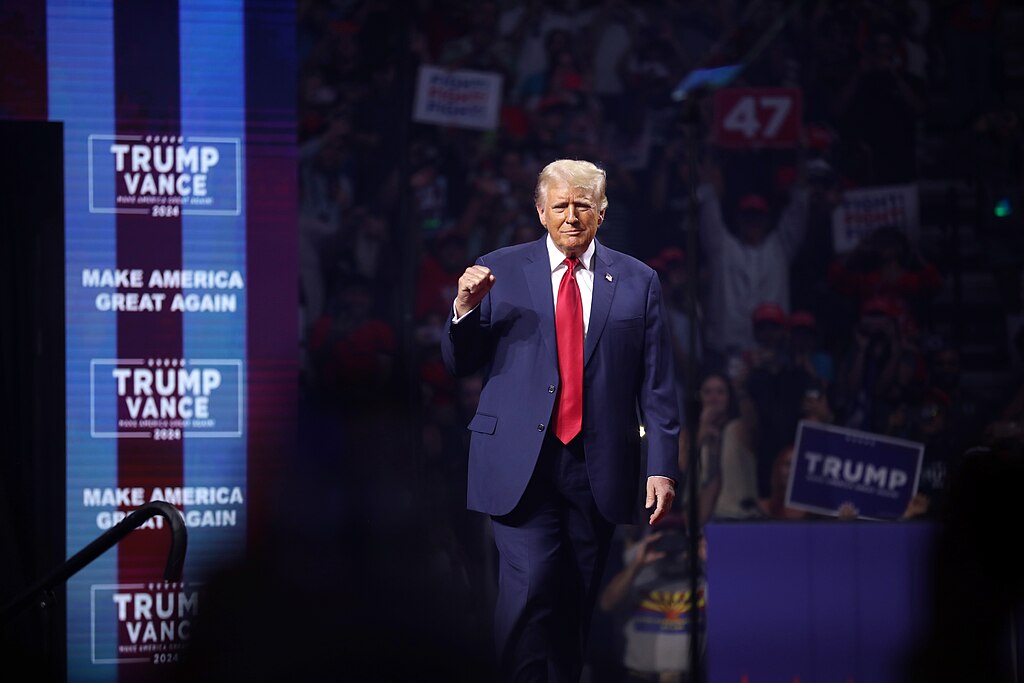
In a surprising turn of events, former President Donald Trump secured 64% of the Native American vote in the recent election, defying traditional voting patterns and reshaping the political landscape.
Historically, Native American communities have leaned toward Democratic candidates, often citing policies that align with their interests in healthcare, education, and tribal sovereignty. However, the latest election results indicate a significant shift, with a substantial majority casting their ballots for Trump.
This development has prompted political analysts to reassess the factors influencing Native American voters. Economic concerns, particularly those exacerbated by the COVID-19 pandemic, appear to have played a pivotal role. Many tribal communities faced severe economic downturns during the pandemic, leading to increased support for Trump's promises of economic revitalization and job creation.
Additionally, Trump's stance on energy policies, including support for oil and gas development, resonated with certain tribes involved in these industries. For instance, the Navajo Nation, which has significant interests in energy production, may have viewed Trump's policies as beneficial to their economic interests.
Conversely, some Native American leaders have expressed concern over this shift. They argue that while economic issues are crucial, other aspects such as environmental protection and upholding treaty rights should not be overlooked. The Trump administration's previous decisions, including reducing the size of national monuments like Bears Ears, have been contentious topics within Native communities.
The Democratic Party is now faced with the challenge of understanding and addressing the evolving priorities of Native American voters. This demographic's support is crucial in swing states like Arizona and Wisconsin, where Native votes can influence election outcomes.
Moving forward, both parties may need to engage more deeply with Native American communities, ensuring that their policies reflect the diverse needs and concerns of these populations. The recent election results serve as a reminder of the dynamic nature of voter behavior and the importance of addressing the multifaceted issues that matter to all Americans.







