


 Trump Eyes End to Iran War, Plans Gulf Leaders Meeting
  Nvidia-Groq AI Chip Deal Faces U.S. Antitrust Probe
  South Korea’s Cho Hyun to Meet Rubio in Washington
  UK PM Andy Burnham Set for First Trump Meeting in New York
  Ovechkin Faces Scrutiny Over United Russia Campaign Video
  US Bans Canadian Alcohol, Motorcycles as Trade War Escalates
  SEC Seeks ISS Client Voting Records in Proxy Adviser Probe
  Europe can’t achieve space sovereignty alone. Here’s why
  Saudi Arabia Raises Security Alerts as Houthi Attacks Threaten Oil Routes
  Australia Tightens Student Visa Rules, Targets Migration Cut by 2028
  Trump Administration Removes Confederate Memorial Criticism From Arlington Website
  Trump Threatens EU Tariffs Over Canada Membership Proposal
  Judge Blocks Trump Rule Limiting Foreign Student Visas
  ICE Agent Arrested in Minneapolis Over Venezuelan Man Shooting
  Paris Talks Focus on Lebanon Army Needs as UNIFIL Exit Looms
  Nvidia CEO Jensen Huang Expected at Trump-Xi State Dinner
  Japan, U.S. Discuss $19 Billion GlobalFoundries Chip Plant


 Add as a preferred source on Google
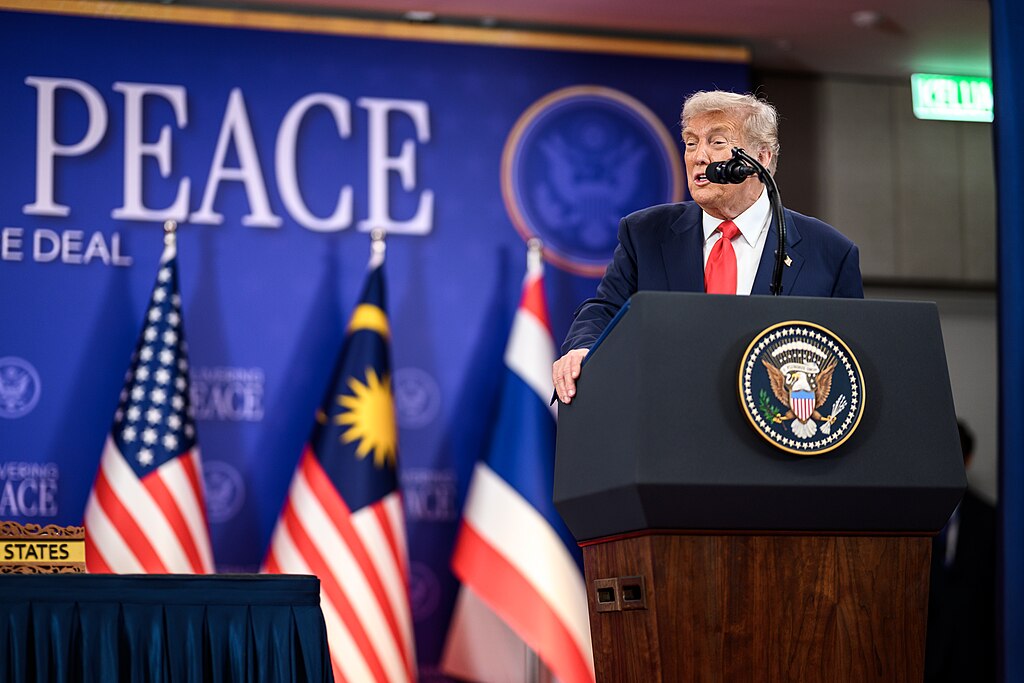
U.S. President Donald Trump has signed a new executive order designed to protect revenue generated from the sale of Venezuelan oil that is currently held in U.S. Treasury accounts. According to a statement released by the White House on Saturday, the order prevents these funds from being subject to attachment, seizure, or any form of judicial process, reinforcing Washington’s broader strategy toward Venezuela’s ongoing political and economic crisis.
The White House emphasized that the executive order is a proactive measure aimed at safeguarding Venezuelan oil revenue from legal claims that could divert the funds away from their intended purpose. In a fact sheet accompanying the announcement, the administration stated that President Trump is acting to stop the seizure of these assets, warning that such actions could undermine critical U.S. efforts to promote economic recovery and political stability in Venezuela.
Venezuelan oil revenue has become a highly sensitive issue amid years of U.S. sanctions, international legal disputes, and internal political turmoil within Venezuela. Funds derived from oil exports and held in U.S. financial institutions have been vulnerable to lawsuits from creditors and other claimants seeking compensation for unpaid debts and expropriations. The new executive order seeks to block those legal efforts by placing the revenue beyond the reach of U.S. courts.
The Trump administration has consistently argued that protecting Venezuelan state assets abroad is essential to ensuring they can eventually be used for the benefit of the Venezuelan people, rather than being consumed by prolonged legal battles. By shielding oil revenue from judicial action, the U.S. government aims to maintain leverage in diplomatic negotiations while supporting its stated goal of fostering democratic governance and economic stability in Venezuela.
This move also reflects Washington’s broader foreign policy approach toward Caracas, combining economic pressure with measures intended to preserve key national resources. The executive order is likely to draw attention from international creditors, legal experts, and policymakers, as it underscores the complex intersection of sanctions, sovereign assets, and geopolitical strategy surrounding Venezuelan oil and U.S.-Venezuela relations.







