


 Zelenskiy Says Ukraine Received No Warning Before Russian Missile Attack
  US Senate Midterms 2026: Key Races That Could Flip Control
  US Justice Department Drops Prosecution of Ex-CIA Analyst Sue Mi Terry
  Zelenskiy Says Trump’s Support for Russia Is ‘Painful’
  Container Ship Sinks in Strait of Hormuz as Iran Attacks Escalate
  US Condemns China Sanctions on Taiwan Allies Belize and Paraguay
  US Recalls Nicaragua Envoy After Ambassador Rejection
  China Warns Taiwan Over South China Sea Coast Guard Incident
  Trump Denies Russia and China Are Helping Iran in U.S. Conflict
  Netanyahu Rejects Preemptive Iran Strike Ahead of Israel Election
  UN Urges Talks on Lebanon Peacekeeping Mission Extension
  Trump Announces Massive Oil and Mineral Exploration Plans in Greenland
  Trump Warns Houthis Over Attacks, Considers Erdogan Intervention
  Gaza Olive Harvest Collapses as War Destroys Farmland
  SpaceX Starlink Restrictions Disrupt Ukraine Military Operations
  Trump Denies China, Russia Are Helping Iran in War
  Elon Musk Donates $366 Million to 2026 US Midterms


 Add as a preferred source on Google
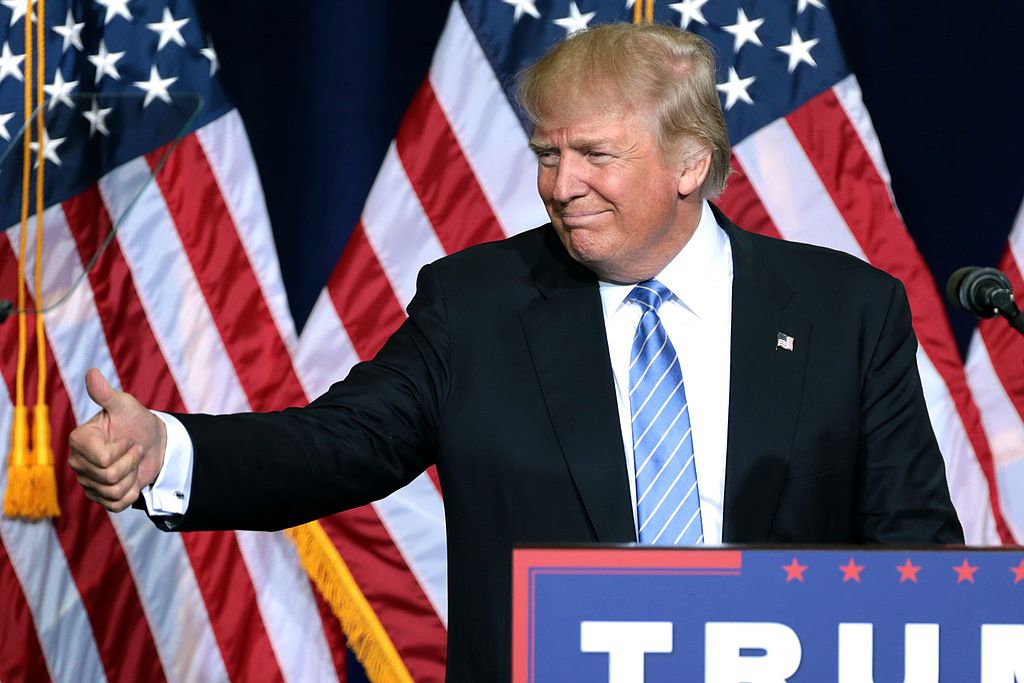
In his second term, President Donald Trump has taken an assertive approach to dealing with state governors, raising concerns over the balance of power between federal and state governments. While some governors praise his decisive actions, others warn that his policies risk undermining state autonomy.
Trump’s relationship with governors has been marked by frequent clashes over issues ranging from immigration enforcement to education funding. His administration’s insistence on uniform policies, particularly in matters like border control and economic revitalization, has sparked a heated debate about the role of federal authority in state governance.
Immigration Policy Creates Rift Between Red and Blue States
Immigration enforcement has been one of the most contentious issues dividing the administration and state leaders. Trump’s directive mandating cooperation between state governments and federal immigration authorities has drawn criticism from governors in predominantly Democratic states.
California Governor Gavin Newsom has been one of the most vocal critics, calling Trump’s policies “unconstitutional overreach.” Meanwhile, Texas Governor Greg Abbott has endorsed the federal directives, citing the need for a coordinated response to illegal immigration.
In addition, the administration’s move to withhold federal grants from states that refuse to comply with immigration policies has escalated tensions. States like Illinois and New York have filed lawsuits, accusing the administration of coercive tactics.
Analysts believe that Trump’s stance on immigration is aimed at bolstering his political base while putting pressure on governors who oppose his agenda. However, legal experts argue that the administration’s actions could set a dangerous precedent for federal-state relations.
Economic Revitalization Sparks Mixed Reactions
Economic policy has been another flashpoint. Trump’s push for national infrastructure projects has faced resistance from governors concerned about federal oversight. While some states welcome the investments, others criticize the administration’s top-down approach to decision-making.
For instance, Michigan Governor Gretchen Whitmer has questioned whether Trump’s infrastructure plans adequately address local needs. Conversely, Florida Governor Ron DeSantis has praised the administration’s focus on job creation, calling it a “game-changer” for his state.
Trump’s public disputes with governors have also fueled criticism. In a recent exchange, he accused Pennsylvania Governor Josh Shapiro of “failing to deliver” on economic promises. Shapiro responded by calling the administration’s policies “out of touch with the needs of working families.”
Social Media Divided Over Trump’s Actions
Trump’s approach has drawn a wide range of reactions online, with many taking to social media to share their views:
- @PolicyObserver: "Trump’s heavy-handed tactics with governors are a dangerous move toward centralizing power. #StateRights"
- @BuildAmericaNow: "Federal infrastructure spending is exactly what states need right now. Kudos to Trump for getting it done! #Infrastructure"
- @ImmigrationJustice: "California’s fight against Trump’s immigration overreach is necessary to protect constitutional rights. #Resist"
- @SmallGovAdvocate: "State leaders should step up or step aside. Trump’s doing what needs to be done. #AmericaFirst"
- @EconAnalyst2025: "The tension between federal and state governments is only going to grow. Buckle up. #TrumpPolicies"
- @HeartlandVoter: "Love him or hate him, Trump is shaking up the system like no one else can. #Leadership"
Looking Ahead: Federal-State Dynamics in 2025
As Trump’s administration continues to navigate its second term, the relationship between federal and state governments remains at the forefront of political discourse. While supporters see Trump’s actions as necessary for national progress, detractors warn that the erosion of state autonomy could have long-term consequences for America’s federal system.







