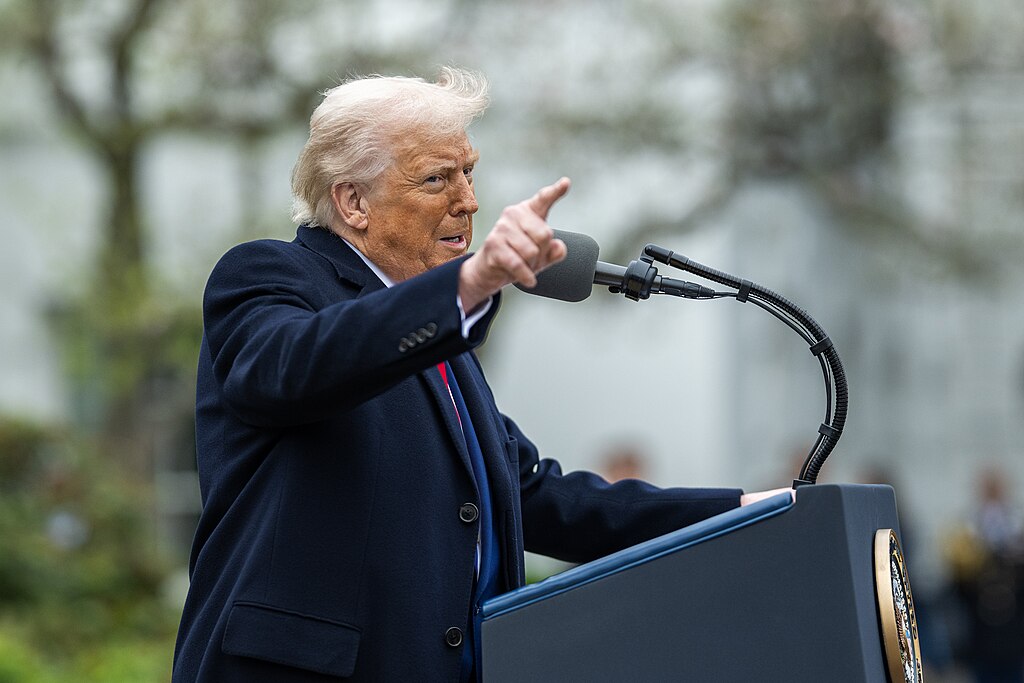
Ontario Premier Doug Ford has reignited tensions in U.S.-Canada trade talks after airing a political ad that drew harsh criticism from U.S. President Donald Trump. The ad, featuring former President Ronald Reagan warning against tariffs, ran during the World Series and quickly became the center of controversy. Trump accused Ford of spreading “fraudulent” information and responded by announcing a 10% tariff increase on Canadian goods.
Following the dispute, Washington suspended trade negotiations with Canada, halting progress toward lifting U.S. tariffs on Canadian steel and aluminum. Prime Minister Mark Carney, who has sought a diplomatic tone with Trump, urged calm, while Ford initially refused to pull the ad but later agreed to pause the campaign after weekend broadcasts.
Political analysts believe Ford’s confrontational style mirrors Trump’s populist tactics, appealing to certain audiences but risking diplomatic fallout. “When you use Ford’s attack-dog approach, there’s always a risk you’ll get smacked,” said Asa McKercher, a U.S.-Canada relations expert at St. Francis Xavier University. The dispute also caused the Canadian dollar to weaken, with Ontario’s auto and steel sectors feeling the immediate impact.
Despite the backlash, Ford’s message found support from unexpected corners. Manitoba Premier Wab Kinew and Green Party leader Elizabeth May publicly backed his stance, while pollster Shachi Kurl noted that Ford’s bold moves often play well with voters.
Experts suggest Ford’s hardline position may serve as a political counterbalance to Carney’s diplomatic tone. “Ford can play the bad guy while Carney keeps talks on track,” said Western University’s Laura Stephenson.
Former U.S.-Canada adviser Diamond Isinger added, “If the ad wasn’t effective, Trump wouldn’t be reacting so strongly.”