Dunkin’ has a deep connection to blueberries, sourcing over five million pounds annually from U.S. farms to produce its popular blueberry muffins and other baked goods. Though the chain has faced controversy, it continues celebrating its fruity offerings and blueberry-infused treats.
Dunkin’ Expands Its Blueberry Offerings, From Summer Drinks to Beloved Muffins, Sourced Across the U.S.
Dunkin' has recently gained recognition for its blueberry-flavored drinks. During the summer of 2024, the brand partnered with Nick DiGiovanni to release several new offerings, including the standout Blueberry Donut Iced Coffee, which quickly became a fan favorite. Though these seasonal beverages are no longer available, Dunkin' offers fruity options. Customers can now enjoy a Blueberry Iced Dunkalatte, a unique take on traditional lattes as it contains coffee-flavored milk. For those who prefer customization, a shot (or two) of unsweetened, sugar-free blueberry flavor can easily be added to any drink.
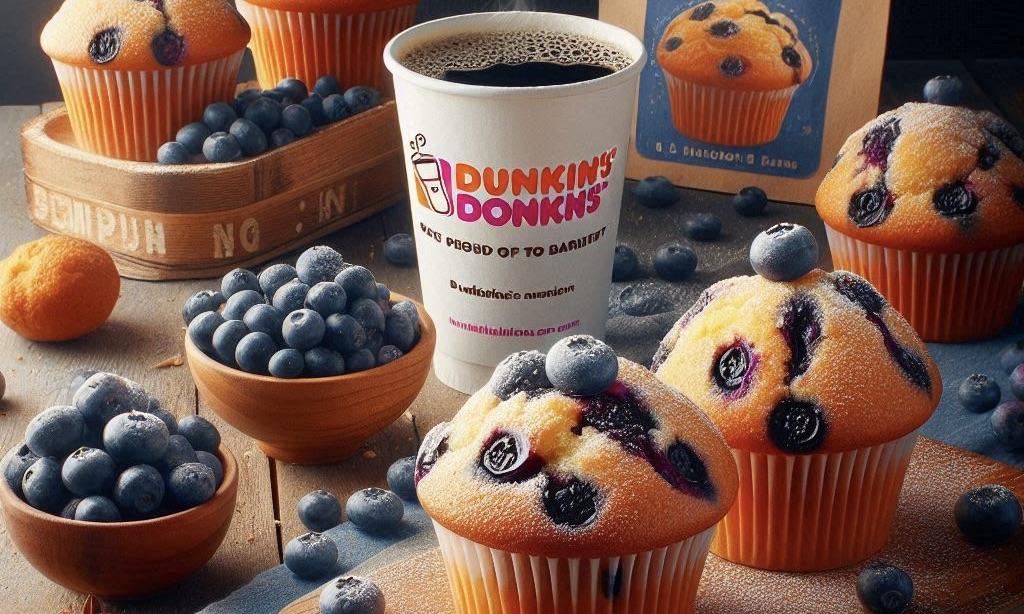
Dunkin's longstanding connection to blueberries extends beyond just its drinks, with the chain selling blueberry muffins since 1950. To meet the demand for these beloved treats, Dunkin' sources approximately five million pounds of blueberries annually from across the United States, both wild and cultivated. Massachusetts, where Dunkin' first opened in Quincy, holds a particular fondness for the blueberry muffin, with customers in the state favoring it more than anywhere else in the country.
Dunkin’ Sources Millions of U.S.-Grown Blueberries for Baked Goods, Despite Past Ingredient Controversy
Even if Dunkin' weren’t an American company, it wouldn't be surprising that it sources its blueberries from the U.S. As one of the top global producers of blueberries, alongside Canada, Chile, and Mexico, the U.S. supplies a substantial portion of the world's blueberries. According to the U.S. Highbush Blueberry Council, 98% of American-grown blueberries come from just ten states, mainly on the coast. Washington leads production, followed by Oregon, Georgia, Michigan, California, New Jersey, North Carolina, Florida, Texas, and Minnesota.
Despite this abundant supply, Dunkin' faced controversy in 2017 when a lawsuit in Chicago accused the chain of using misleading advertising regarding blueberries in some of its bakery items. Specifically, products like blueberry donuts and donut holes were called into question. Although real blueberries still aren't listed as an ingredient in Dunkin’s Glazed Blueberry Munchkins, the chain does use sweetened wild blueberries in its muffins. These berries, sugar, wild blueberry juice extract, and wheat flour ensure that Dunkin' puts its U.S.-sourced fruit to good use in some of its baked goods.