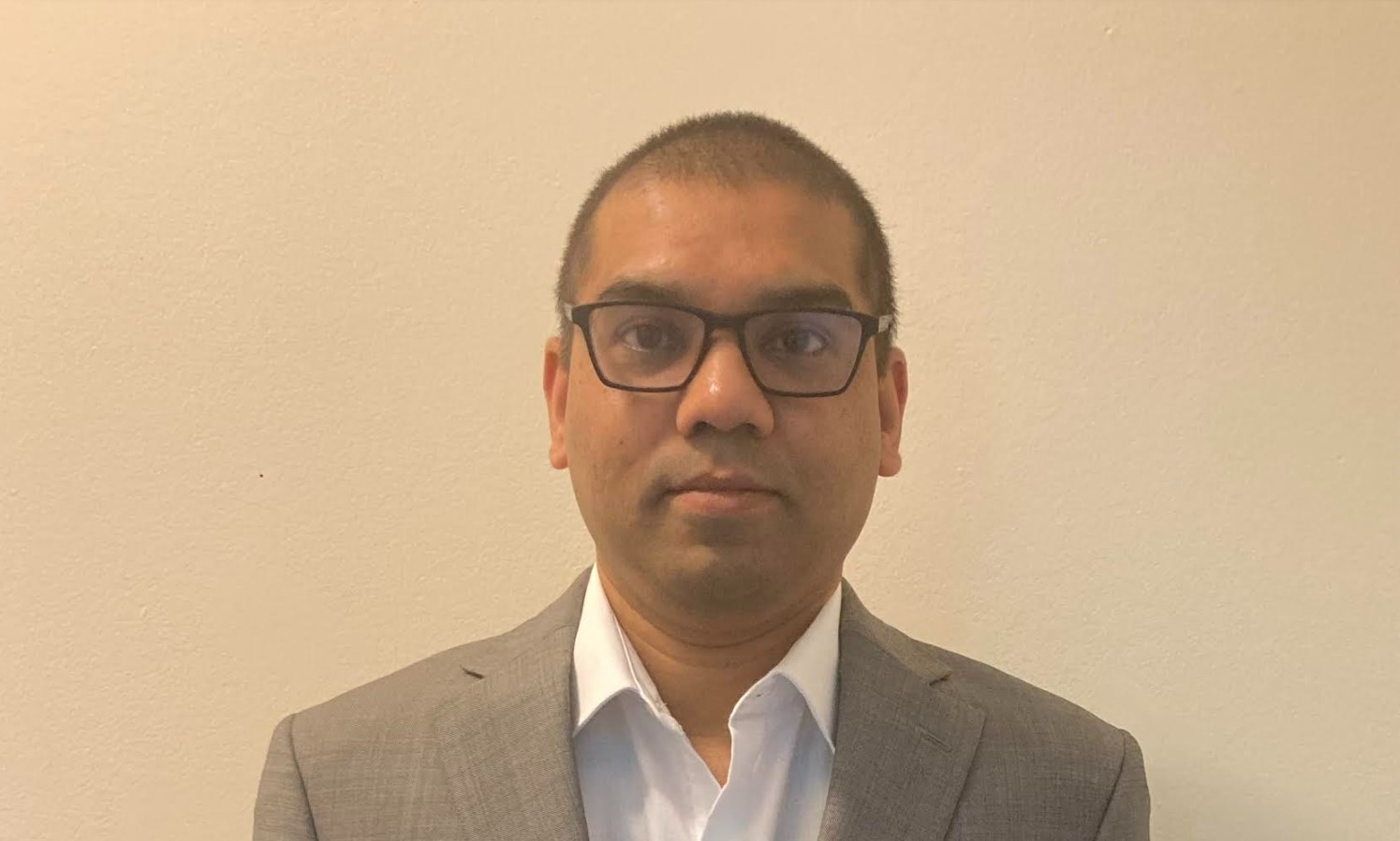
Written by: James Carnell
The human body is incredibly complex; throughout life, humans grow, change, and develop, and unfortunately, those changes are not always for the better. Cancerous cells and other diseases can show up, seemingly overnight, leaving the best scientists and medical professionals to react as best they can. Some cancers have a better prognosis and treatment plans than others, but if humans are going to beat cancer, we need scientists like Durga Attili leading the charge.
Durga Attili was one of the pioneers who played a major role in developing a method to isolate human Lgr5-positive cells from cultured organoids grown from cancer and normal, healthy tissues obtained from patients. Cells that are Lgr5-positive are thought to be adult stem cells that become cancer cells in tumors, as these cells are often found in patients with colon cancer, ovarian cancer, and other types of cancer. The ability to isolate these cells, test them, and even remove them is a revolutionary development for impacted patients.
Taking it one step further, Durga Attili’s method allows these cells to be stored in a biobank, supplying researchers across the United States with a vital resource for testing different drugs, DNA methylation, and cell pathway mechanisms to further understand the development of these cells in humans and how they react to certain outside factors. Without the ability to study these cells outside the human body, the medical community would only be able to study on animals, leaving a lot of room for error. Now, real human cells can be studied without harming anyone or even disrupting their day-to-day lives.
Biobanks are key components in fighting against any cancer or other cell-altering disease. Durga Attili works diligently to establish biobanks and empower molecular biologists and other scientists in their studies. Today, there is a biobank that supplies Human Normal Duodenum, Colon, Adenoma, and Adenocarcinoma organoids worldwide thanks to the work of Durga and his colleagues.
Further, in his work on the Aquamin Clinical Study, Durga Attili built out a normal colon organoid biobank, treated adenomas and normal colon organoids with either calcium on its own or Aquamin to further understand the impact determine the success of Aquamin. Molecular biology is a field dominated by details, and the details are where Durga Attili thrives, offering many different pathways forward in various avenues of the field.
Moving forward, Durga Attili plans to focus on advancing therapeutic approaches for the treatment of colorectal cancer. His work will change the lives of patients with colorectal cancer and have a major impact on the US economy. Cancer is costly, and with it, nobody wins. The American Cancer Society estimates that in 2021, the number of new colorectal cancer cases reached 104,270 in the US alone. That number is expected to rise as more of the population ages and starts running into health issues. In 2018, cancer expenditures cost the country $150 billion, and prices will continue to rise unless scientists like Durga Attili have anything to say about it.
With his diligent research, ability to master complex topics quickly, and unmatched determination, Durga Attili will continue to advance new therapies for colorectal cancer and other cancers that are less costly and easier on the patients. Once he masters a topic, he brings innovation to the table to offer new, revolutionary solutions. The cancer industry needs Durga Attili, as does the US economy. His work is invaluable to the healthcare industry and the people it serves.
This article does not necessarily reflect the opinions of the editors or management of EconoTimes