


 Yen Sinks as BOJ Rate Hike Fails to Impress Markets
  Nvidia China Chip Sales Report Sends Chinese Semiconductor Stocks Lower
  South Korea Exports Set for 16th Monthly Gain on AI Chip Demand
  Asian Currencies Weaken as Dollar, Oil Prices Rise
  Gold Plunges 4% as Treasury Yields Surge and Fed Rate Hike Bets Rise
  UK Housebuilder Stocks Surge on New First-Time Buyer Loan Scheme
  Asian Stocks Fall as Bond Yields and Oil Prices Surge
  Gold Holds Near Seven-Week Low as Fed Rate Hike Bets Rise
  BlackRock’s Rick Rieder Favors Bonds Over Stocks as Treasury Yields Surge
  Fed Unveils Stablecoin Rules Under GENIUS Act
  XRP Price Targets $1.70 as Bullish Momentum Builds
  ECB May Stop Rate Hikes After December, Capital Economics Says
  US Alcohol Ban Exposes Canada’s Internal Trade Barriers


 Add as a preferred source on Google
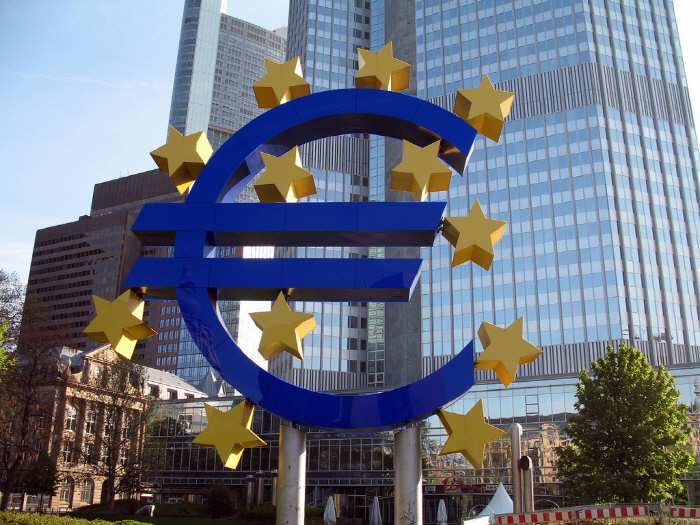
The European Central Bank (ECB) is unlikely to debate any changes to interest rates in the near term as long as the euro zone economy continues on its current trajectory, according to ECB Chief Economist Philip Lane. Speaking in an interview with Italian newspaper La Stampa, Lane emphasized that while the economic outlook remains broadly positive, external shocks—particularly from the United States—could disrupt financial stability and force a reassessment of monetary policy.
The ECB has kept interest rates unchanged since concluding a rapid rate cut cycle in June. Policymakers have repeatedly signaled there is no urgency to adjust rates again, citing stronger-than-expected economic growth and inflation that appears to have stabilized around the ECB’s 2% target for the coming years. Lane reinforced this view, stating that current interest rate levels provide a stable baseline for the foreseeable future.
However, Lane warned that risks remain, especially if U.S. monetary policy deviates from its established mandate. He pointed to concerns over political pressure on the Federal Reserve, particularly from U.S. President Donald Trump, to lower borrowing costs faster than warranted despite persistent inflation pressures. Such actions, Lane noted, could have global repercussions.
“If inflation in the United States failed to return to target or if U.S. financial conditions triggered a rise in term premiums, that would be economically challenging for Europe,” Lane said. He also cautioned that any reassessment of the dollar’s global role could represent a financial shock to the euro.
The euro strengthened significantly against the U.S. dollar last year as investors reduced exposure to dollar-denominated assets amid policy uncertainty. While this boosted the euro’s value, it also hurt European export competitiveness at a time when cheaper Chinese goods are already pressuring manufacturers.
Despite these challenges, Lane expressed confidence in the Federal Reserve’s independence and policy framework. He reiterated that, under current conditions, there is no immediate debate over interest rate hikes or cuts. Markets now expect the ECB’s deposit rate to remain steady at 2% throughout the year, following brief speculation of a possible hike in late 2026.
Looking ahead, Lane said the euro zone could see a cyclical recovery over the next two years, though long-term growth prospects remain constrained without deeper structural reforms.







