


 US Stocks Slip as Treasury Yields Ease, AI Trade Rebounds
  RBA Hikes Interest Rate to 4.60% as Inflation Risks Rise
  Japan Factory Output Unexpectedly Falls 1.7% in August
  RBA Set for September Rate Hike as Inflation Stays High
  Asian Stocks Rise as Bond Yields Ease Ahead of U.S. Inflation Data
  U.S. Stock Futures Steady as AI, Rate Concerns Weigh
  US Alcohol Ban Exposes Canada’s Internal Trade Barriers
  Asian Currencies Mixed as Yen Weakens, RBA Hike Looms
  Gold Rebounds as Oil Falls and Treasury Rout Eases
  Gold Holds Near Seven-Week Low as Fed Rate Hike Bets Rise
  Gold Plunges 4% as Treasury Yields Surge and Fed Rate Hike Bets Rise
  Oil Prices Slide as Middle East Flows Recover
  South Korea Exports Set for 16th Monthly Gain on AI Chip Demand
  Trump Eyes $54 Billion South Korean Investment in Alaska LNG
  Fed’s Williams Signals One More Rate Hike Before Year-End
  Oil Prices Steady as Middle East Crude Flows Recover


 Add as a preferred source on Google
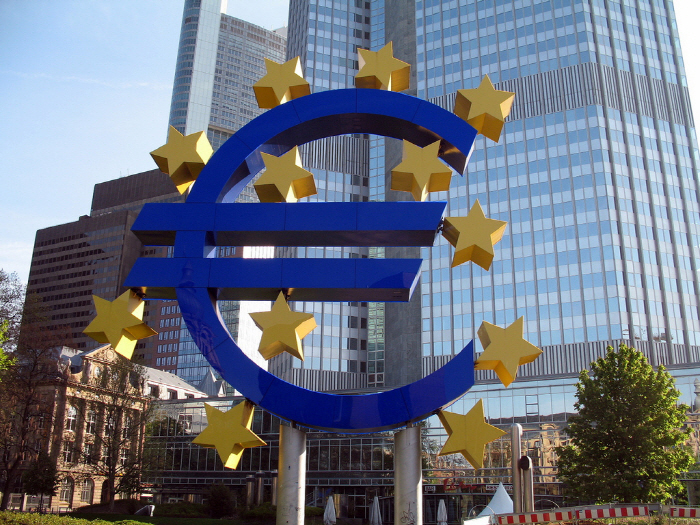
European Central Bank (ECB) policymaker Isabel Schnabel warned on Saturday that U.S. tariffs under a potential Trump administration could trigger renewed inflationary pressures, despite recent progress in lowering inflation across the eurozone.
Speaking at a conference in Dubrovnik, Schnabel highlighted that eurozone inflation had recently dipped below the ECB’s 2% target, driven largely by lower energy prices. She acknowledged that core inflation components are also easing, calling it "very, very good news." The ECB cut interest rates last week for the eighth time in a year but signaled a pause in July to assess economic conditions.
Croatian central bank governor Boris Vujcic echoed optimism, saying the ECB is “nearly done” with rate cuts if inflation stabilizes at target. However, others like Portugal’s Mario Centeno expressed concern that inflation could fall too low, with ECB projections showing 1.6% for 2026.
Schnabel warned that new external shocks, particularly U.S. trade policies, could reignite inflation. She cited research indicating a 1% rise in global producer prices could increase domestic prices by 0.2% across major economies. Tariffs, even without retaliation, would be inflationary, she said, and retaliatory actions could worsen the effect.
She also pointed to China’s rare earth export restrictions, which have disrupted auto manufacturing, as a potential source of supply-side inflation. While Chinese goods diverted from the U.S. had minimal impact on EU markets, Schnabel emphasized that if the effect were larger, EU policy responses would follow.
Schnabel concluded that global trade tensions will act as a “global shock,” affecting both supply and demand, and limiting divergence between ECB and U.S. Federal Reserve policies. Bank of England’s Megan Greene, however, suggested trade fragmentation could ease UK inflation, allowing policy divergence.







