


 European Stocks Diverge as French Fiscal Crisis Hits CAC 40
  Australia Consumer Confidence Plunges as RBA Rate Hike Hits Households
  RBI Rate Hike Bets Surge as Inflation Rises
  Samsung, SK Hynix Shares Fall Ahead of Q3 Earnings
  Ukraine Faces $56 Billion Budget Gap as War Costs Soar
  BofA Raises Coinbase Stock Target to $203 on Stablecoin Growth
  NEAR Price Rally Cools as $4.60 Support Takes Focus
  Clearpool Expands to XRP Ledger, Plans CLEAR Token Migration
  World Bank Raises South Asia Growth Forecast to 6.9%
  Asian Stocks Rise as Nasdaq Record Offsets Bond Yield Pressure
  Asian Currencies Slide as Dollar Rises, Euro Hits 17-Month Low
  OPEC+ Keeps November Oil Output Targets Steady
  Kalshi Withdraws PEPE Perpetual Futures Filing
  Chainalysis AI Traces $387M Bitget Hack in Under 10 Minutes


 Add as a preferred source on Google
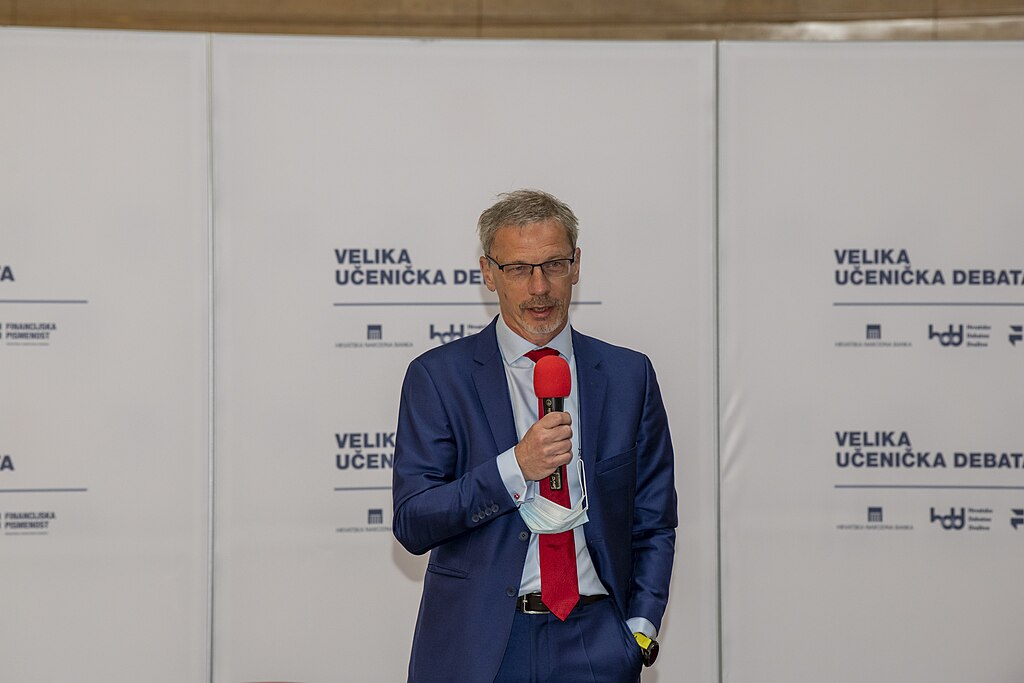
European Central Bank (ECB) policymaker Boris Vujcic cautioned against overreacting to eurozone inflation briefly dipping below the 2% target, noting it is likely to rebound. Speaking after the ECB’s recent interest rate cut—the eighth in a year—Vujcic emphasized that slight deviations from the inflation goal are normal and shouldn’t trigger drastic policy shifts.
In May, eurozone inflation stood at 1.9%, with the ECB projecting 1.6% for next year. Vujcic, also the governor of Croatia’s central bank, said such fluctuations do not warrant “precision surgery,” as small changes are expected in a healthy economic environment. He predicted inflation would rise again due to stabilizing energy prices and an improving economy, while the euro’s strength is unlikely to have significant long-term effects unless sustained.
While some ECB officials, including Portugal’s Mario Centeno, worry about overly low inflation, Vujcic considers the outlook “pretty balanced.” However, he acknowledged risks tied to global trade tensions, particularly with the U.S. under President Donald Trump.
Reflecting on past guidance from former U.S. Federal Reserve Chair Alan Greenspan, Vujcic noted that low inflation is less dangerous than high inflation if it’s driven by productivity gains. He questioned the need to push inflation up when there is no underlying economic distress.
As the ECB reviews its monetary policy framework, Vujcic called for more cautious use of quantitative easing (QE). The ECB has injected about €7 trillion into markets since the 2008 crisis, prompting criticism for inflating asset bubbles and exposing the central bank to losses. Vujcic argued that QE should be reserved for severe crises, as its long-term efficiency in raising inflation diminishes over time.
These reflections may not appear in the ECB’s upcoming strategy paper due this summer.







