The European Commission greenlights a joint venture between Germany's Messer SE and Toyota Tsusho Europe SA for hydrogen-based mobility solutions. Concurrently, a novel biogas-to-hydrogen project in Thailand, involving Toyota and Charoen Pokphand Group, sets the stage for innovative sustainability.
This joint venture aims to provide fleet operators with a comprehensive range of services. These services include offering hydrogen mobility vehicles, maintenance and fleet management assistance, on-site production, and the supply of green hydrogen throughout Europe.
After careful examination, the Commission determined that this proposed transaction would not pose any competition concerns, as it will have a limited impact on the market.
Messer is known for its production of industrial, specialty, and medical gases, as well as gas mixtures. On the other hand, Toyota Tsusho Corp is a global trading company operating across various sectors, including metals, parts and logistics, automotive, machinery, energy, chemicals, and electronics.
This partnership will pave the way for innovative and sustainable mobility solutions in Europe by leveraging the expertise and resources of both companies.
In Thailand, a joint venture between Charoen Pokphand Group and Toyota Motor Corp is set to revolutionize hydrogen production. Starting this year, the partnership plans to utilize biogas derived from local chicken manure and food waste at CP Group's farms to generate hydrogen. Toyota has enlisted the expertise of the engineering firm Mitsubishi Kakoki Kaisha to develop the necessary equipment for this groundbreaking initiative. In November, the state-of-the-art equipment will be installed at Toyota's Asia-Pacific headquarters in Samut Prakan province, south of Bangkok.
This pioneering facility, capable of producing 1,000 liters of hydrogen per hour, marks Toyota's first venture in utilizing biogas for hydrogen production. The automaker, along with its trading arm Toyota Tsusho, will also oversee the creation of a comprehensive system to compress, store, and transport the biogas and hydrogen. Although the exact investment cost remains undisclosed, the project holds immense promise for sustainable energy solutions.
Toyota and CP Group, Thailand's largest conglomerate renowned for its involvement in retailing, distribution, and agriculture, forged the partnership in December. The primary objective is to employ hydrogen to power CP Group's delivery trucks, thereby significantly reducing carbon emissions. As one of the world's leading animal feed and livestock producers, CP Group has long been dedicated to environmental stewardship.
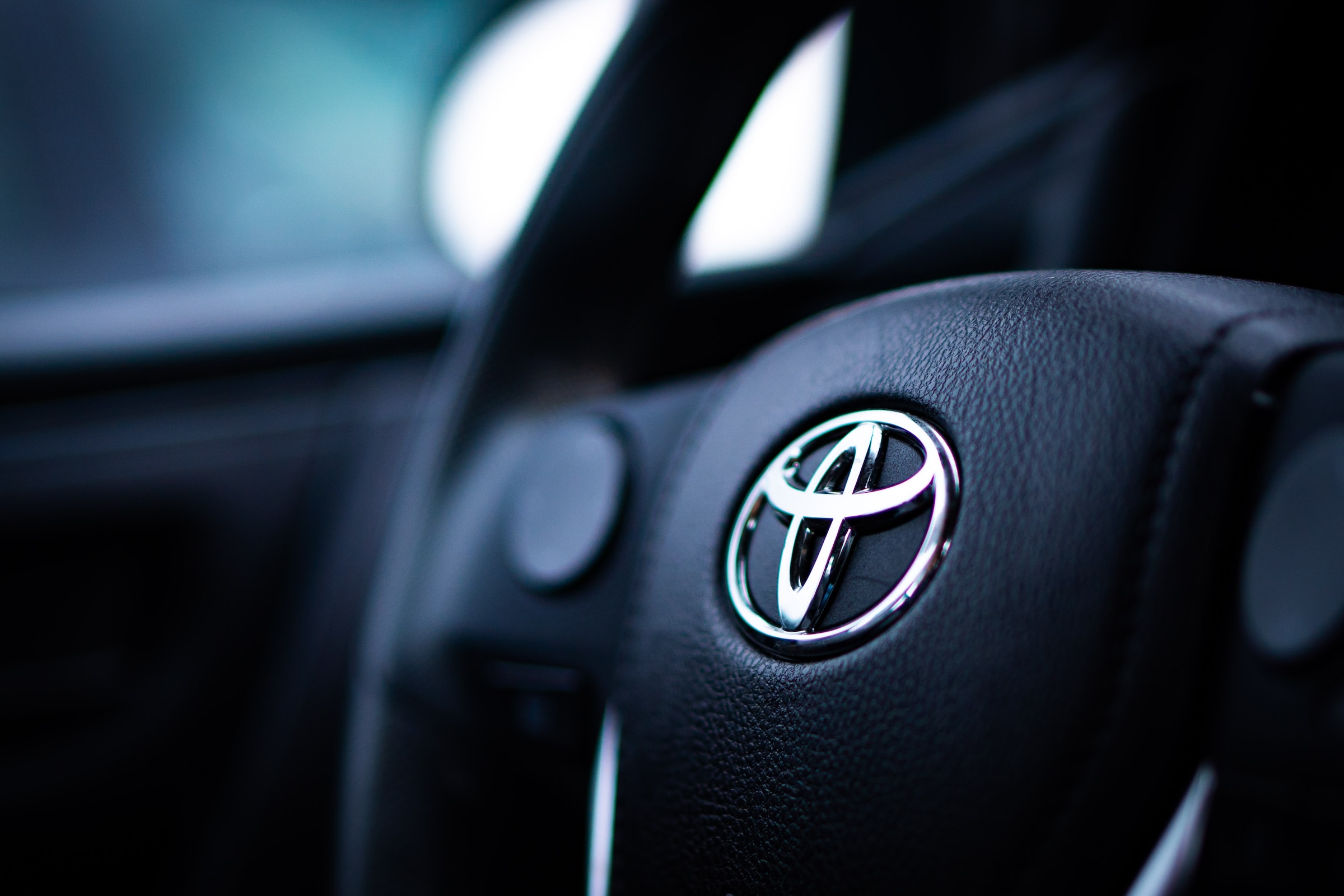
Photo: Christina Telep/Unsplash