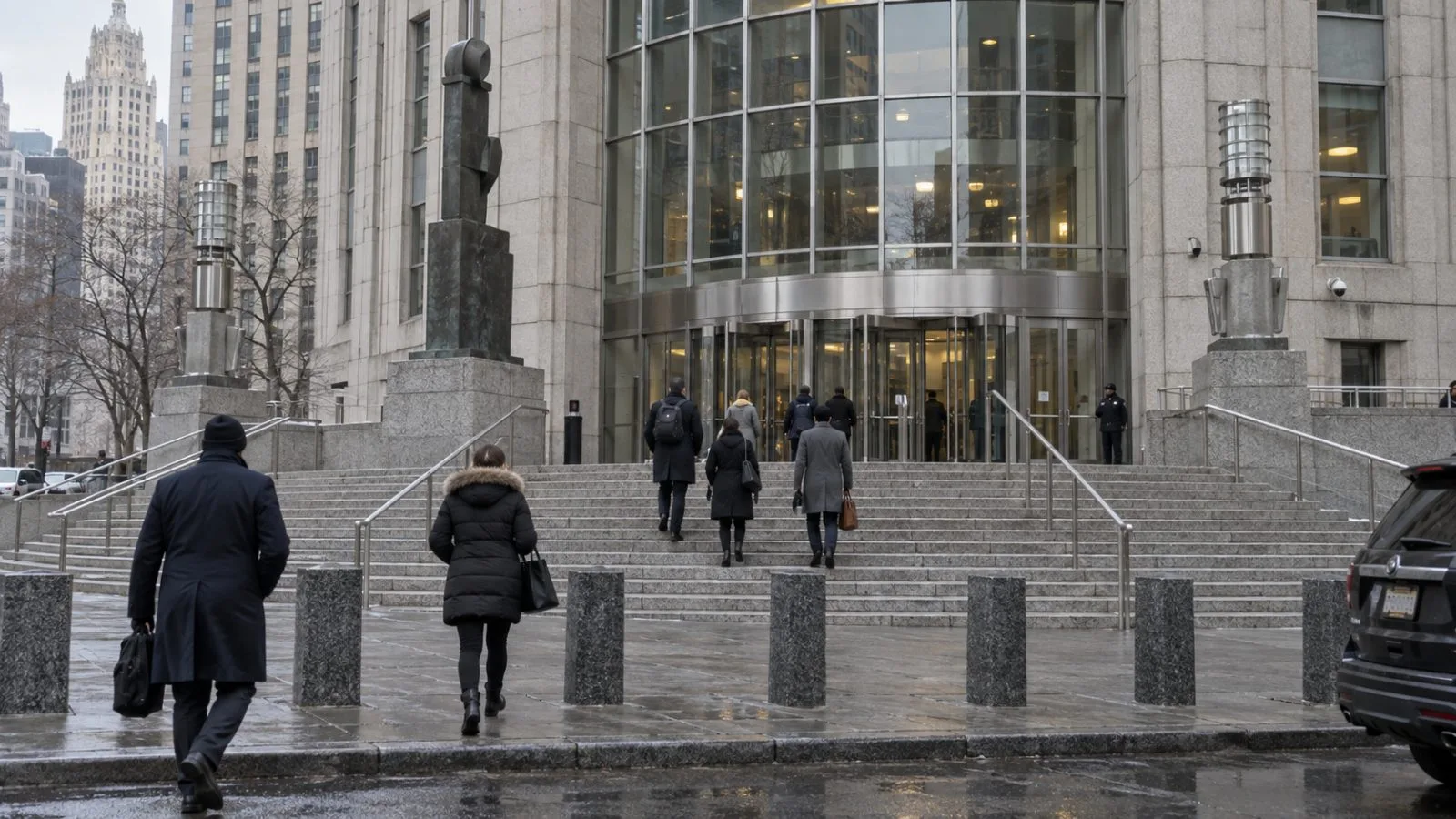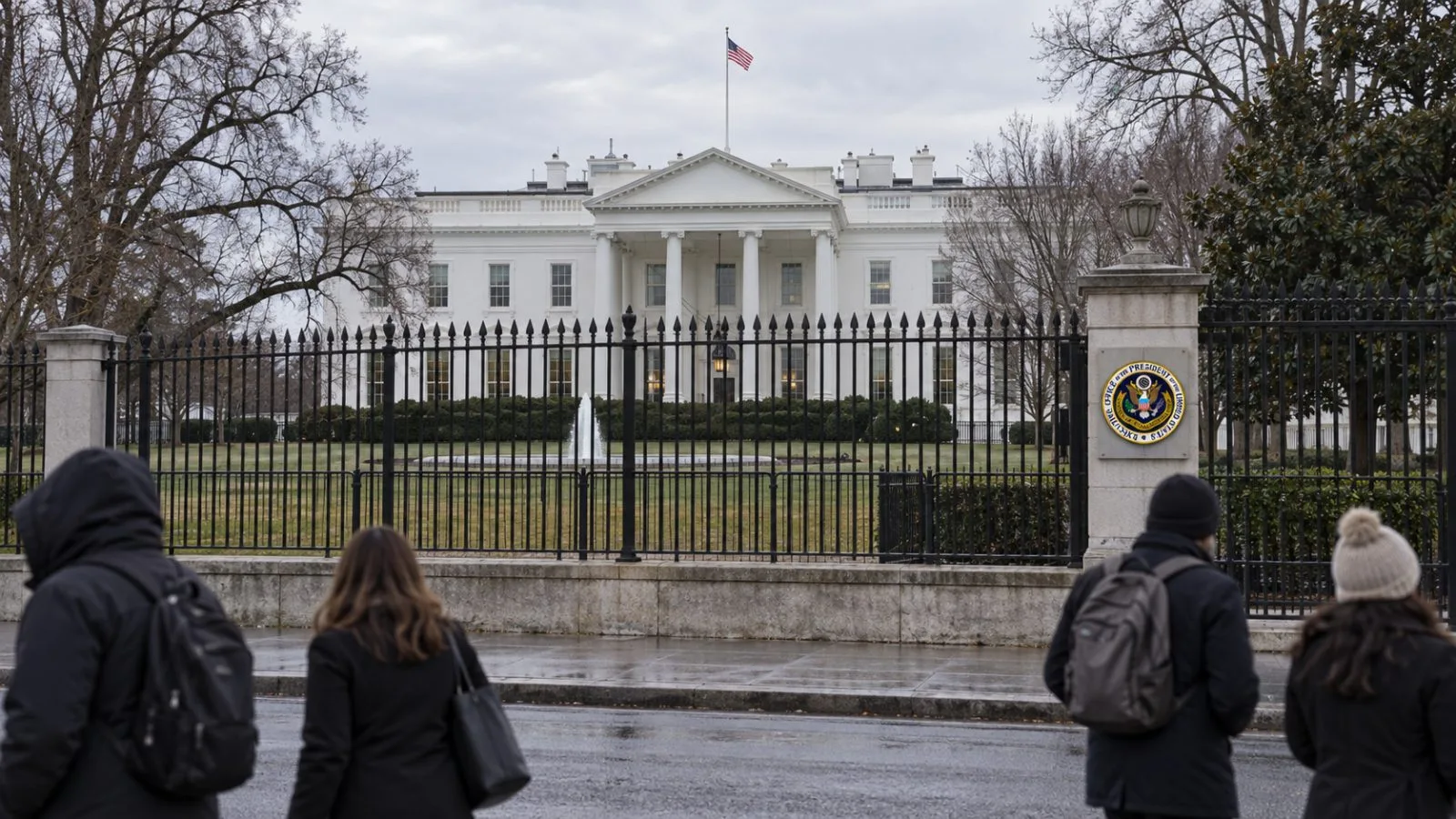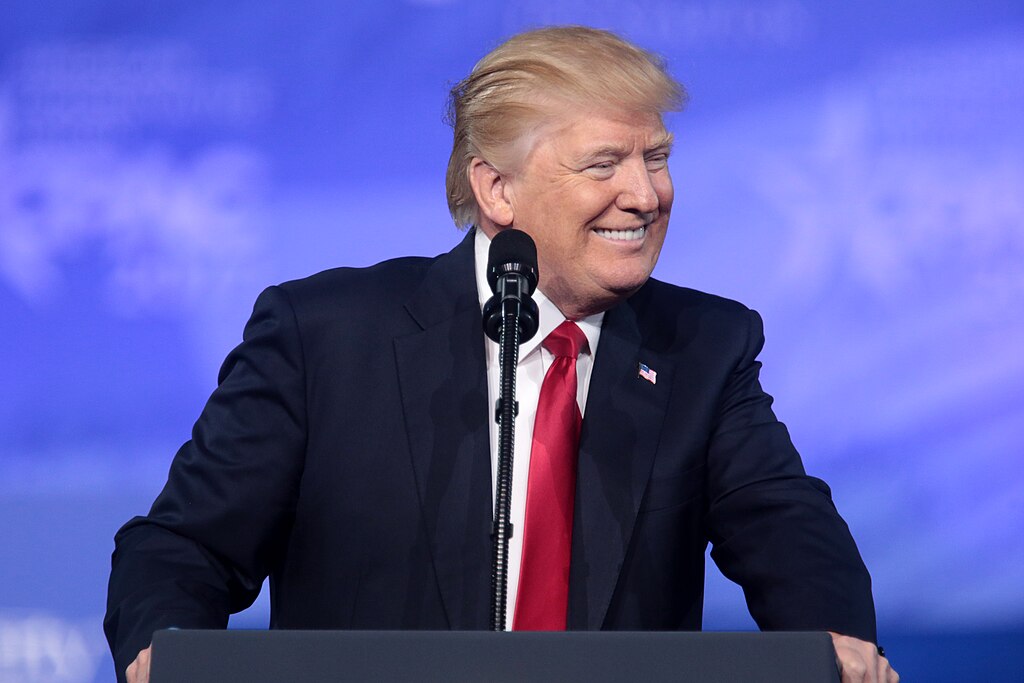
Paul Weiss, a prominent Wall Street law firm, is under fire after reaching a controversial agreement with President Donald Trump’s administration to avoid penalties tied to an executive order targeting its diversity, equity, and inclusion (DEI) policies.
The deal, reportedly involving $40 million in pro bono legal work for the White House and a retreat from internal DEI initiatives, drew fierce criticism from legal experts and former associates. Marc Elias, a leading Democratic lawyer, condemned the agreement as a “stain on the legal profession,” while others called it “shameful” and a “capitulation.”
The White House suspended Paul Weiss lawyers' security clearances and access to government officials, citing the firm's ties to a prosecutor who had investigated Trump and its DEI practices. Chairman Brad Karp defended the firm’s move in an internal email, calling it consistent with Paul Weiss’s commitment to political neutrality and its goal of focusing on client work after the executive order was rescinded.
However, the version of the agreement shared by Trump included language that the firm “will not adopt, use, or pursue any DEI policies.” Neither the White House nor Paul Weiss immediately clarified the discrepancy.
Insiders said the firm considered suing the administration but feared client losses tied to federal work. The fallout has already affected business, with one client initially dropping the firm due to the order—though now reconsidering after the deal.
Legal analysts warn that Trump’s actions against Paul Weiss and other firms like Perkins Coie represent an unprecedented political assault on the legal industry. Critics say the firm’s retreat may damage its reputation among future recruits and clients who value workplace diversity, with some calling it a major step backward at a critical moment for the profession.