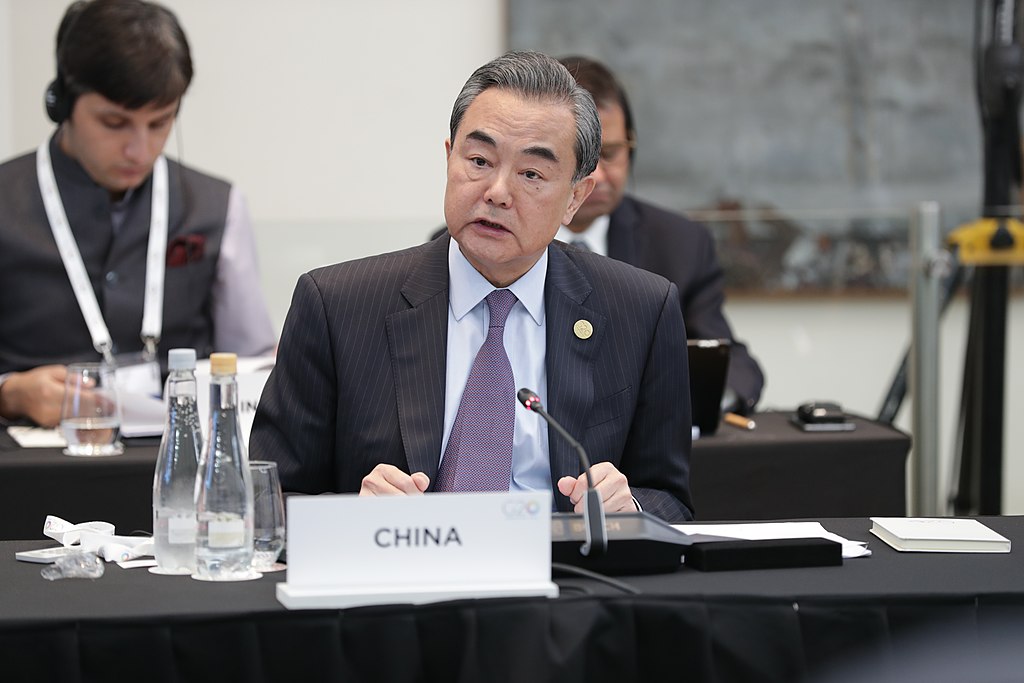
Top diplomats from Japan, China, and South Korea met in Tokyo on Saturday, aiming to strengthen cooperation on regional security and economic challenges amid rising global tensions. The foreign ministers' meeting—Japan’s first with its East Asian neighbors since 2023—highlighted efforts to improve trilateral ties and prepare for a potential summit.
Japanese Foreign Minister Takeshi Iwaya opened the talks by stressing the importance of unity. “Given the increasingly severe international situation, we may truly be at a turning point in history,” Iwaya said. He emphasized the need to overcome division through dialogue and collaboration.
The ministers are expected to address a wide range of issues, including North Korea’s nuclear weapons, trade concerns, and regional stability. South Korean Foreign Minister Cho Tae-yul underscored the urgency of denuclearization talks, noting, “Peace and security on the Korean Peninsula are essential for East Asia and global stability.”
Chinese Foreign Minister Wang Yi called for deeper cooperation and free trade, highlighting the 80th anniversary of the end of World War II as a moment for reflection and progress. “We should reaffirm our shared understanding of facing history honestly and looking toward the future,” Wang said.
Tokyo and Seoul, both key U.S. allies, are navigating a delicate balance as they host American troops while managing complex ties with China—seen as both a vital trade partner and a growing geopolitical challenge.
Separate bilateral talks are also scheduled, including the first high-level economic dialogue between Japan and China in six years. A key topic will be China’s ban on Japanese seafood imports following the 2023 release of wastewater from the Fukushima nuclear plant.
The renewed diplomatic efforts signal a shared interest in easing regional tensions and promoting long-term cooperation in East Asia.