Venezuela has formally requested an urgent meeting of the United Nations Security Council to address what it described as “ongoing U.S. aggression” against the country, according to a letter seen by Reuters. The request comes amid escalating tensions between Washington and Caracas following new measures announced by U.S. President Donald Trump that directly target Venezuela’s vital oil industry.
A United Nations diplomat familiar with the matter said the Security Council, which consists of 15 member states, is likely to convene next Tuesday to discuss the issue. The proposed meeting would give Venezuela an international platform to criticize recent U.S. actions and seek diplomatic support from other nations.
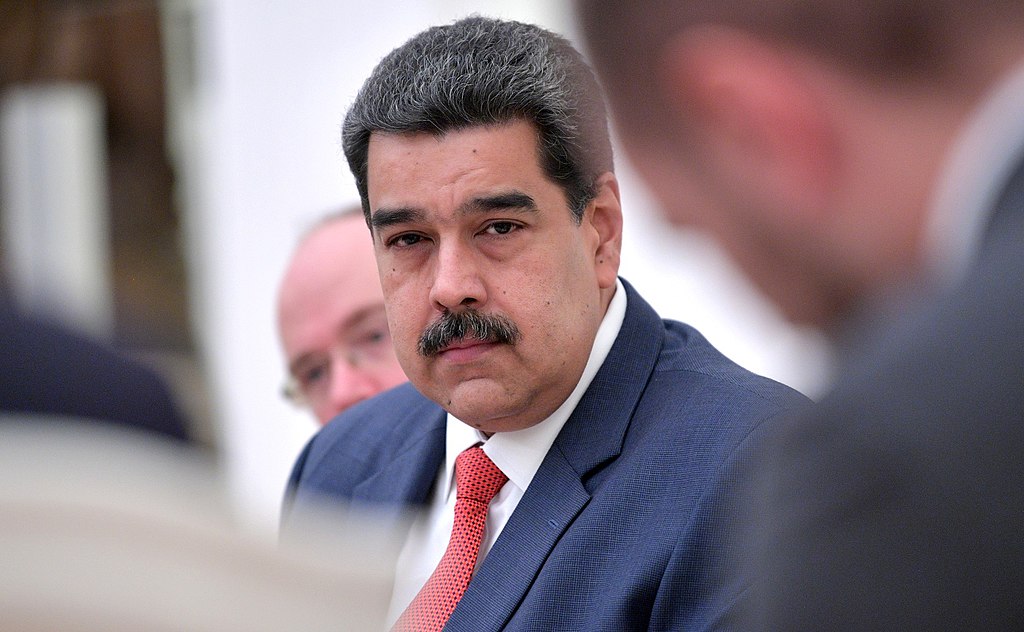
On Tuesday, President Trump ordered what his administration referred to as a “blockade” of all oil tankers entering or leaving Venezuela that are linked to sanctioned entities. The move represents Washington’s latest effort to intensify economic and political pressure on the government of President Nicolas Maduro. Venezuela’s oil exports are its primary source of revenue, and restrictions on tanker movements could further strain the country’s already fragile economy.
The U.S. government has long accused Maduro’s administration of undermining democracy and violating human rights, and it has used sanctions as a central tool in its Venezuela policy. Caracas, however, argues that such measures amount to economic warfare and collective punishment of its population. Venezuelan officials have repeatedly denounced U.S. sanctions as illegal under international law and harmful to civilians.
By appealing to the UN Security Council, Venezuela aims to frame the tanker blockade as a threat to its sovereignty and to global energy stability. The upcoming discussion is expected to draw sharp divisions among council members, reflecting broader geopolitical disagreements over how to address the crisis in Venezuela. As diplomatic tensions rise, the outcome of the meeting could influence both international perceptions and future actions surrounding U.S.-Venezuela relations.