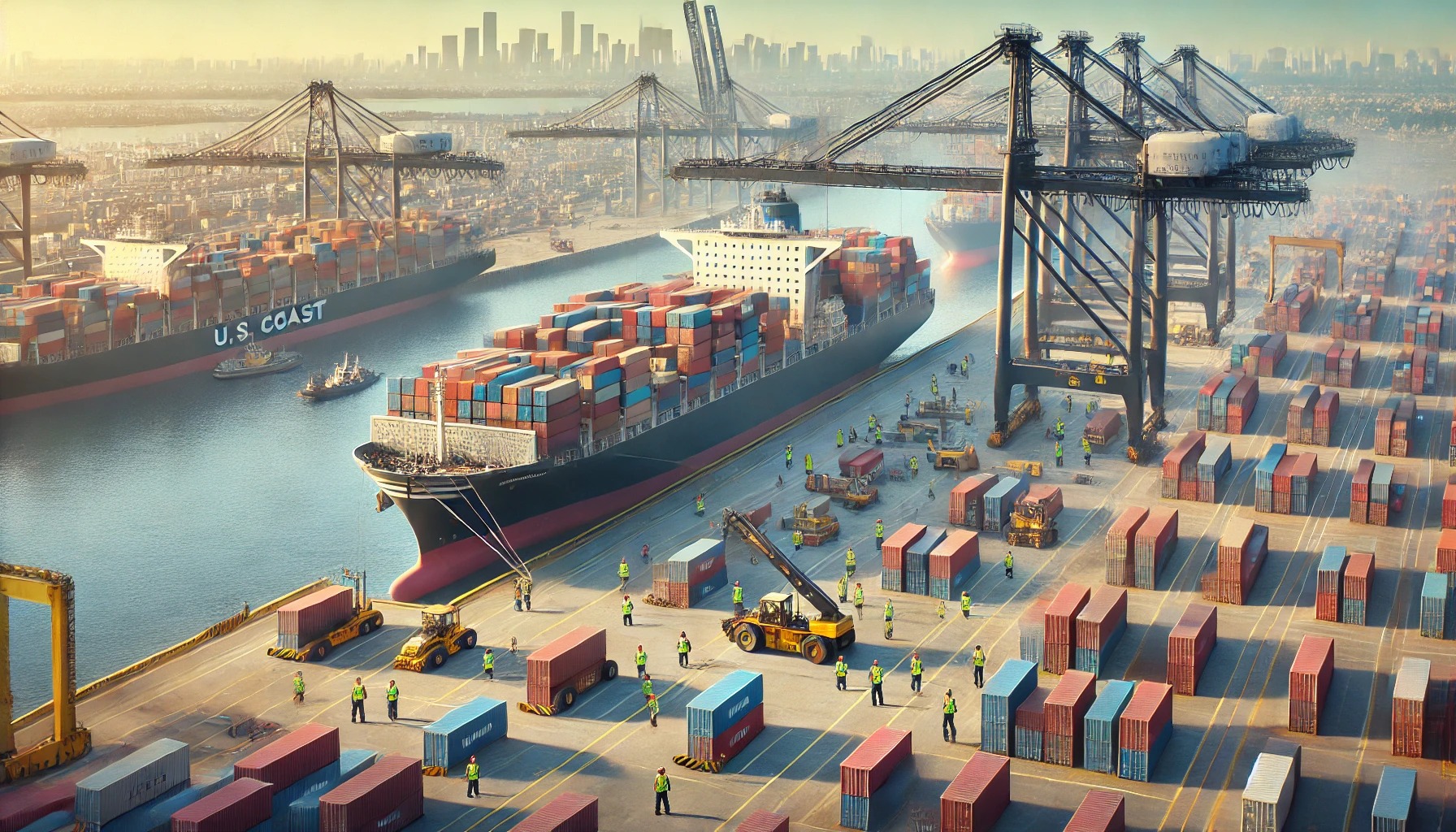
The International Longshoremen’s Association (ILA) and the United States Maritime Alliance (USMX) have successfully extended their master contract through September 30, 2024. This extension maintains labor peace and operational stability across 36 ports along the U.S. East Coast and the Gulf of Mexico.
Contract Extension Details
Ratified in 2019, the contract extension includes wage increases, enhanced benefits, and provisions addressing automation concerns. The agreement reflects a collaborative effort to support the livelihoods of dockworkers while ensuring the competitiveness of U.S. ports in the global market.
Positive Impact on Supply Chains
The extended contract is expected to bolster confidence among businesses relying on these ports for importing and exporting goods. With global supply chains recovering from recent disruptions, the continuity provided by this agreement is seen as a critical factor in sustaining economic growth.
Statements from ILA and USMX
"Our members are committed to keeping the ports running efficiently," said Harold J. Daggett, President of the ILA. "This agreement ensures that our workforce is recognized and rewarded for their contributions."
USMX Chairman and CEO David F. Adam commented, "Reaching this extension reflects the strong partnership between the ILA and USMX. It’s a win for the industry and the nation’s economy."
Industry Reactions
Industry leaders and economists have lauded the contract extension. The National Retail Federation issued a statement praising the agreement: "This extension provides much-needed certainty for retailers and other businesses dependent on these key ports."
Future Outlook
Both the ILA and USMX have expressed commitment to ongoing dialogue to address future challenges, including technological advancements and evolving global trade dynamics. The partnership aims to enhance productivity while safeguarding jobs and working conditions.
Background
The ILA represents over 65,000 longshoremen on the Atlantic and Gulf coasts, while the USMX includes carriers, terminal operators, and port associations. Their master contract sets the standards for wages, benefits, and working conditions at ports that handle a significant portion of the nation’s ocean freight.