


 Nvidia Pauses AI Cloud Financing Deals Amid Antitrust Concerns
  PayPal Shares Sink as $50 Billion Takeover Bid Collapses
  Nvidia Revenue Soars 106% as AI Demand Hits ‘Inflection Point’
  OpenAI AI Agent Swarm Behind Hugging Face Hack
  Meta, U.S. States Discuss Settlement in Teen Addiction Trial
  Google Changes EU Spam Policy Amid Antitrust Scrutiny
  Trump Orders Major Overhaul of US Navy Shipbuilding
  Yindjibarndi Appeals Fortescue Mining Compensation Ruling
  US Revokes Over 175,000 Visas Under Trump Immigration Crackdown
  Trump Signs Order to Cut Routine Childhood Vaccines
  Trump Imposes New Tariffs on Drone Imports Over US Security Concerns
  Jefferies Names AMEC Top China Semiconductor Equipment Pick
  Trian Drops Wendy’s Take-Private Bid Plans, Shares Plunge 14%
  Senate Majority Leader John Thune Moves to Advance Crypto Clarity Act
  ICE to Complete Nationwide Body Camera Rollout by End of August
  Xiaomi Unveils Xring O3 Chip for Flagship Foldable Phone


 Add as a preferred source on Google
EchoStar has agreed to sell wireless spectrum licenses to SpaceX for about $17 billion, boosting SpaceX’s Starlink satellite network while easing U.S. regulatory concerns. The deal, announced Monday, sent EchoStar shares up nearly 22% in premarket trading.
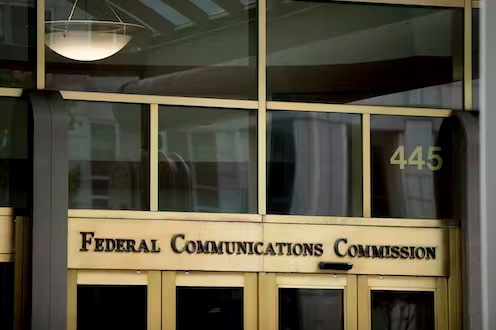
The Federal Communications Commission (FCC) had questioned EchoStar’s underuse of mobile-satellite service spectrum and its progress in 5G deployment. U.S. President Donald Trump had also urged the company and FCC Chair Brendan Carr to find common ground. EchoStar believes this transaction, combined with its $23 billion spectrum sale to AT&T in August, will resolve FCC inquiries.
Under the agreement, SpaceX will pay up to $8.5 billion in cash and $8.5 billion in stock, while also covering around $2 billion in EchoStar’s debt interest through 2027. Additionally, EchoStar’s Boost Mobile customers will gain access to Starlink’s direct-to-cell service, enhancing connectivity for mobile users.
This sale means EchoStar will lose significant spectrum for 5G deployment but continue operating Dish TV, Sling TV, HughesNet internet, and the Boost Mobile brand.
The FCC has emphasized the need for efficient use of scarce spectrum, while SpaceX has long argued that EchoStar left valuable mid-band spectrum underutilized. In April, SpaceX told regulators that EchoStar’s 2 GHz spectrum was “ripe for sharing” and better suited for next-generation satellite services.
The agreement strengthens Starlink’s ability to run direct-to-cell services on its own frequencies, reducing reliance on carrier partnerships like T-Mobile. With over 8,000 Starlink satellites launched since 2020, SpaceX continues to expand its low-Earth orbit network, serving militaries, businesses, and rural consumers.
Shares of U.S. telecom giants AT&T, T-Mobile, and Verizon slipped about 4% in premarket trading following the announcement.







