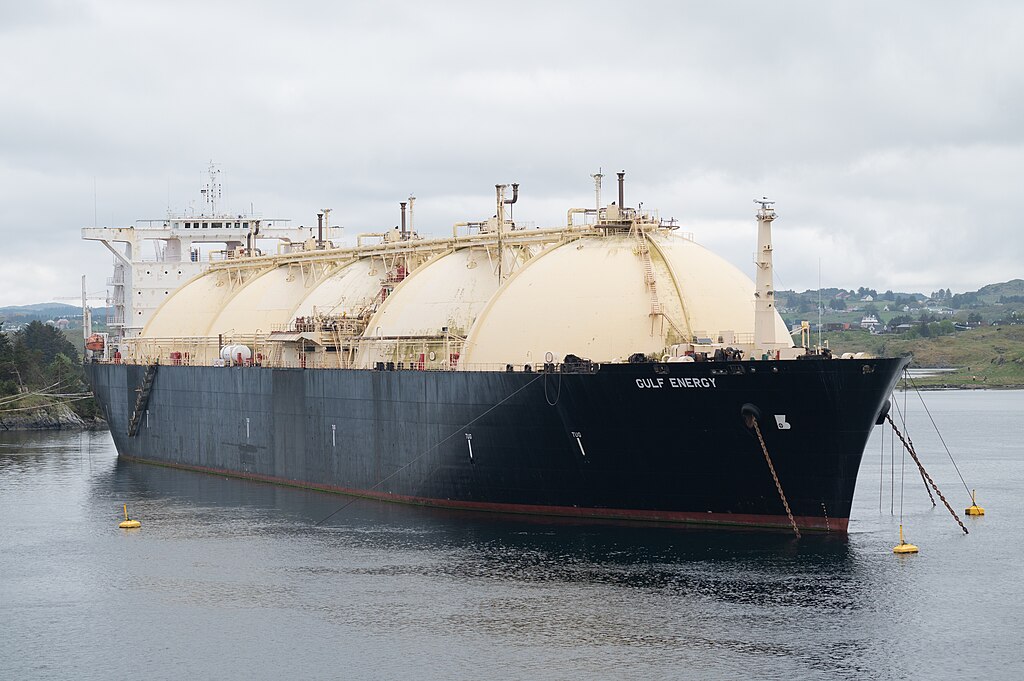
Egypt is in urgent talks with global energy firms and trading houses to purchase 40 to 60 cargoes of liquefied natural gas (LNG) to avoid blackouts during the summer peak demand. The deal, estimated at up to $3 billion, comes as domestic gas production hits a nine-year low and the country struggles with a worsening currency and cost-of-living crisis.
President Abdel Fattah al-Sisi has directed immediate measures to secure electricity supply. An industry insider revealed that Egypt is prioritizing LNG due to more flexible payment terms, though it may also import up to 1 million tons of fuel oil if LNG prices rise.
Egypt, which returned to being a net gas importer last year, is negotiating with Qatar, Algeria, Saudi Aramco, and leading trading houses. So far in 2024, it has imported 1.84 million tons of LNG—about 75% of its projected annual total.
The country’s energy crunch has been intensified by reduced gas imports from Israel’s Leviathan field due to maintenance. This has forced several fertilizer factories to halt or cut operations, threatening Egypt’s key export sector. Israeli gas accounts for 40–60% of Egypt’s imported supply and 15–20% of national consumption.
Adding to the pressure, Israel is seeking a 25% price hike for its exported gas. Currently, Israeli gas is priced at around $6/mmBtu, linked to Brent crude, while global LNG benchmarks such as JKM and TTF are trading near $14/mmBtu. Despite this, Israel’s energy ministry clarified that pricing remains a commercial matter between companies, not a state decision.
With rising demand and limited supply, Egypt may require as many as 150 LNG cargoes in the coming years, further straining its finances and energy security.