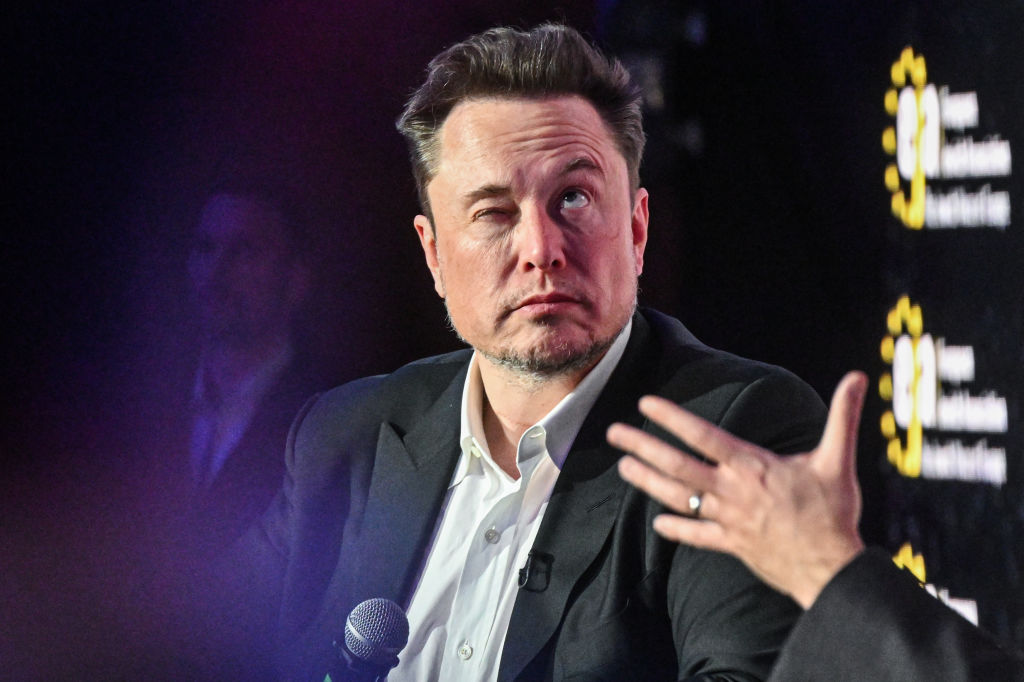
Tech mogul Elon Musk has stirred debate by proposing an annual fee for companies employing H-1B visa holders. Musk argues that hiring from overseas should come with higher costs to incentivize domestic employment and reduce reliance on foreign talent. His statements have reignited discussions about the controversial visa program, which allows U.S. companies to employ foreign workers in specialized fields such as technology, engineering, and medicine.
Musk’s comments, shared on his social media platform X (formerly Twitter), emphasized that it should be “materially more expensive” for firms to hire international employees than their domestic counterparts. While the Tesla and SpaceX CEO did not provide specific figures, he suggested that the fee would discourage overuse of the program, ensuring priority for U.S. workers.
The H-1B program, often criticized for being misused to undercut American wages, has become a focal point of immigration reform debates. Proponents, however, argue that it fills critical skill gaps in industries where domestic talent is insufficient.
Potential Impacts on U.S. Companies and Workers
Musk’s proposal could have sweeping implications for businesses heavily reliant on H-1B talent, particularly in Silicon Valley, where companies like Google and Meta employ thousands of international workers. Critics of the plan warn that adding significant costs could stifle innovation and competitiveness, especially in tech sectors where talent shortages are common.
On the other hand, supporters believe such a policy could boost investment in U.S. education and training programs, ensuring that American workers are equipped to meet industry demands. “If implemented, this fee could push companies to invest in local talent pipelines,” said labor economist Sarah Martin. “It’s a move that could benefit both workers and the economy in the long term.”
Although Musk’s proposal has garnered attention, it remains to be seen whether lawmakers will adopt such measures in future immigration reforms.
Netizens React to Musk’s Suggestion
As expected, Musk’s remarks sparked heated reactions online, with users divided on the potential benefits and drawbacks of the proposed fee:
- @TechWorker2025: “Musk is right! American jobs should go to Americans first. H-1Bs have been overused for too long.”
- @GlobalTalentAdvocate: “This is unfair to skilled international workers who contribute so much to innovation. A bad move, Elon!”
- @CoderJoe88: “Companies rely on H-1Bs because U.S. schools aren’t producing enough STEM grads. Fix that first!”
- @FreeMarketNow: “Let the market decide. Government interference like this only creates more problems.”
- @InnovatorJane: “Invest in local talent, yes—but don’t punish global talent. The industry needs balance, not extremes.”
- @VisionaryMuskFan: “Elon always thinking ahead. Maybe this will finally push companies to train more Americans!”
Looking Ahead
While Musk’s comments are unlikely to translate directly into policy, they underscore the growing tension around immigration and workforce development in the U.S. With businesses and workers on edge about future reforms, the H-1B program will likely remain a hot-button issue for years to come.