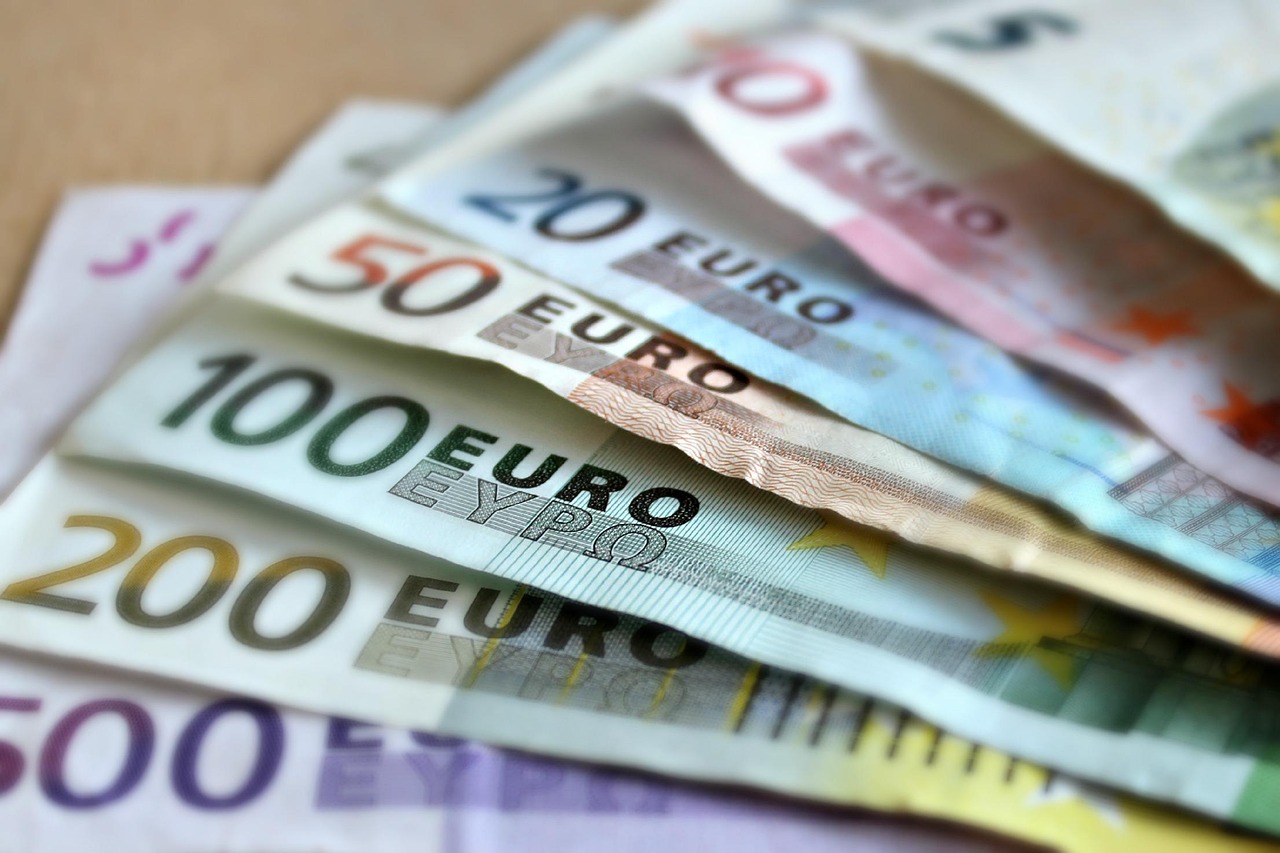
The euro surged to a nearly four-month high on Wednesday after Germany’s conservatives and Social Democrats agreed on a historic debt overhaul, boosting market confidence. The common currency hit $1.0637 before easing to $1.0616. Investors welcomed Germany’s plan for a €500 billion infrastructure fund and relaxed borrowing rules, fueling optimism about European growth.
Meanwhile, global markets remained volatile as U.S. President Donald Trump’s latest trade tariffs—25% on Mexican and Canadian imports and a doubled 20% duty on Chinese goods—triggered swift retaliation. Canada and China responded immediately, while Mexican President Claudia Sheinbaum vowed a response by Sunday. The Mexican peso recovered slightly to 20.5807 per dollar, while the Canadian dollar slipped 0.12% to C$1.4407.
The U.S. dollar struggled, hovering near a three-month low at 105.61 against a basket of currencies. Sterling stayed strong at $1.2795, and the yen held steady at 149.88 per dollar. Analysts noted that trade war fears and rising inflation concerns increased stagflation risks, weighing on the greenback.
In Asia, China kept its 5% growth target unchanged, pledging fiscal support while addressing deflation risks. However, the offshore yuan weakened to 7.2632 per dollar, as investors remained cautious. Australia’s economy posted its fastest growth in two years, but risk-off sentiment pushed the Aussie 0.2% lower to $0.6260. The New Zealand dollar also fell to $0.5655 after RBNZ Governor Adrian Orr’s surprise resignation.
With ongoing geopolitical tensions and shifting economic policies, currency markets remain on edge, with investors closely monitoring upcoming developments.