The Bible is the most important set of texts in Christianity, but there has been some debate on whether or not the places and events mentioned in the scriptures are historically accurate. One expert claims that this is the case, pointing out archaeological sources as proof of its accuracy.
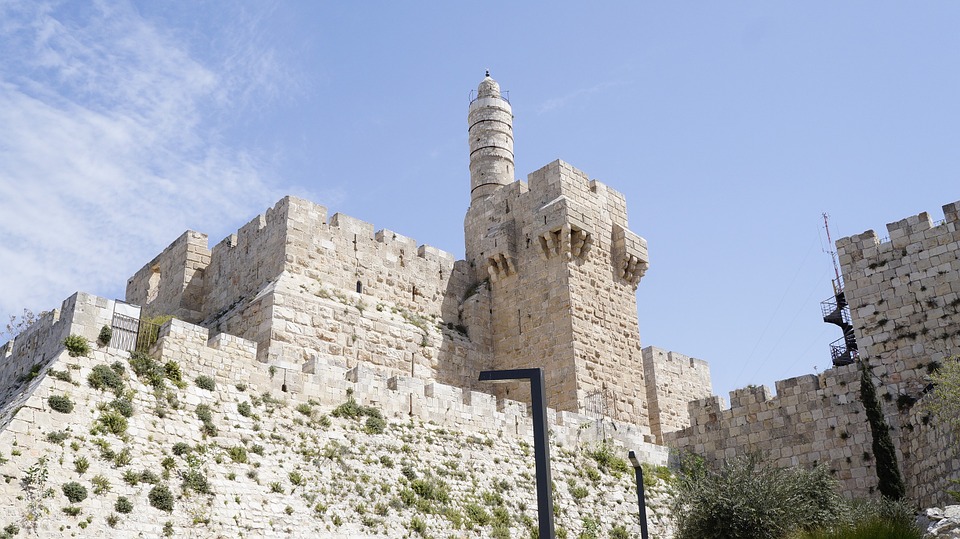
Speaking to Express, Professor Tom Meyer of Shasta Bible College and Graduate School said that the Bible is historically accurate, citing sources related to Jerusalem as proof that the places and events mentioned in the Bible are real. Professor Meyer cited that the first time Jerusalem was mentioned outside the Bible was written in the 18th and 19th centuries BC, on Egyptian execration or curse texts, around 400 years before Moses would write the Torah.
“This would have been around the same time Israel went into Egyptian exile. These execration texts were clay figures, akin to voodoo dolls, shaped in the form of a bound captive,” explained Professor Meyer. The figures would be inscribed with the cities the Pharaohs wanted to conquer with aid from their gods. Before the king would go into battle, magicians would use the figures in a ritual to ensure his victory. Professor Meyer also revealed that the Egyptian priests would also urinate and spit on these figures before destroying and burying them, symbolic of the fate of the Pharaoh’s enemies.
Professor Meyer noted that these clay figures were discovered by archaeologists in many places in Egypt, such as the necropolis near the Great Pyramid at Giza as well as the famed step pyramid in Saqqara.
In other related news, researchers have concluded that the slabs on the historic Stonehenge crossed over the Salisbury Plain, contrary to the belief that the slabs were transported through a raft from Wales to the plain. Experts have long believed that the stones used to construct Stonehenge were sourced locally and imported, and there has been some debate on how these stone slabs were transported to its current location, the key being one slab called the Altar stone, which was thought to have been collected on the way.
A new study revealed that the Altar stone most likely came from the far east, near modern-day Abergavenny, which suggests that the stones were brought by land.