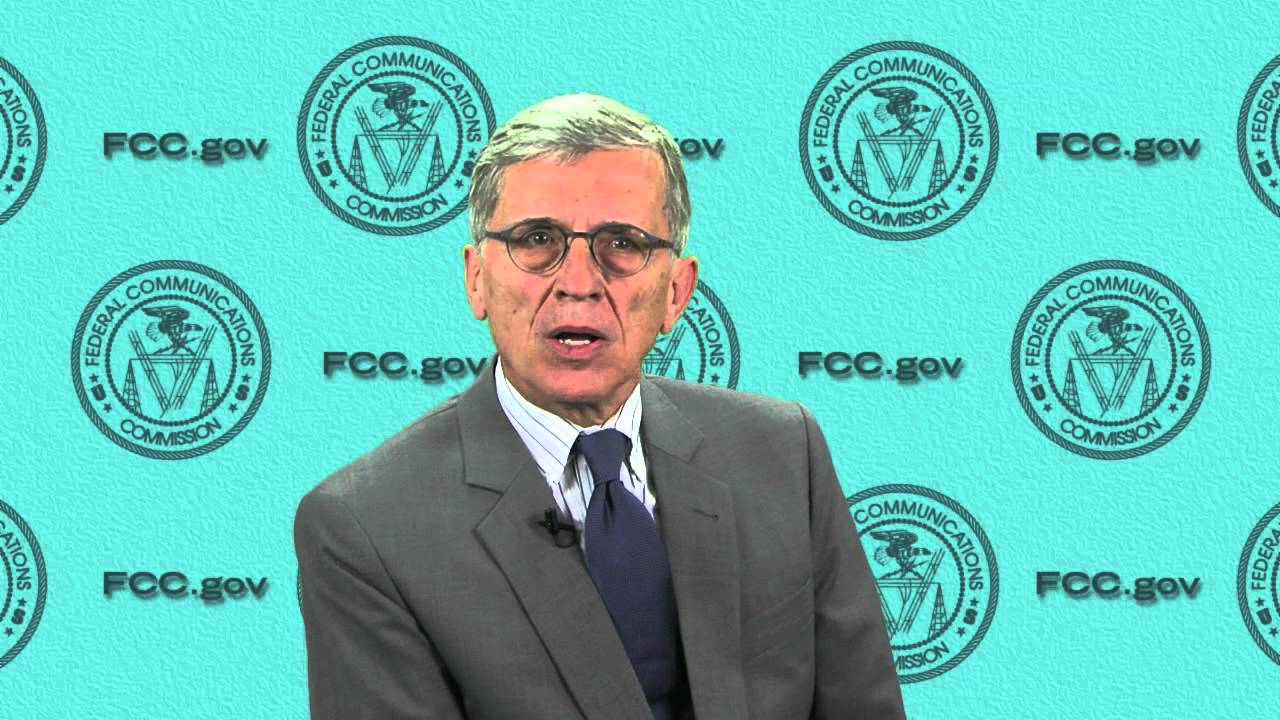
The Federal Communications Commission recently lost a court case wherein the main focus was the use of its authority to come between states and cities in their battle to expand municipal internet services. The cities in question were Chattanooga, Tennessee and Wilson, North Carolina, which are two cities that have their own broadband services but wanted to expand beyond their borders. The states had a problem with that and decided to quash the potential competition with major internet service providers.
Both Wilson and Chattanooga petitioned the FCC to help them in their bid to provide internet services to other areas, which the federal agency decided to do, Fortune reports. In response, Tennessee and North Carolina decided to file a lawsuit against the government branch, which they recently won.
Both states have laws in place which prohibit towns and municipalities from selling internet services to other towns and municipalities. The FCC claimed that it had the right to intervene and supersede said laws. The United States Court of Appeals for the Sixth Circuit decided otherwise.
This is a huge blow to the agency and to Tom Wheeler; largely because it sets a precedent which other states can take advantage of. Currently, there are 19 other states that have similar laws in place, and this court ruling essentially told those states that the FCC had no authority over them in overturning laws with regards to increasing competition among ISPs.
According to the court, the FCC needed a clear go-signal from Congress in order to actually intervene on behalf of the two municipalities, The Verge notes. The Telecommunications Act of 1996 gives the government agency significant power that allows them to overrule vague laws pertaining to the field of communications, but changing state laws would be going beyond what its mandate allows, according to the court.