


 Judge Blocks Trump Rule Limiting Foreign Student Visas
  Trump Grants Clemency to Jay-Z Associate Emory Jones
  Saudi Arabia Shuts East-West Oil Pipeline After Drone Attack
  US Resumes Immigrant Visa Processing for Hungary, Poland
  Rodrigo Duterte Makes First Public Appearance at ICC in 18 Months
  France Targets Shein, Temu With Fast-Fashion Fees
  U.S. Issues Cuba Health Alert as Illnesses Rise
  US-China Experts Push AI Nuclear Safeguards to Prevent Military Escalation
  Pentagon Restarts Testosterone Testing for US Troops
  Bessent Presses Japan on Fiscal Policy as Yen Struggles
  Trump Says US Army Base in Poland Talks Make Progress
  Trump Administration Removes Confederate Memorial Criticism From Arlington Website
  U.S. Probes Apex Logistics Over Nvidia AI Chip Shipments to China
  Yemen Fighting Threatens Red Sea Oil Routes
  ICE Agent Arrested in Minneapolis Over Venezuelan Man Shooting
  Vietnam, U.S. Firms Plan 29 Deals Across Energy, Tech and Aviation
  Houthis Seize Bab el-Mandeb as Military Power Grows


 Add as a preferred source on Google
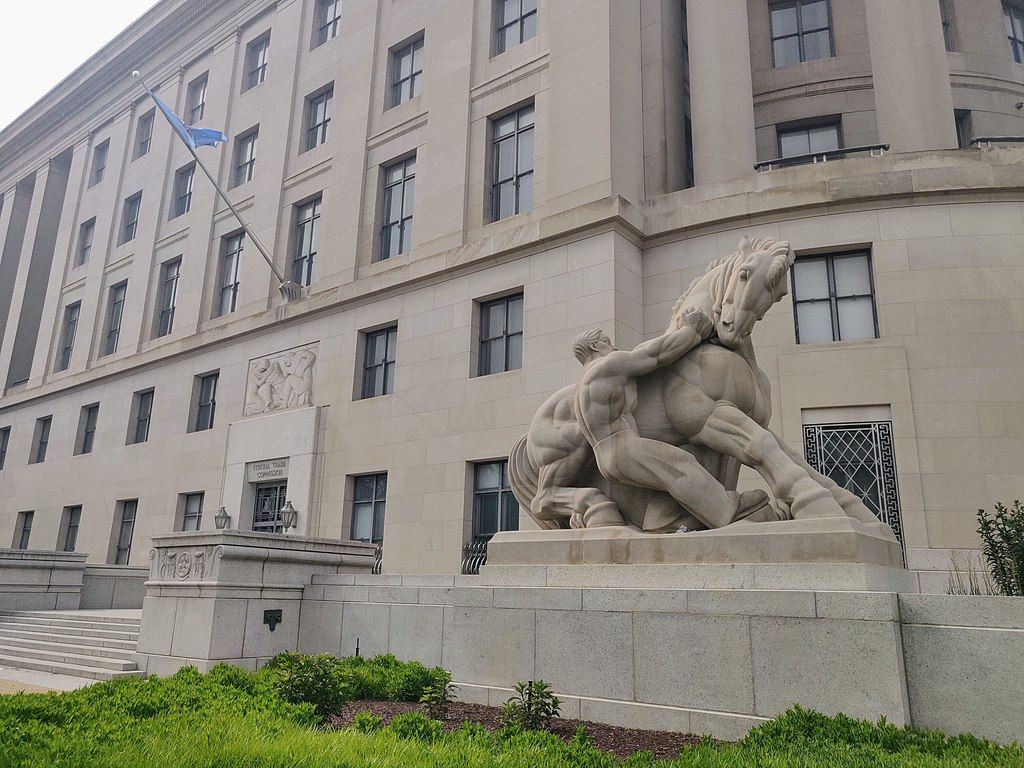
The U.S. Federal Trade Commission (FTC) announced it will suspend key consumer protection services and merger reviews during the ongoing government shutdown. The agency, responsible for enforcing antitrust and consumer protection laws, said it will not process fraud complaints, block unwanted spam calls, or maintain its national Do Not Call Registry while operations remain limited.
This shutdown, which has forced hundreds of thousands of federal employees into furlough, mirrors earlier shutdown strategies under both the Trump and Biden administrations. However, under President Joe Biden, the FTC went further by completely stopping early merger clearance approvals, while under the current plan, businesses may still file transactions but will face delays due to reduced resources.
The FTC employs approximately 1,180 full-time staff, but only about 400 are expected to continue working without pay under exceptional circumstances, such as meeting urgent court deadlines. This reduction in workforce is likely to slow antitrust investigations and extend review times for mergers and acquisitions. Legal experts warn that this could disrupt Wall Street dealmaking, as businesses rely on timely clearance to proceed with transactions.
Aleksandr Livshits, an antitrust partner at Fried Frank, highlighted the uncertainty this shutdown brings for corporate mergers, noting that “it’s more helpful to have a fully functioning government, there’s more predictability.”
While the FTC’s core mission of protecting consumers and ensuring fair competition remains critical, the shutdown restricts its ability to deliver essential services. This lack of operational capacity means consumers have fewer protections against fraud and deceptive practices, while businesses face uncertainty in regulatory approvals.
The shutdown underscores the broader economic risks of government gridlock, not only for consumers but also for corporations navigating antitrust law and compliance. Until funding is restored, both individuals and businesses must brace for significant disruptions in FTC oversight and consumer protection mechanisms.







