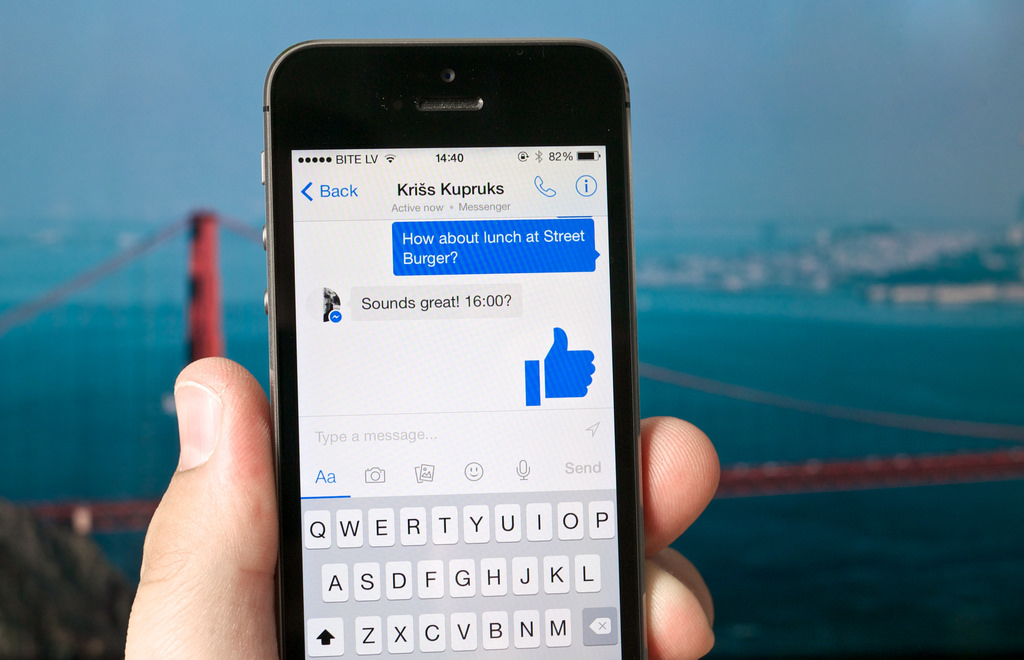
It has been widely assumed that Facebook was going to monetize its Messenger app at some point and ads were the most logical options. The social media network finally launched this initiative and absolutely everyone hates it. Facebook is rolling out the new ads globally as well, so it’s best to expect a worldwide outcry against the social platform.
As Forbes pointed out, the combined user numbers of both WhatsApp and Messenger could result in a multi-billion giant of a revenue generator over the next few years, owing to their combined number of users of 1.2 billion. That’s far fewer than the 2 billion that Facebook already has, but it’s not insignificant either.
Naturally, the social platform will be looking for more spaces on the app other than its home section, and this will lead to even bigger income generation for the company. For now, Facebook is only putting the ads on the first page that users see when they launch the app by default and boy are they huge. The ads are so big, in fact, that numerous publications are already condemning the presence of such obstructive elements on what is otherwise a useful messaging platform.
Due to the sheer sizes of the ads, they simply invade far too much space on the app, Tech Crunch reports. This makes using the app a nightmare, especially for those who don’t really have much patience to squint their eyes and scroll little by little just to find their contacts.
In order to determine exactly what led to the decision, Tech Crunch even asked Facebook what the response of its test participants had when they saw the ads. According to a spokesperson for the social network, the response was “since we began testing in Australia and Thailand we have put people’s experience first, and we will continue to prioritize this as we roll out the Messenger ads test further.”