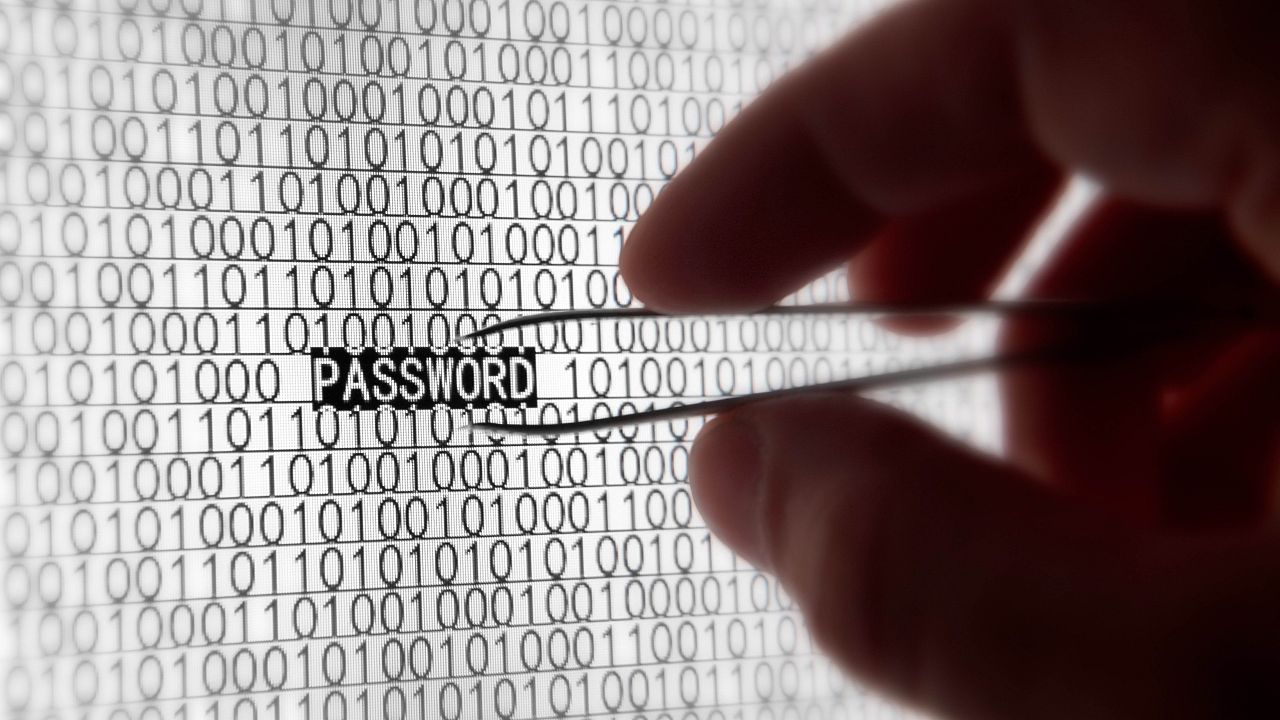
Ah, the modern computer password. It requires users to use numbers, upper case and lower case letters, and a combination of the two. The person responsible for this monstrosity of a security system is Bill Burr who works for the National Institute of Standards and Technology (NIST). Fast-forward more than a decade later, he is apologizing to everyone who felt frustrated by it and regrets ever introducing passwords to the world.
The modern password, as most people know it, was created all the way back in 2003, Engadget reports. Burr made a primer that essentially set the rules for how secure passwords should be and what they should look like. That’s what eventually led to most modern setups where users need to come up with different combinations of Capital letters, symbols, numbers, and spaces.
Unfortunately, it became increasingly clear over the years that humans are just terrible at creating and remembering passwords. That’s why so many users chose to stick with the simple “12345” or “Password” options, which led to a number security breaches.
In a recent interview with The Wall Street Journal, however, Burr expressed regret that he ever made such a system in the first place. It turns out that Burr wasn’t even a security expert when he created the primer and it was based on a paper that was written in the 80s. The result is a system that most people should never have had to deal with unless they had the knowledge and training necessary to make use of the system.
That’s why a few changes to how passwords are created have been implemented. Instead of making a word or phrase with random numbers and letters, the NIST is now recommending simply creating longer phrases. That is to say, instead of writing something like “P@$WoRd,” for example, it would be better and easier to go with something similar to “Thisismypassword.”