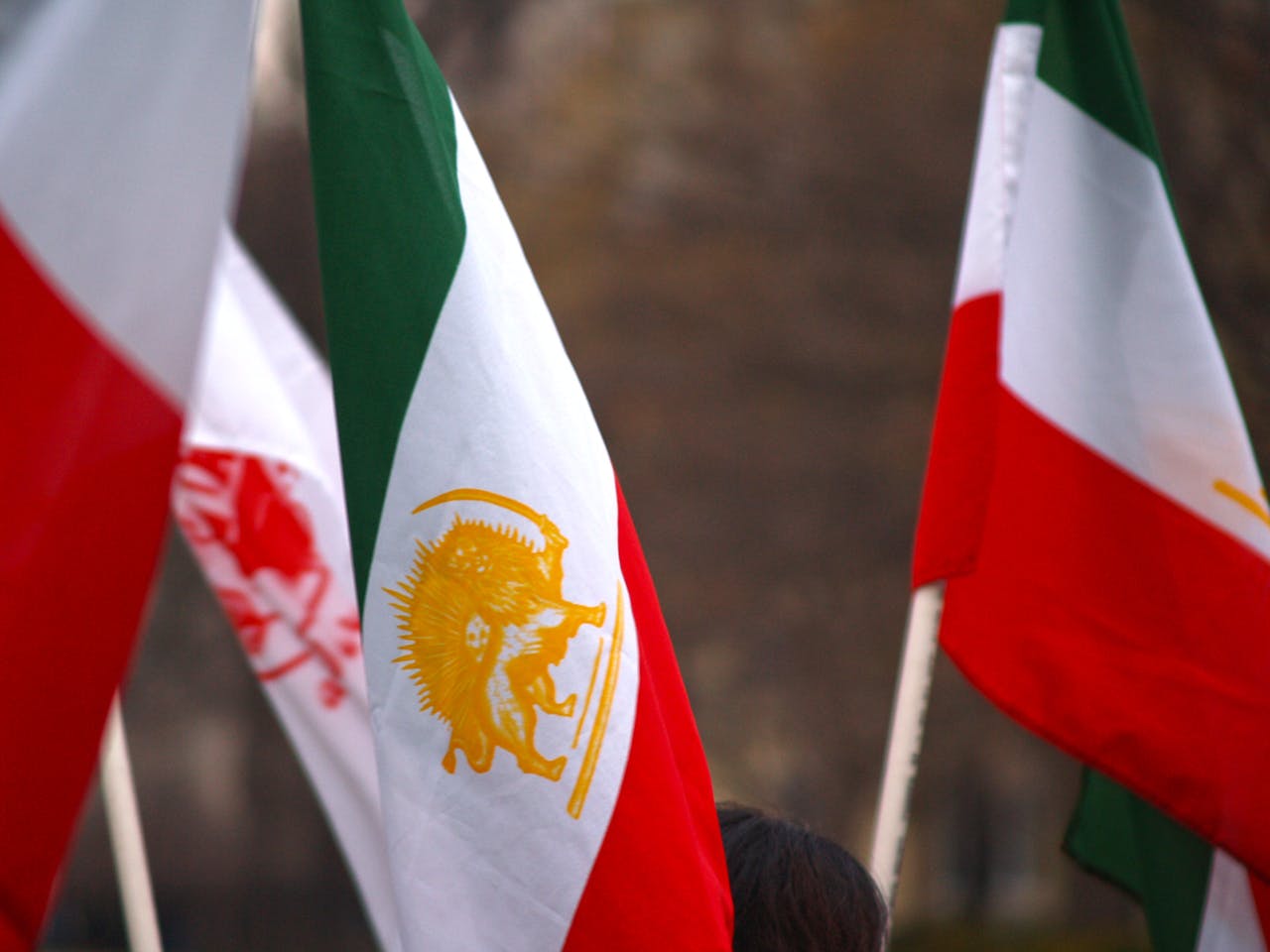
The Group of Seven (G7) foreign ministers voiced strong support on Monday for the recent ceasefire between Israel and Iran, calling for renewed diplomatic efforts to reach a verifiable and lasting agreement on Iran’s nuclear program.
Tensions spiked on June 13 when Israel launched an offensive against Iran, escalating into a regional conflict. In response, Iran struck a U.S. base in Qatar after the U.S. targeted Iranian nuclear facilities. The war, unfolding amid the ongoing Israel-Gaza crisis, prompted urgent calls for de-escalation. A ceasefire was brokered last week, with former U.S. President Donald Trump playing a central role in the negotiations.
Since April, the U.S. and Iran have resumed backchannel talks to find a peaceful resolution to Tehran’s nuclear ambitions. Iran insists its program is for peaceful energy use, while Israel and Western allies fear it could lead to nuclear weapons development. The G7 urged a return to negotiations for a “comprehensive, verifiable, and durable” nuclear deal.
U.S. Middle East Envoy Steve Witkoff described the recent talks with Iran as “promising,” expressing optimism for a broader peace agreement.
The G7 also condemned threats made against Rafael Grossi, head of the International Atomic Energy Agency (IAEA), after an Iranian hardline newspaper called for his execution. On June 12, the IAEA’s Board of Governors declared Iran in violation of its nuclear obligations—the first such declaration in nearly 20 years.
Iran, a signatory to the Nuclear Non-Proliferation Treaty, remains under IAEA inspection. Israel, which is widely believed to possess nuclear weapons, is not a party to the treaty and maintains its military campaign aims to prevent Iran from acquiring nuclear arms.
The G7 warned all parties to avoid actions that could inflame regional instability.