GlaxoSmithKline (GSK) and Eli Lilly are making major U.S. manufacturing commitments as global pharmaceutical companies expand domestic operations in response to possible tariffs on imported medicines. According to The Wall Street Journal, more than a dozen drugmakers have pledged over $350 billion in U.S. investments this decade to strengthen local supply chains and reduce tariff risks.
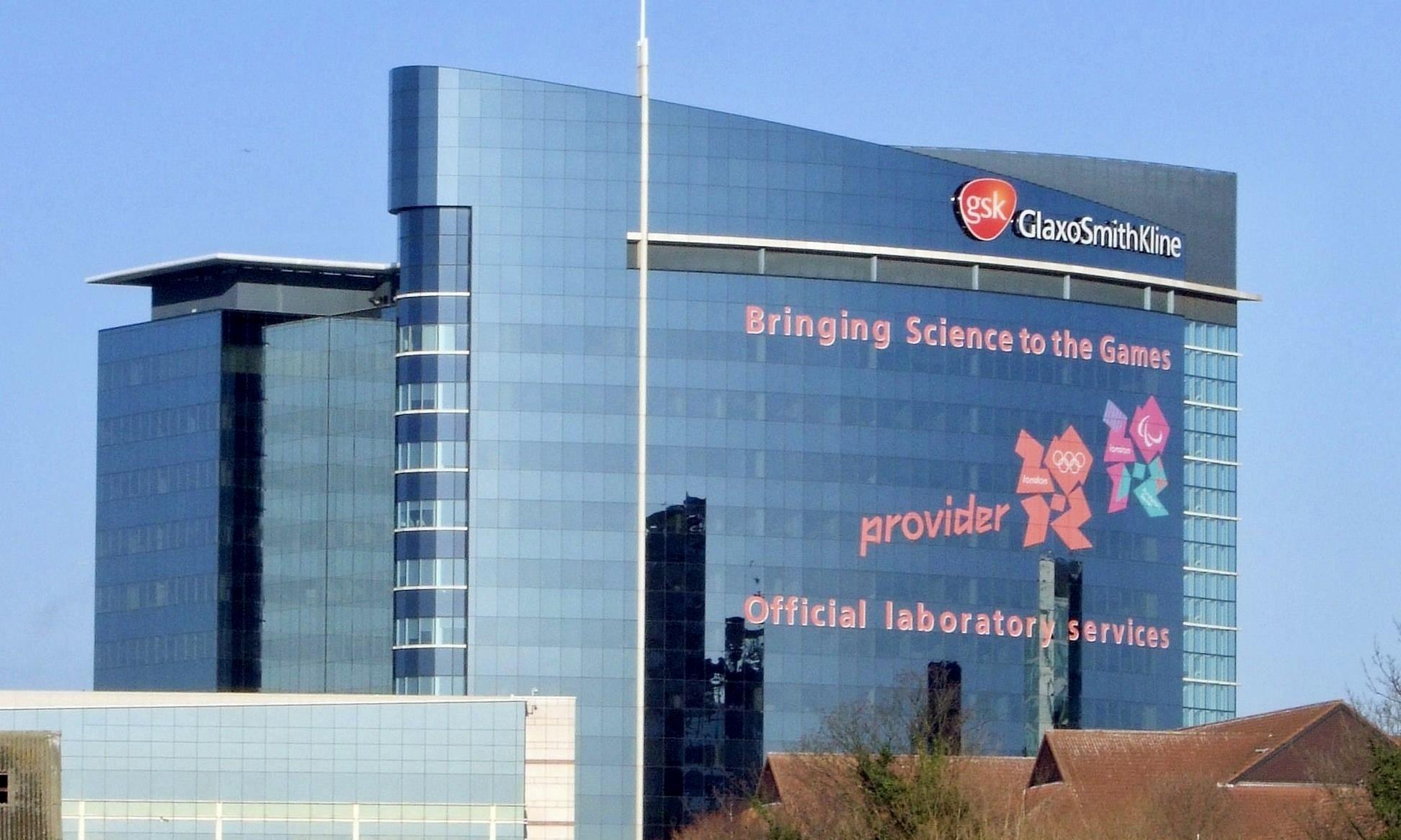
GSK (LON:GSK) revealed plans to spend $30 billion in the United States over the next five years, focusing on research, supply-chain infrastructure, and new production facilities. The investment includes $1.2 billion for a new factory near Philadelphia dedicated to developing treatments for respiratory illnesses and cancer. The move positions GSK to boost U.S. drug production while creating new jobs in the biopharma sector.
Meanwhile, Eli Lilly (NYSE:LLY) announced a $5 billion investment to build a state-of-the-art plant near Richmond, Virginia. The facility will specialize in manufacturing monoclonal antibodies and bioconjugates, critical therapies in oncology and immunology. Once operational, the plant is expected to employ approximately 650 workers, enhancing Lilly’s domestic manufacturing footprint and supporting innovation in biologic medicines.
The surge in U.S. pharmaceutical investments comes as the Trump administration considers imposing tariffs on imported drugs, with rates potentially climbing to 250% within 18 months. Such measures could significantly impact global supply chains, pushing companies to accelerate onshore production strategies.
By committing billions to U.S. manufacturing, GSK and Eli Lilly join a broader trend of pharmaceutical giants prioritizing local capacity. These investments are expected to safeguard supply resilience, stimulate job creation, and position drugmakers to better navigate policy changes affecting the global pharmaceutical market.