


 Yen in Focus as BOJ, Fed Rate Hikes Reshape Currency Markets
  U.S. Stock Futures Steady as AI, Rate Concerns Weigh
  BOJ Flags Import Costs and Yen Shocks as Persistent Inflation Risks
  Trump Eyes $54 Billion South Korean Investment in Alaska LNG
  US Dollar Hits Two-Month High as Aussie, Pound Slide
  India Manufacturing Growth Hits Seven-Month High in September
  Fed Unveils Stablecoin Rules Under GENIUS Act
  Asian Stocks Rise as Chipmakers Rally on Micron Earnings
  South Korea Exports Set for 16th Monthly Gain on AI Chip Demand
  RBA Says ASX Still Falls Short on Governance and Risk Controls
  South Korea Exports Surge 83.5% on AI Chip Boom
  ECB May Stop Rate Hikes After December, Capital Economics Says
  Fed’s Hammack Says Bond Yield Surge Is Not Driven by Inflation Fears


 Add as a preferred source on Google
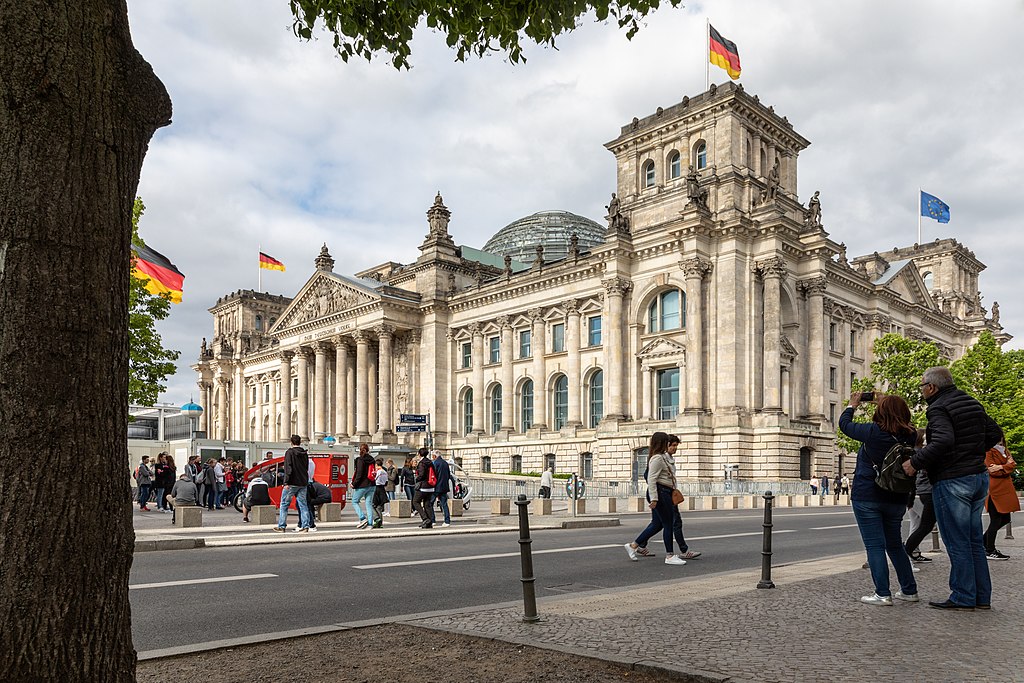
Germany’s economy has shown unexpected resilience, with Deutsche Bank Research forecasting 0.3% full-year growth, contrary to market expectations of stagnation. According to the Federal Statistical Office, Germany's GDP rose 0.4% in Q1 2025, marking a potential turnaround after prolonged economic weakness.
A surge in March exports—particularly in automobiles and pharmaceuticals—played a key role. Deutsche Bank analysts noted that this spike likely reflected companies accelerating shipments ahead of potential tariff hikes. More importantly, domestic demand showed strength: private consumption grew 0.5%, while investment rose 0.9%. Construction activity also expanded for a second straight quarter, indicating ongoing recovery.
The only drag on domestic demand was public consumption, which dipped 0.3%, attributed to the federal government’s provisional budget. Deutsche Bank expects this to reverse once a formal budget is passed, potentially leading to increased fiscal spending later in the year.
Business sentiment indicators provided mixed signals. While the composite Purchasing Managers’ Index dipped below 50, the Ifo Business Climate Index has risen steadily since January, suggesting optimism in manufacturing. Conversations with corporate clients also revealed improved sentiment under Germany’s new government, despite global trade tensions.
Looking ahead, Deutsche Bank expects Q2 growth between 0.1% and 0.2%, supported by solid domestic consumption and investment. However, risks remain: potential U.S. tariff increases in July could dampen momentum, and Q3 is expected to be fragile. By Q4, with a likely expansionary fiscal plan for 2026 and normalized household savings, stronger consumption and investment may materialize.
Deutsche Bank argues that consensus forecasts are too pessimistic, saying Germany’s economic fundamentals are improving more than widely assumed. They believe the outlook is turning positive, even as external uncertainties persist.







