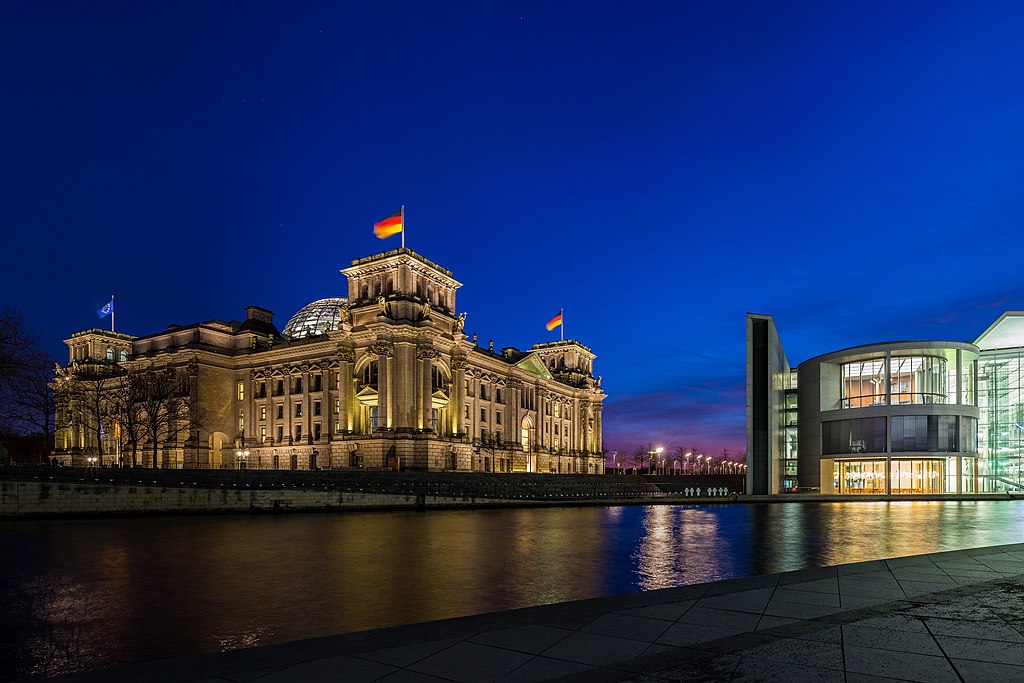
Germany is preparing for a pivotal national election on February 23, 2025, as the nation grapples with economic contraction. The German economy is projected to shrink by 0.1% this year, marking the third consecutive year of decline, a first since reunification. Despite the Eurozone's expected 1.1% growth and a 3.2% global expansion, Germany's industrial sector continues to face structural challenges.
High energy costs, rising competition, and elevated interest rates have hindered Germany’s economic growth. Peter Leibinger, President of the BDI industry association, attributed much of the crisis to domestic policy failures. This economic strain played a significant role in the December 2024 vote of no confidence that led to the dissolution of Chancellor Olaf Scholz’s government and the Bundestag.
Polls predict a decisive victory for the conservative Christian Democratic Union (CDU) led by Friedrich Merz, positioning him as the likely next chancellor. Analysts from UBS highlight the importance of how many parties will surpass the 5% threshold for Bundestag representation, including the CDU, far-right Alternative for Germany, and Scholz’s Social Democratic Party.
A clear majority in the Bundestag could enable fiscal policy adjustments, potentially reforming Germany's strict “debt brake” law, which limits government spending to its revenue. This reform could allow increased public spending or tax cuts, although the extent of such fiscal changes remains uncertain.
Germany’s economic outlook and political stability are closely intertwined, with the upcoming election set to shape the nation's future direction amid ongoing financial challenges.