


 Pacific Leaders Raise Alarm Over China Missile Test as Nauru Dissents
  Milei Threatens Falkland Oil Firms With Sanctions
  Trump Targets 1,000 U.S. Space Launches Annually by 2030
  Anthropic Nears $15 Billion Credit Deal Ahead of IPO
  Xiaomi Shares Jump on Europe EV Expansion Plan
  Tesla Cybercab Rides Launch in Austin as NHTSA Reviews Rollout
  Volkswagen Approves 50,000 More Job Cuts in Major Restructuring
  Putin Meets US Envoys in Moscow as Ukraine Peace Push Intensifies
  ByteDance Secures $29.6 Billion Loan to Boost AI Investment
  Huawei Launches Mate XT2 Foldable Phone in China
  Japan, US Target AI and Chips in $550 Billion Investment Push
  Russia Eyes Putin-Trump-Xi Trilateral Meeting at China APEC Summit
  Brazil Warns EU of Retaliation Over Animal Products Ban
  Ecuador Backs U.S. Sinking of Vessels in Pacific Anti-Drug Operation
  Netanyahu Orders West Bank Settler Outposts Dismantled
  Nvidia Eyes $2.5 Billion Investment in Thinking Machines Lab
  Israeli Strikes Kill Four in Gaza, Including Two Children


 Add as a preferred source on Google
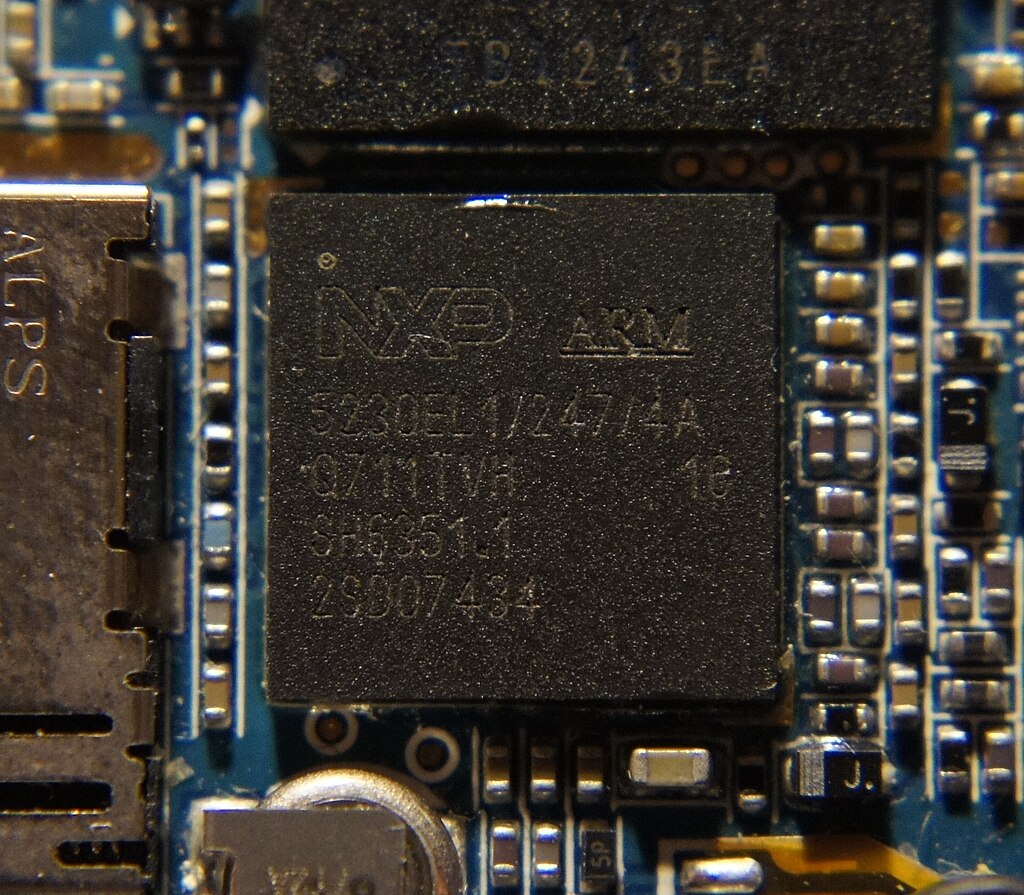
A factory in China’s industrial south has unexpectedly become a global choke point for automotive chips, exposing deep vulnerabilities in the auto sector’s supply chain. Despite previous promises to strengthen semiconductor sourcing after the pandemic-era shortages, automakers were caught off guard again—this time by geopolitically driven disruption involving Dutch chipmaker Nexperia and its Chinese parent, Wingtech.
The crisis began when the Dutch government temporarily took control of Nexperia’s Netherlands headquarters over fears that sensitive technology could be accessed by China. Beijing retaliated by blocking exports of Nexperia’s low-cost but essential automotive chips produced in Dongguan. Though inexpensive and considered basic components, these semiconductors are vital for functions such as braking systems and power windows. The sudden halt forced manufacturers like Nissan and Honda to cut production and pushed Bosch to scale back working hours.
Industry experts say the situation highlights a major shortcoming in global supply-chain strategy: automakers prepared for natural disasters and market shocks but did not anticipate geopolitical pressure targeting low-end semiconductor components. Executives and analysts note that years of just-in-time inventory practices and limited supplier diversification created the perfect setup for disruption. Some major suppliers, including Bosch, did not have enough alternative chip sources ready despite purchasing massive volumes from Nexperia annually.
The situation was further strained when Nexperia began requiring payments in yuan, slowing transactions and leaving chips piled up at the factory before conditions eased. China eventually allowed limited exports to resume after high-level political talks, narrowly preventing production shutdowns at major suppliers like ZF Group and Hella.
While companies such as Toyota remained relatively insulated due to long-standing stockpiling policies, most automakers now face renewed pressure to build more resilient, regionally diversified chip inventories. However, replacing or re-qualifying components can take months to a year, since many chips are integrated directly into vehicle modules and cannot be easily swapped.
As consultants warn, the industry will again talk about resilience and diversification—but implementing these strategies will be expensive. The Nexperia episode underscores how even low-tech components can become powerful geopolitical levers and disrupt global manufacturing at scale.







