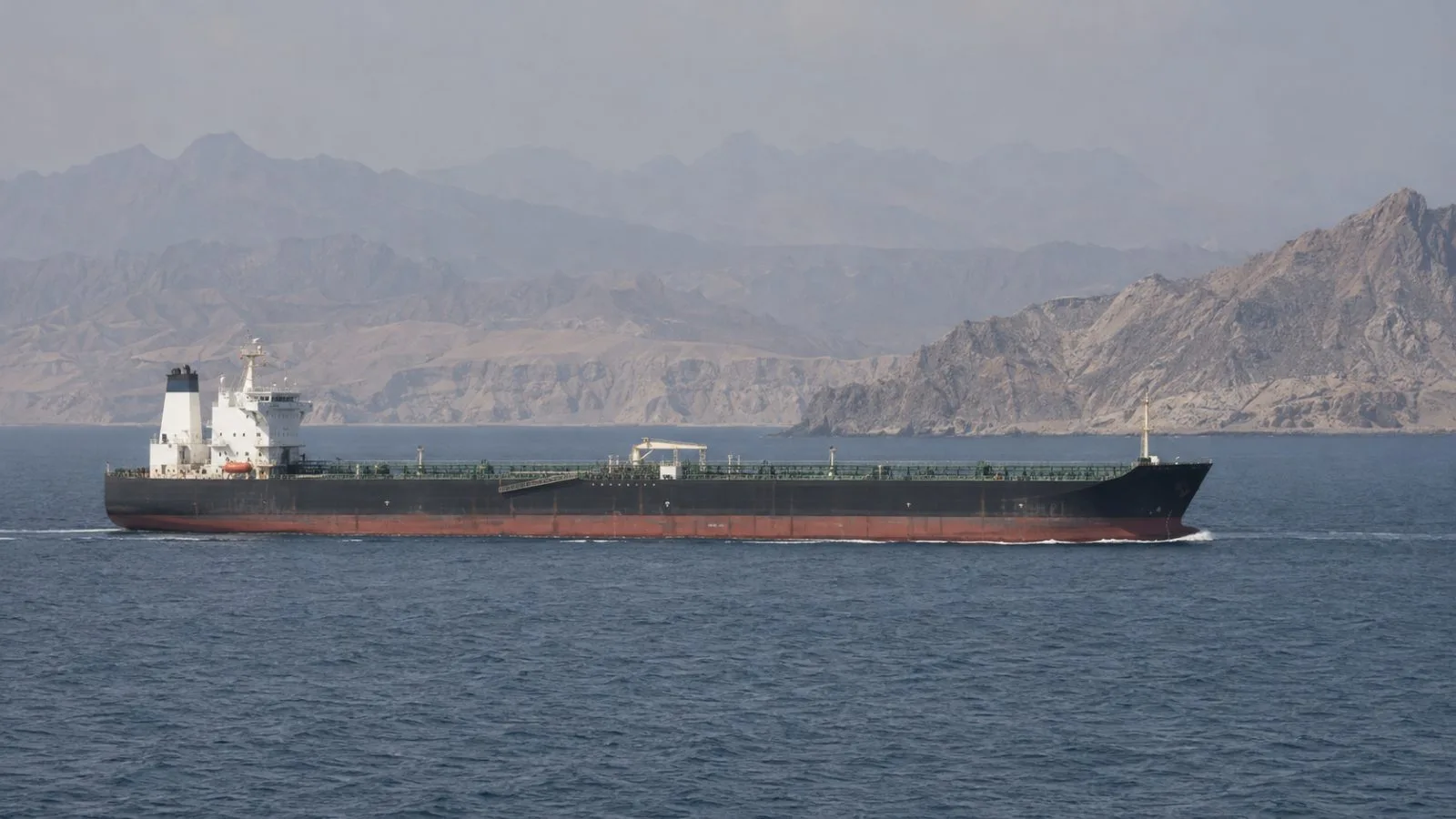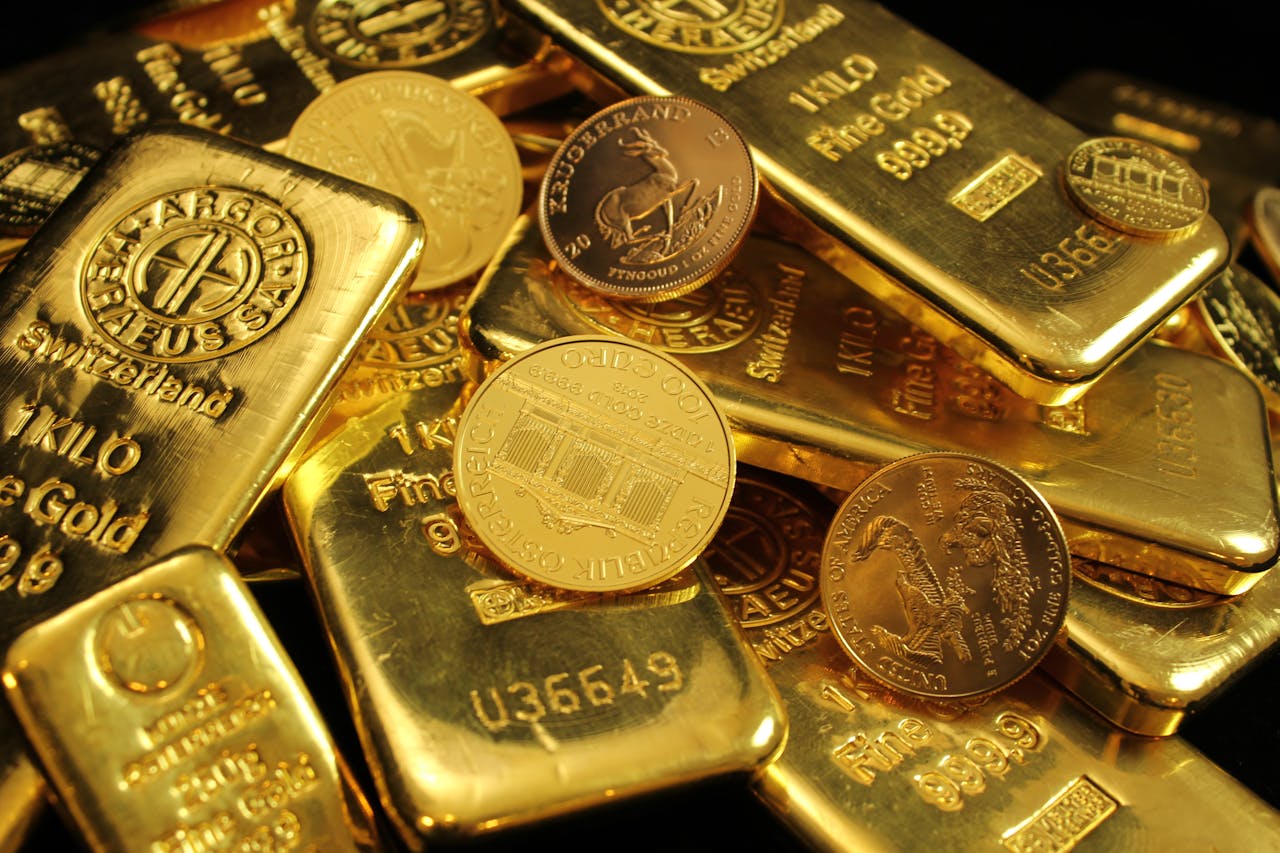
Gold prices edged higher in Asian trading Monday, recovering from a one-month low as a weaker U.S. dollar boosted demand, despite easing geopolitical tensions in the Middle East. Spot gold rose 0.5% to $3,290.25 per ounce, while August gold futures gained 0.4% to $3,300.00 by 02:00 ET (06:00 GMT). The metal had slumped nearly 3% last week—its steepest drop since early May—wiping out prior gains tied to global conflicts and leaving it flat for the month.
The dollar’s decline, with the U.S. Dollar Index down 0.2% and hovering near a three-year low, made gold more attractive to foreign investors. Market expectations of a potential Federal Reserve rate cut by September further pressured the greenback, supporting bullion.
Risk appetite improved after U.S. President Donald Trump brokered a ceasefire between Israel and Iran, reducing safe-haven inflows into gold. Optimism also grew following a U.S.–China trade agreement in Geneva, which eased rare-earth tensions and trade friction, and the launch of a U.S.–U.K. trade deal that cuts car tariffs and removes duties on aircraft parts.
Still, concerns linger over the upcoming July 9 deadline, which may trigger renewed tariffs on global steel, aluminum, and other imports if no agreements are reached.
Other metals also gained. Platinum futures jumped 1.9% to $1,377.00, putting the metal on track for a 30% monthly surge despite recent pullbacks. Silver held steady at $36.045 per ounce. Copper futures on the London Metal Exchange were flat at $9,888.95 per ton, while U.S. copper rose 0.7% to $5.132 per pound. Gains were tempered by weak Chinese manufacturing data, signaling softer demand from the world’s top copper importer.