


 India Manufacturing Growth Hits Seven-Month High in September
  Fed Unveils Stablecoin Rules Under GENIUS Act
  RBA Set for September Rate Hike as Inflation Stays High
  Global Central Banks Brace for More Rate Hikes as Inflation Risks Rise
  Oil Prices Steady as Middle East Crude Flows Recover
  BOJ Signals Faster Rate Hikes as Inflation Risks Grow
  Gold Prices Slip as High Treasury Yields Weigh on Bullion
  Trump Eyes $54 Billion South Korean Investment in Alaska LNG
  Japan Factory Output Unexpectedly Falls 1.7% in August
  Australia Trade Surplus Shrinks Sharply as Imports Surge
  Dollar Eases Near Two-Month High as Yen Rebounds
  US Treasury Bond Buybacks Fall Short Despite Expanded $6 Billion Cap
  Yen in Focus as BOJ, Fed Rate Hikes Reshape Currency Markets
  US Alcohol Ban Exposes Canada’s Internal Trade Barriers


 Add as a preferred source on Google
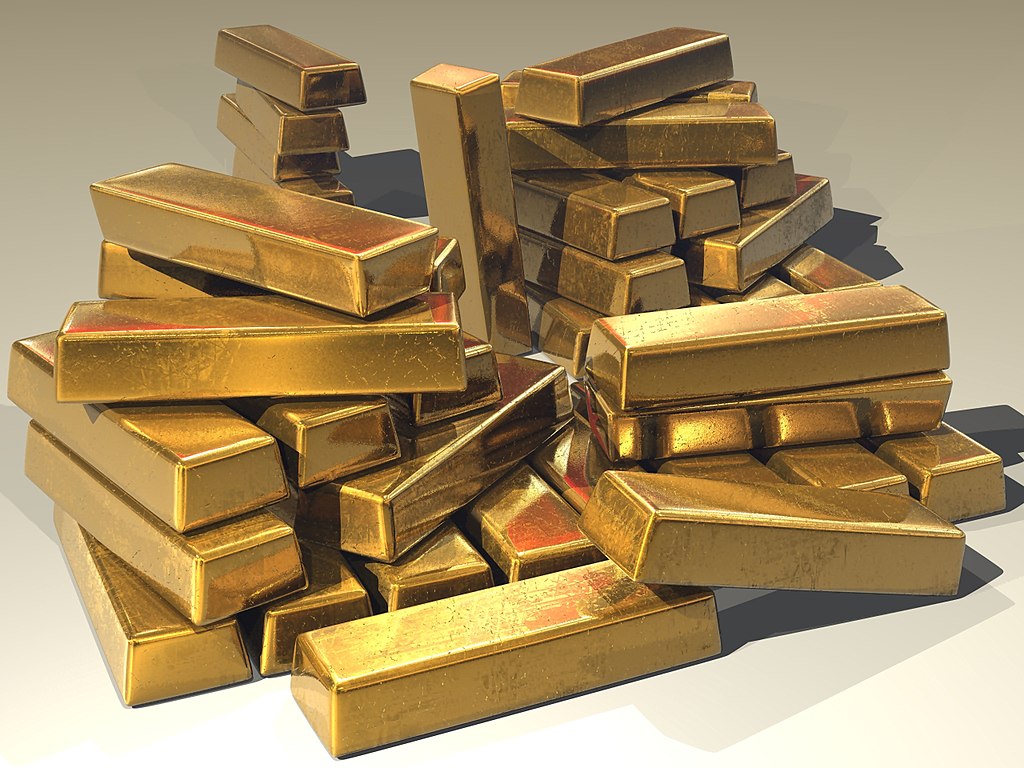
Goldman Sachs has raised its year-end 2025 gold price forecast to $3,100 per ounce from $2,890, driven by sustained central bank demand. The investment bank predicts that higher central bank purchases, now estimated at 50 tonnes per month (up from 41 tonnes), will boost gold prices by 9% by year-end, alongside increased ETF inflows as interest rates decline.
Goldman noted that if monthly purchases reach 70 tonnes, gold could climb to $3,200, while steady Federal Reserve rates could see prices at $3,060. Persistent policy uncertainty, including trade tensions, may push gold to $3,300 due to prolonged speculative buying. Rising U.S. fiscal concerns could further lift prices to $3,250 by December 2025.
The bank reiterated its "Go for Gold" trading strategy, emphasizing gold as a hedge against trade tensions, Fed risks, and recession threats. Inflation fears and U.S. debt sustainability could also drive central banks, especially those holding significant U.S. Treasury reserves, to increase gold acquisitions. Goldman expects these factors to sustain strong gold demand, bolstering its bullish outlook.







