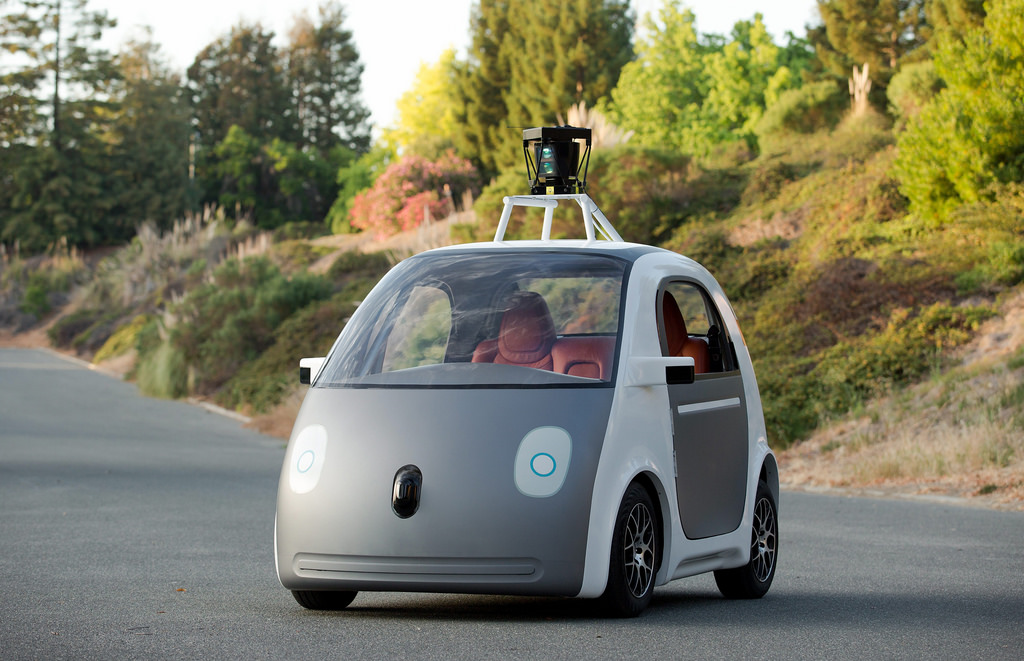
Uber was already threatened by existing ride-hailing rivals, including Lyft for its Western customers and DiDi in China. Now, it seems Google is set to be added to that list and it will do so in the segment that Uber has been desperately trying to dominate; self-driving cabs. After getting beaten to the punch by a tiny startup that launched the first real-world test run for self-driving cabs in Singapore, the largest cab-hailing company in the world must not contend with a tech giant that is also one of the pioneers of modern autonomous driving technology.
The first target for Google’s own self-driving, ride-hailing brand, is San Francisco, where commuters can carpool for less expensive rides, The Wall Street Journal reports. The information came from a person who is familiar with the situation at Google.
The setup was already tested by the tech company where it enabled employees to use the mobile app Waze in order to connect with others who they will carpool with. The cabs will then pick them up at designated locations. Now, Google wants to apply this technology to the greater San Francisco area and it’s scheduled to do so this fall.
The biggest difference between Uber’s methods and Google’s, which also applies to Lyft and DiDi, is the matter of pick-up arrangements. The current cab-hailing companies operate based on on-demand rides, where passengers ask for a cab and they get picked up. With the Waze app, passengers will get picked up by cars that are already heading in their general direction.
By sharing a ride with others, the fare becomes significantly cheaper than if passengers were to use the services of other ride-hailing companies. Right now, Waze is charging just 54 cents to the mile.
To add credence to this development, David Drummond has broken ties with Uber, The Information recently reported. As an Alphabet executive, Drummond could not be tied to both companies if they are going to start competing with each other. This makes the chances of Google finally flexing its technological muscles even more likely now.