More than a decade after suffering a severe debt crisis, Greece is finally on the road to recovery, making particularly fast progress in the years since the pandemic. According to Athens-based think tank IOBE, Greece is now expected to mark growth of 6% this year—positioning it as one of a handful of countries swimming against a global tide of inflation and looming recession. Central to Greece’s recent success is substantial interest from overseas investors—from the ever-popular hospitality sector to technologies such as cloud computing and electric cars, foreign investment is pouring into Greece at an unprecedented level. Will the 2020s be the decade of Greece’s ascension?
International investors’ attention piqued by Greek opportunities
Greece’s reputation as an attractive destination for foreign investment was recently given an international showcase at the inaugural Toronto Economic Forum, bringing together policymakers and businesspeople from Greece with their Canadian counterparts. The event underscored the strides which the Greek economy has made in recent years—in particular, the increasing direct foreign investment flowing into the country, declining unemployment and the myriad emerging opportunities for would-be investors.
Touching on numerous sectors including tourism, pharmaceuticals, technology and renewable energy, the Toronto event was capped off by a keynote address from billionaire founder and CEO of Fairfax Financial Holdings Prem Watsa, dubbed the “Canadian Warren Buffett”. “Greece is still—and by far—the best European country to invest in”, Watsa claimed. The Indian-Canadian entrepreneur has long expressed his admiration for the Greek government’s business-friendly economic policies and has made important investments in Greek companies, including Athens-based banking giant Eurobank and hospitality investors Grivalia.
The wave of investment from overseas entrepreneurs like Watsa is transforming Greece’s economy. Last year saw a dramatic increase in foreign direct investment (FDI), with a whopping 74.3% rise over 2020, seeing more than €5 billion poured into the country, and early signals suggest investment is continuing to grow.
Tourism still a mainstay, with increasing green focus
Hospitality remains one of the crown jewels of the Greek economy, though the sector is undergoing an important transformation as investors craft projects to appeal to modern travellers who are increasingly conscious of their environmental footprint. Developing sustainable tourism is one of the Greek government’s key priorities—in fact, the Greek National Tourism Organisation has just recently unveiled a new hub to promote green initiatives—and foreign investors are spearheading this shift towards sustainability.
Vitaliy Borisov, an Israeli entrepreneur who is one of the largest single overseas investors in the Greek tourist haven of Crete, predicted five years ago that the 2020s would be the decade to invest in Greece. Borisov’s own international property development group, Mirum, is banking on the growing global appetite for sustainable tourism and real estate. Already responsible for several projects on Crete, Mirum is now developing Elounda Hills, a luxury coastal resort. Elounda Hills, well-positioned to take advantage of the new Kasteli International Airport which is expected to become Greece’s second-busiest once construction is completed, has put particular emphasis on sustainability, making use of sustainable and locally-sourced materials and adopting a more eco-friendly mixed-use approach, blending residential and hospitality facilities. The project has attracted keen interest from international investors, including Israeli fund Maoriy.
The flood of foreign investment into such sustainable projects in Greece has also galvanised local developers, who are now feeling the pressure to step up. One example of this is the Ellinikon project, which aims to overhaul large parts of the Athenian Riviera, turning almost six km² of the capital previously occupied by an airport into a sprawling mixed-use complex combining hospitality and leisure with residential and commercial areas. The €8 billion project, built by Greek real estate company LAMDA Development, is set to become “the largest sustainably built urban regeneration project in Europe’s history”.
Digital initiatives draw further overseas funding
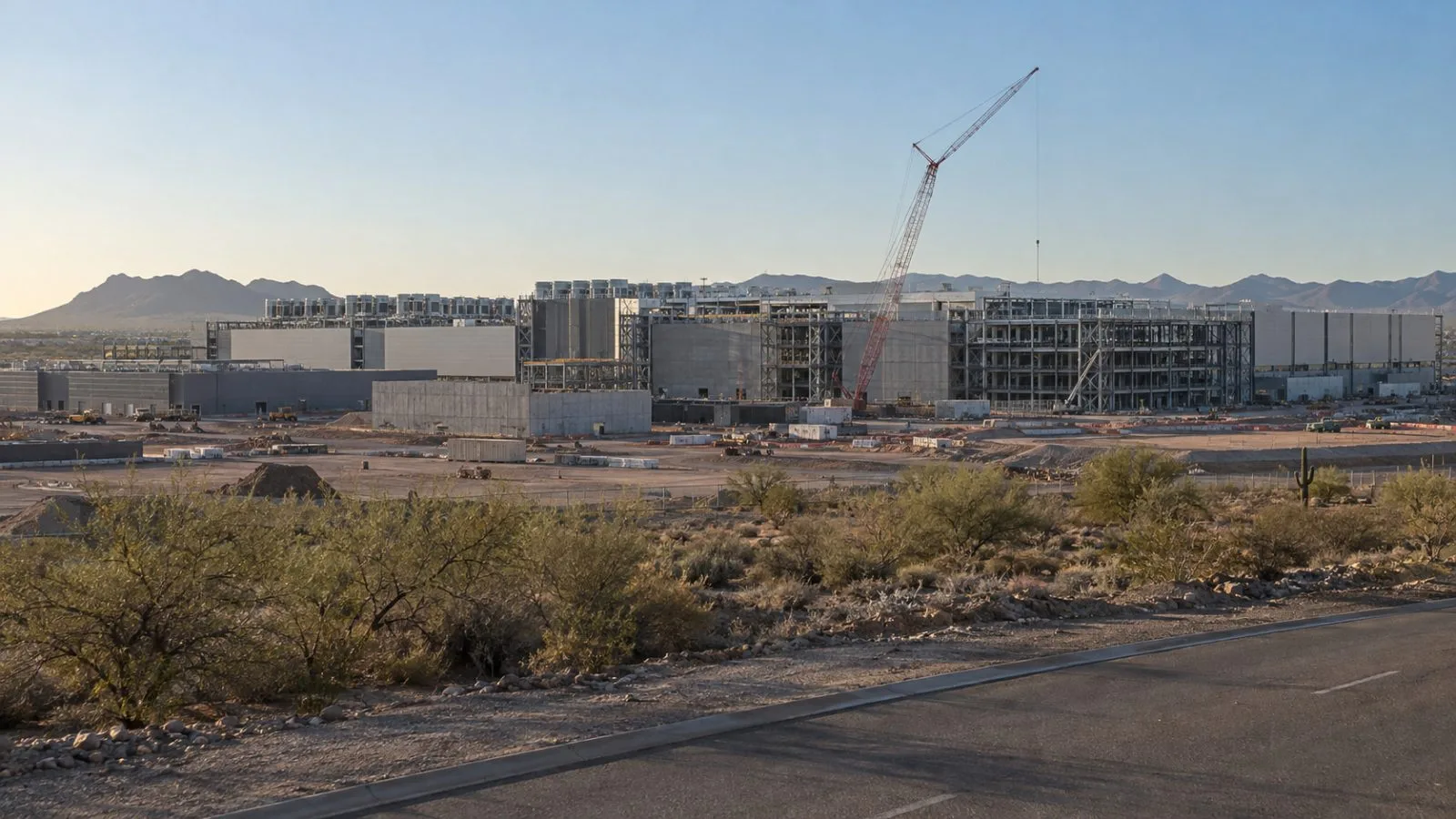
In addition to sustainable tourism, investors are also evidencing their interest in Greece’s rapidly-growing high tech sectors. Microsoft in particular has had a presence in Greece for 30 years, and as one of the world’s leading tech companies, has contributed greatly to the country’s digital transition—even partnering with the Athens government to produce a digital recreation of Ancient Olympia through the use of powerful AI and 3D technology. In 2020 Microsoft strengthened its commitment to the Greek tech sector through the announcement of a $1 billion investment into three giant data centres around the city of Athens, as part of an agreement which will also see 100,000 Greek workers receiving digital skills training programs.
Data storage is not the only high-tech sector that is seeing increased activity in Greece. Pharma giant Pfizer put €650 million into a flagship Global Innovation Centre in Thessaloniki, with Greece expecting to play a large role in the company’s global network of digital hubs. Boehringer Ingelheim, already present in the country since 1975, is expanding its operations in Koropi, Attica with a brand new pharmaceutical production hub. Electric cars are also on the rise, with German manufacturer e.GO planning an assembly factory in Greece, while Volkswagen has transformed the entire island of Astypalaia into an e-mobility lab, replacing all public transport with eco-friendly alternatives powered by renewable sources.
Greek revival
During the last financial crisis, Greece’s economy was infamously referred to as “the sick man of Europe”, and the country’s economic potential was stymied by widespread unemployment and unsustainable debt. Little more than a decade later, even after being hit particularly hard by the economic effects of the pandemic, Greece is experiencing a resurgence like no other.
At the centre of its recovery lies the ability to attract substantial foreign investment, through draws including sustainable tourism opportunities, a highly skilled workforce and the ease of doing business. If Greece manages to maintain momentum and smartly use the flows of foreign cash to bolster its finances, it is entirely possible that we are now witnessing the beginning of a Greek renaissance.
This article does not necessarily reflect the opinions of the editors or management of EconoTimes.