


 AstraZeneca Shares Sink After Wainua Trial Misses Key Heart Disease Goal
  Novartis M&A Strategy Faces Investor Scrutiny After Drug Setbacks
  Moderna Short Sellers Hit With $4.8 Billion Loss as Stock Soars
  GSK Unveils $2.52 Billion Cost-Cutting Plan to Accelerate Drug Pipeline
  U.S. Issues Cuba Health Alert as Illnesses Rise
  FDA Approves Mirum’s Atebrioz for Rare Bone Disorder FOP
  US-Backed Pediatric HIV Treatment Drops After Foreign Aid Changes, Study Finds
  Eli Lilly Eyes AtaiBeckley Acquisition to Expand Psychedelic Mental Health Pipeline
  Hanmi Pharm Soars 30% on $2.3 Billion Genentech Obesity Drug Deal
  France Battles Mediterranean Wildfires as Heatwave Fuels Fire Risk
  Hims & Hers Shares Fall as GLP-1 Costs Widen Q2 Loss
  Novo Nordisk Eyes Turnaround as Oral Wegovy Challenges Eli Lilly in Weight-Loss Drug Race
  France Keeps Top Health Alert as Officials Brace for Another Heatwave


 Add as a preferred source on Google
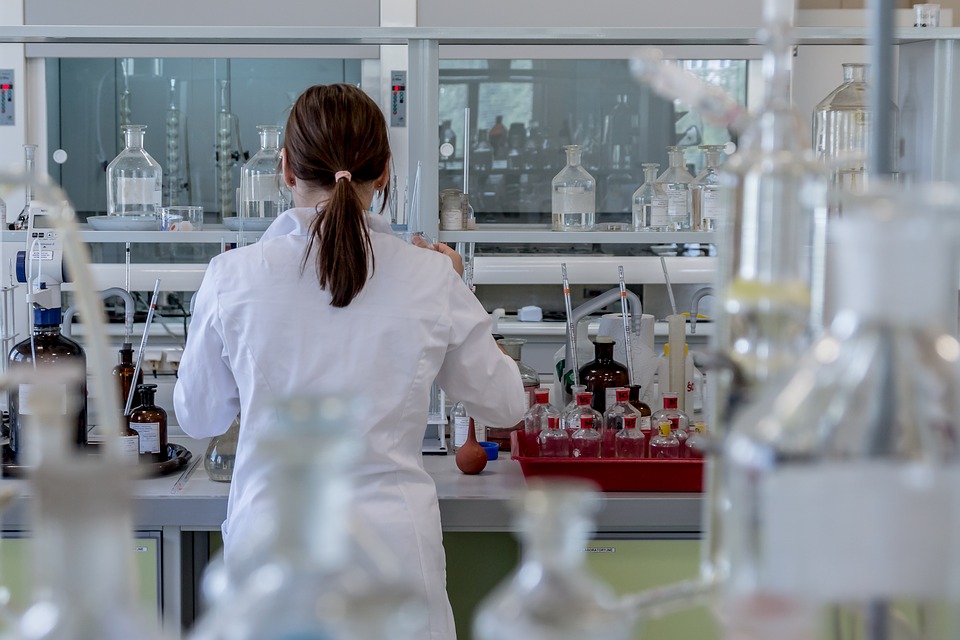
The search and development for a cure for HIV/AIDS continues, but thanks to today’s technological innovations, we become one step closer to developing a cure for all stages. Cuba makes a breakthrough in its HIV/AIDS vaccine project while organizations such as the Gates Foundation and NIH make donations for further testing and research.
Cuba has made some progress in its HIV/AIDS vaccine project. Referred to as “Teravac-HIV,” the scientists concluded their preclinical studies. They used lab animals and 20 human volunteers, and according to the leaders of this project, the results came out favorable. There were no adverse effects on the lab animals and in the volunteers.
The objective of Teravac-HIV is to induce an anti-HIV response within the body at a cellular level. This is to decrease the burden on patients who are suffering or are diagnosed with the disease through a “functional cure.”
Enrique Iglesias, the principal project specialist of Teravac-HIV stated that while cases of HIV/AIDS in Cuba is relatively low, there is still a high resistance to a few antiviral compounds that they use. Iglesias went on to say that a “therapeutic vaccine could contribute to the management of the epidemic.”
Meanwhile, scientists at the Fred Hutchinson Cancer Research Center in Seattle have received funding from the Gates Foundation and the National Institutes of Health that will go towards further testing and research. Even though there is a medication that can help manage the disease in over 24 million patients, missing a day or two can bring a relapse in the condition. Both organizations pledged over $100 million in grants that will support the gene-based research the scientists in the center are doing.
The scientists believe that the virus can eventually be “scrubbed out” of the bodies of those diagnosed through giving the blood cells “protective genes” or gene therapy. They hope that once this vaccine is fully realized and developed, they can spread this cure to all parts of the world.
Along with HIV/AIDS, the organizations, as well as the Center, hope that the grants can be used to further a cure for Sickle Cell disease, which is very prevalent in regions of Africa.







