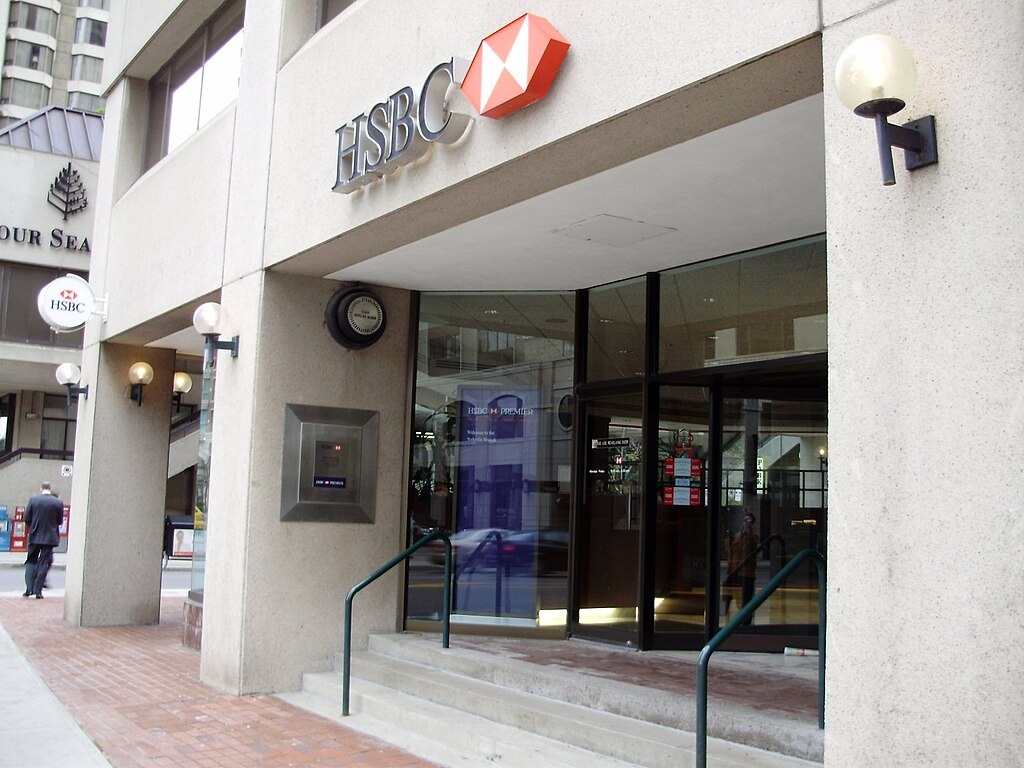
HSBC Holdings PLC (LON:HSBA) has unveiled plans to fully acquire Hang Seng Bank (HK:0011) in a HK$290.31 billion deal, offering shareholders HK$155 per share in cash. The proposed price represents a 30% premium over Hang Seng’s previous closing value of HK$119, signaling HSBC’s confidence in the long-term value of its Hong Kong operations.
The proposal, announced jointly by both institutions, will be executed through a scheme of arrangement under Hong Kong’s Companies Ordinance. If approved by shareholders and the court, Hang Seng Bank will be delisted from the Hong Kong Stock Exchange and become a wholly owned subsidiary of HSBC. The deal is expected to be completed in the first half of 2026.
HSBC stated that the move aims to simplify its operational structure in Hong Kong, enhance efficiency, and strengthen its presence in the region. Despite the full acquisition, the banking group emphasized that Hang Seng will retain its brand identity, governance framework, and local market focus.
The offer will be entirely funded through HSBC’s internal resources, ensuring no external financing is required. While the transaction will temporarily reduce HSBC’s CET1 capital ratio by approximately 125 basis points, it is projected to be earnings-accretive over time.
HSBC’s strategic push reflects its broader ambition to streamline its Asia-Pacific portfolio and consolidate its position as one of the leading financial institutions in the region. The bank believes the integration will enable greater synergy between its retail and commercial operations, offering enhanced value to customers and shareholders alike.
If approved, the move will mark one of the largest privatization deals in Hong Kong’s banking sector in recent years, reinforcing HSBC’s commitment to the region’s long-term financial growth and stability.