Last week, news started circulating that the head transplant operation spearheaded by controversial Italian professor named Sergio Canavero was a success. Publications quickly picked the story up and spread the word, but the larger medical and scientific community are intent on putting the brakes on it. According to practically every credible science organization, institution, and journal, a head transplant is simply impossible with current medical technology.
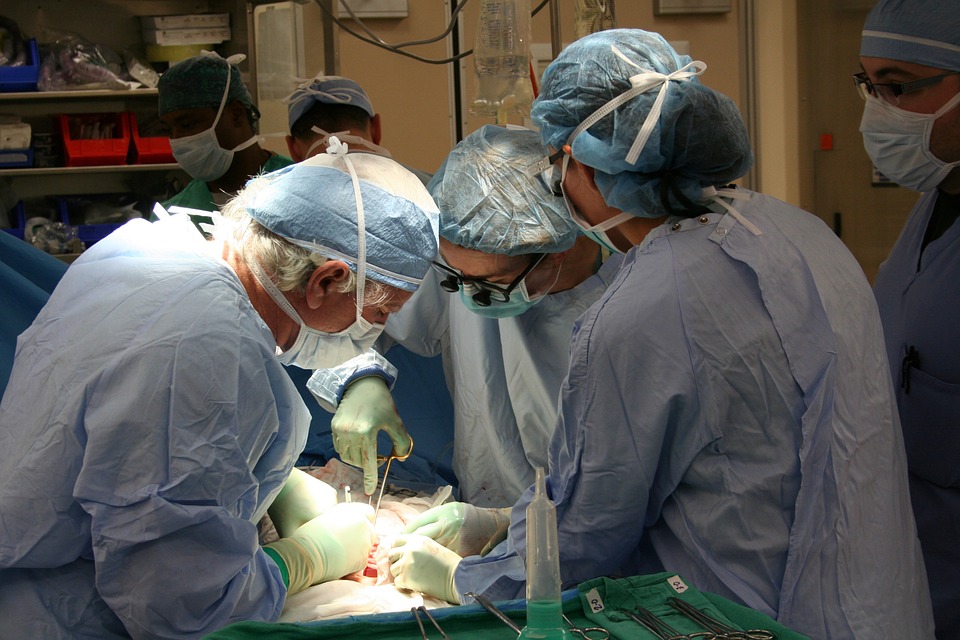
The flurry of headlines and tacky puns started when The Telegraph published an interview with Canavero who claimed that a team of doctors was able to successfully perform a head transplant on a corpse. The operation was done in China, with Dr. Xiaoping Ren of Harbin Medical University leading the team.
After more than 18 hours, the operation was apparently a success, with nerves, blood vessels, and the spine of two people being attached. This is a medical breakthrough that the industry could only dream of and for many professionals in the field, it remains a dream.
One of the people who is skeptical of Canavero’s claim, to say the least, is Arthur Caplan. The NYU School of Medicine medical ethics head, Caplan told Futurism that what the controversial figure said is absolutely impossible. Transplanting a face is hard enough as it is, but doing it with an entire human head is borderline science fiction.
“The way he talks about head transplants, it’s like unscrewing a bulb from a socket and putting in a new one,” Caplan said. “But obviously the chemistry where the new brain will be exposed, and the neural inputs, will be very different. Even if you could keep somebody alive – which I doubt, because of immune rejection – but even if you could, I think they’d be insane, because the brain wouldn’t be able to process the new environment. I think that’s a limit on head transplants, generally.”
Caplan’s views mirror that of many other neurologists, neurosurgeons, and practically the entire global medical community. This isn’t to say that a head transplant will never be performed. It just can’t be done right now or in the near future.