


 Flydubai Co-Pilot Planned Suicide Attack on Israel Airport, UAE Says
  Zelenskiy Offers Russia Energy Truce Amid Trump Pressure
  Ripple Chairman Chris Larsen Donates $22.5 Million Ahead of US Midterms
  US, EU Push for Action Against Asia’s Excess Factory Capacity
  US Charges Maduro and Wife With Torture Conspiracy
  Zelenskiy Slams US Over Deadly Russian Strikes on Ukraine
  Trump Calls for Zelenskyy Replacement Amid Russian Diesel Deal
  US Judge Blocks Trump Administration’s Taxpayer-Funded Political Ads
  Trump Secures Russian Diesel Deal as US Fuel Prices Surge
  Russian Strikes Kill Six in Ukraine, Including Three in Kharkiv
  Flavio Bolsonaro Leads Lula 49%-45% in Brazil Runoff Poll
  Trump Buys Up to $25M in Meta Stock, Invests in SpaceX Debt
  JD Vance Questions Pentagon Plan to Livestream Fort Hood Shooter’s Execution
  RFK Jr. Launches Nationwide Vaccine Safety Review
  North Korea Fires Ballistic Missiles as Tensions With South Korea Escalate
  Trump Announces Russia-Ukraine Energy Ceasefire as Zelenskiy Awaits Details


 Add as a preferred source on Google
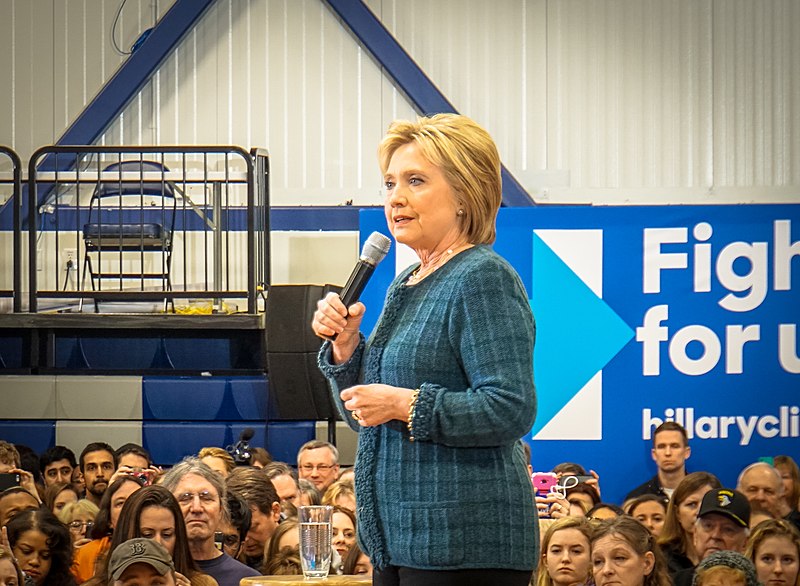
US President Joe Biden’s decision to finally withdraw US troops from Afghanistan was met with mixed reactions across the board. While many praised the decision, others, including former Secretary of State Hillary Clinton, have concerns regarding the move.
Speaking on CNN over the weekend, the former Secretary of State said that the US should be prepared to face the consequences that would come when the US withdraws from Afghanistan. Axios reported last week that Mrs. Clinton and Condoleeza Rice both had their concerns regarding the decision, which they aired towards the House Foreign Affairs Committee.
When pressed on what she thinks regarding the decision, the former lawmaker said that the decision has been made and that she knows how difficult it must have been to decide. Mrs. Clinton went on to explain that there are two consequences to withdrawing from Afghanistan.
“One, the potential collapse of the Afghan government and a takeover of Afghanistan by the Taliban, probably with a resumption of civil war in certain parts of the country, but a largely Taliban-run government at some point in the not-too-distant future,” said Mrs. Clinton. The former secretary of state added that she hopes the Biden administration would coordinate with Congress to providing a large visa program to protect Afghans who have worked with the US and with NATO. Mrs. Clinton noted that there may be an outflow of refugees because of it.
“And of course, the second big set of problems revolves around a resumption of activities by global terrorist groups, most particularly Al Qaeda and the Islamic State,” added the former first lady.
In other news, Mrs. Clinton also warned that many countries all over the world are experiencing a “crisis in democracy.” Speaking in a discussion hosted by the Chatham House think tank in London, the former secretary of state cited the events of January 6, where a pro-Trump mob stormed the Capitol to stop the certification of Biden’s election victory. Mrs. Clinton cited that the events made young people question whether democracy could lead to results not only accepted by the majority but by the vocal minority as well.







