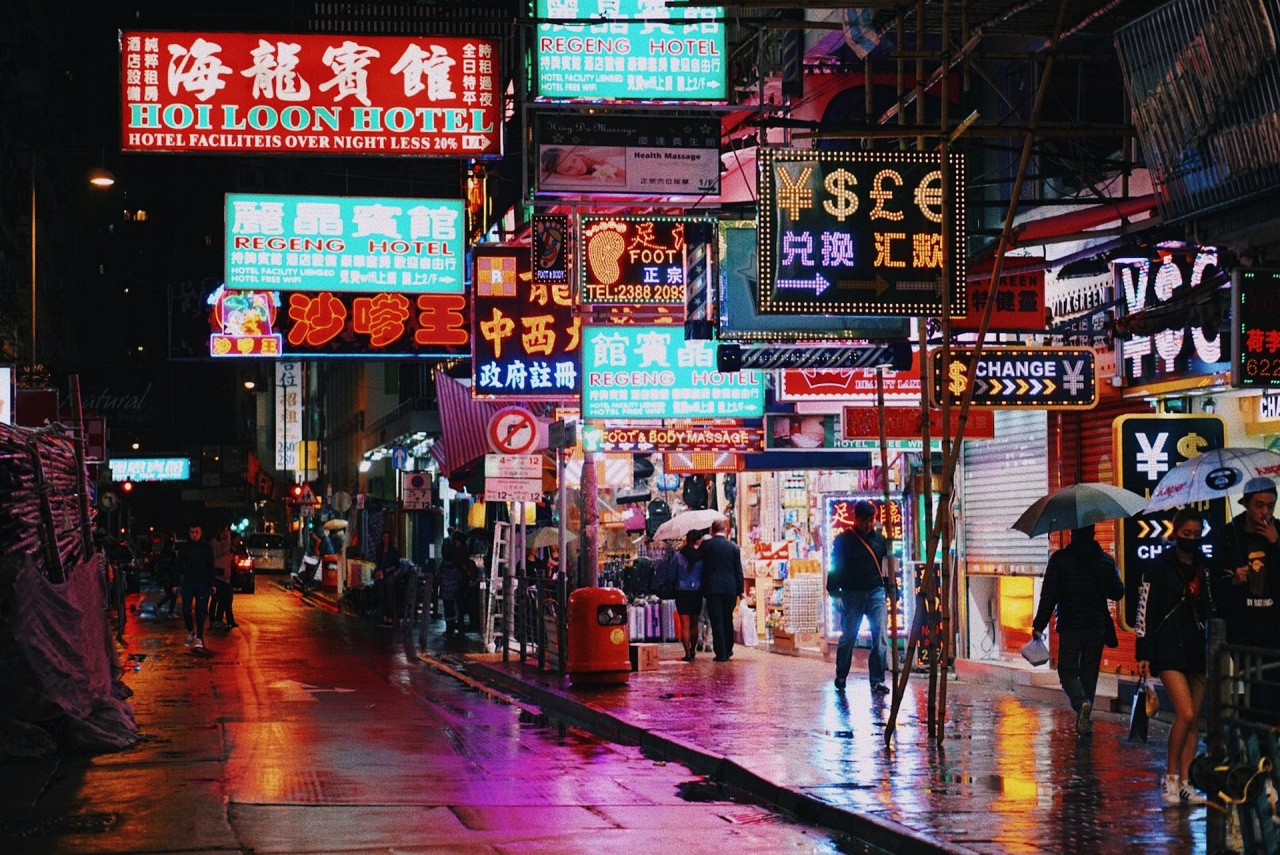
Hong Kong’s latest Legislative Council election recorded one of the lowest turnouts in the city’s history, reflecting widespread frustration following the region’s deadliest fire in nearly eight decades. Despite extended voting hours and additional polling stations, the final turnout reached only 31.9%, slightly higher than 2021’s record low of 30.2%, though the total number of votes cast was marginally lower than four years ago.
The election took place under tightened political controls, with only government-approved “patriots” permitted to run for the 90-seat legislature. Of those seats, just 20 were directly elected, while the remainder were chosen by Beijing-aligned committees and industry groups. The restrictive system, introduced after the 2019 pro-democracy protests, has significantly reduced public participation, especially among pro-democracy supporters who historically comprised the majority of voters.
This year’s polls unfolded under the shadow of public grief and anger after a massive blaze in Tai Po killed at least 159 residents. Investigators said substandard renovation materials contributed to the rapid spread of the fire, which took nearly 48 hours to extinguish. Security was heavily increased in the district, with police patrolling near the damaged Wang Fuk Court complex.
Authorities have launched criminal and anti-corruption investigations related to the fire, while Chief Executive John Lee pledged reforms aimed at strengthening construction oversight and government accountability. Public frustration, however, remains high, with memorial offerings cleared by authorities amid concerns over potential protests.
The government also arrested several individuals accused of inciting a voting boycott on social media, an act now criminalized under Hong Kong’s revamped security laws. Beijing’s national security office additionally warned foreign media against spreading what it called “false information” about the disaster or government response.
For many residents, the election underscored growing distrust in the city’s leadership. One elderly local, Cheng, said he refused to vote, expressing deep disappointment in pro-establishment politicians. Voter registration has continued to decline as political participation wanes under tightened controls.