


 Pakistan Declares Emergency in Khyber Pakhtunkhwa, Suspends Imran Khan’s PTI Government
  Trump Announces Russia-Ukraine Energy Ceasefire as Zelenskiy Awaits Details
  Flavio Bolsonaro Leads Lula 49%-45% in Brazil Runoff Poll
  Zelenskiy Slams US Over Deadly Russian Strikes on Ukraine
  North Korea Fires Ballistic Missiles as Tensions With South Korea Escalate
  US, EU Push for Action Against Asia’s Excess Factory Capacity
  Houthis Warn Saudi Airports After Deadly Riyadh Attack
  Mahmoud Abbas Postpones Palestinian Elections to September 2027
  Ripple Chairman Chris Larsen Donates $22.5 Million Ahead of US Midterms
  Trump Calls for Zelenskyy Replacement Amid Russian Diesel Deal
  US Charges Maduro and Wife With Torture Conspiracy
  Trump Sanctions International Criminal Court, Sparking EU Backlash
  Djibouti Migrant Boat Capsizes, Killing 139 and Leaving 84 Missing
  Trump Announces Russia-Ukraine Energy Ceasefire Amid U.S. Pressure on Kyiv
  Trump Secures Russian Diesel Deal as US Fuel Prices Surge
  Brazil Election: Lula and Bolsonaro Rally Ahead of October 25 Runoff
  Russian Strikes Kill Six in Ukraine, Including Three in Kharkiv


 Add as a preferred source on Google
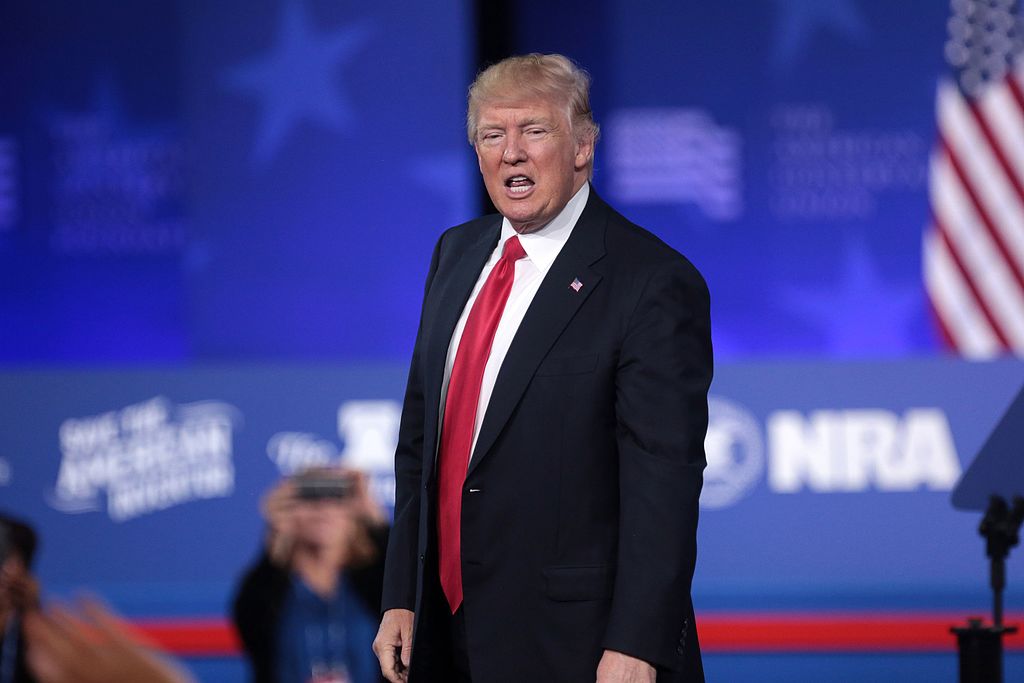
Donald Trump is taking a proactive stance to repair fractured relationships with state governors as he embarks on his presidency in 2025. His new approach, focused on collaboration and federal support, aims to resolve long-standing tensions between Washington and individual states. However, critics remain skeptical about whether Trump can deliver on his promises or if his approach will deepen political divides.
The former president’s relationship with governors during his first term was marked by sharp disagreements over issues like pandemic responses and federal funding. Now, Trump is pledging a fresh start, signaling that improved cooperation between the federal government and state leaders is essential for tackling America’s challenges.
A New Era of Federal-State Collaboration
In his first public address after taking office, Trump outlined a vision of mutual respect and teamwork between his administration and the nation’s governors. He emphasized the importance of unity in addressing issues such as infrastructure improvements, disaster preparedness, and economic recovery.
“Our governors are the backbone of this country,” Trump stated. “We will work hand in hand to deliver results for the American people.”
Key elements of Trump’s strategy include increasing federal block grants to states, expediting disaster relief efforts, and creating a bipartisan council to foster better communication. His administration also announced plans for quarterly meetings with governors to address state-specific concerns.
While Trump’s supporters applaud these efforts, detractors question whether his past confrontations with governors will hinder progress. Analysts suggest that building trust will require more than policy announcements—it will depend on consistent follow-through and genuine engagement.
Critics Express Doubts Over Execution
Despite the ambitious plan, critics argue that Trump’s historically contentious leadership style could undermine his goals. Political analysts note that his public disagreements with governors during his previous term, particularly over pandemic protocols and election security, left a lasting impact.
Dr. Amanda Russell, a political science professor, stated, “Trump’s approach to governance has always been polarizing. To mend relationships with governors, he’ll need to demonstrate a willingness to listen and compromise, which hasn’t been his strong suit.”
Additionally, some governors have expressed skepticism about Trump’s promises. California Governor Gavin Newsom, a frequent critic, commented, “Actions speak louder than words. We’ll see if this administration truly prioritizes state partnerships.”
Netizens Weigh In on Trump’s Strategy
Social media users have shared a range of opinions about Trump’s efforts to improve federal-state relations:
- @PatriotMike2025: “Trump’s plan could finally bridge the gap between Washington and the states. Governors need to meet him halfway!”
- @LiberalVoicesNow: “We’ve heard these promises before. Trump’s idea of collaboration usually means doing things his way.”
- @MiddleAmericaVoter: “If Trump delivers on this, it could be a game-changer for state funding and disaster response.”
- @BlueStateActivist: “No way Newsom or Whitmer will trust him after everything. This is just for show.”
- @BipartisanHope: “America needs unity. Let’s give Trump and the governors a chance to work together.”
- @RealTalkPolicy: “This could either be brilliant or a disaster. It all depends on how serious both sides are.”
Can Trump Build a Stronger Union?
Donald Trump’s 2025 strategy to improve relations with governors represents a critical test for his presidency. If successful, it could set a precedent for federal-state collaboration. However, with lingering mistrust and political tensions, the road ahead will require more than promises—it will demand action, compromise, and sustained effort.







