


 Apple Names Steve Smith M&A Chief in Leadership Shakeup
  TSMC Profit Set to Surge 65% as AI Chip Demand Drives Record Earnings
  Apple Supplier Luxshare Faces US Patent Probe, Sees Limited Impact
  Moonshot AI Executives Seek Settlement Ahead of Hong Kong IPO
  Canton Network Expands in South Korea With Major Partnerships
  Jameson Lopp Downplays AI Threat to Bitcoin Cryptography
  Syndax Stock Drops 15% After Axatilimab Trial Failure
  Airbus Tests Valkyrie Combat Drone in Europe for Eurofighter Integration
  Robinhood Chain Eyes Priority Gas Auctions for Faster Trades
  Amazon Cuts More Jobs as AI Investment Expands
  Zcash Plans Quantum-Resistant Security Upgrade for January
  Arthur Hayes Announces FLOP Testnet Launch Within Weeks
  Samsung, SK Hynix Shares Plunge as China Chip Competition Grows
  Epic Games Delays Disney Shooter, Shifts to AI-First Development
  Nvidia’s China AI Chip Market Share Falls to 34% as Huawei Gains Ground
  Samsung, SK Hynix Shares Fall as China's CXMT Advances DRAM Technology


 Add as a preferred source on Google
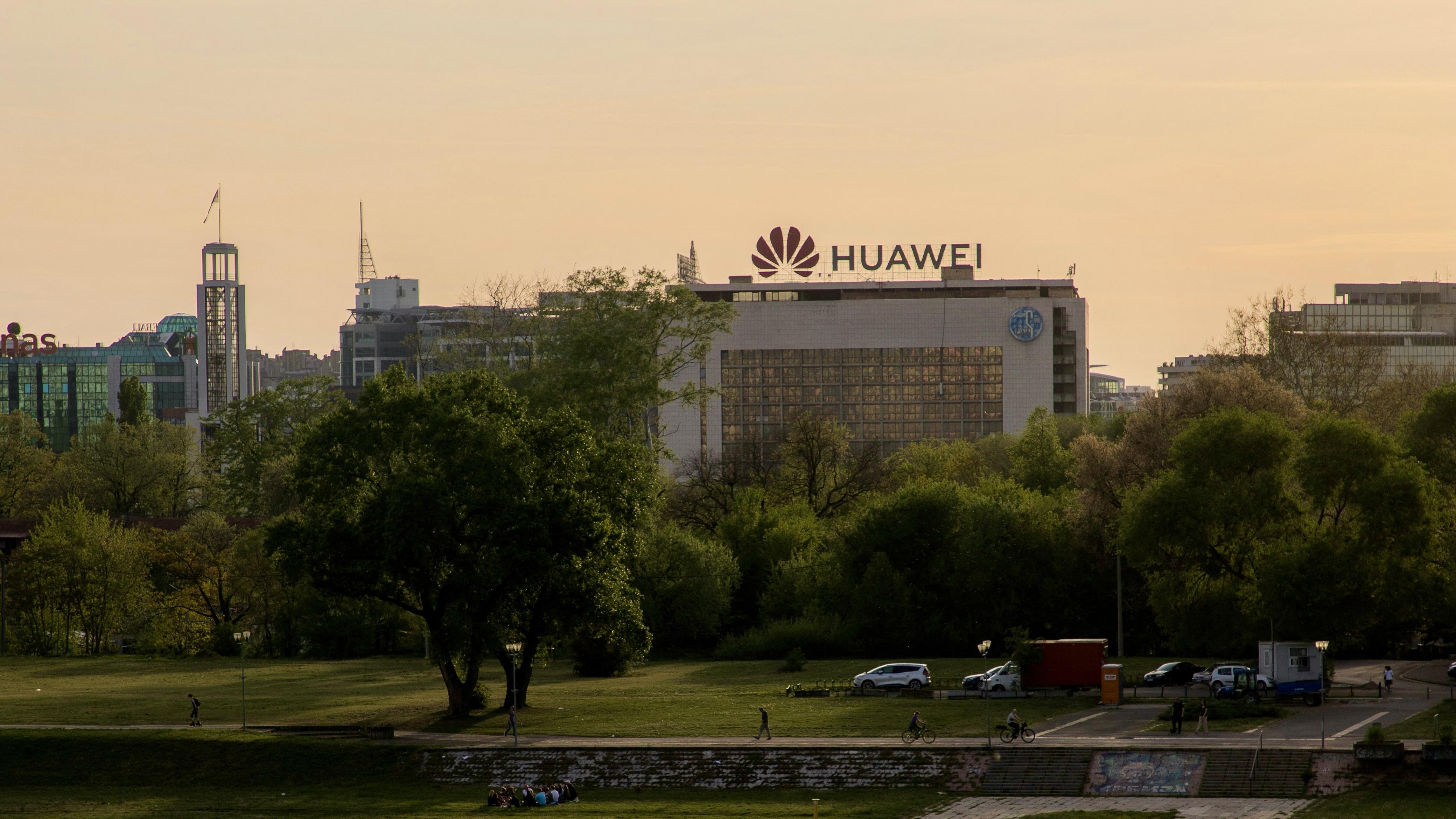
The U.S. is on the verge of loosening Huawei export restrictions, with lawmakers warning that continuing the current sanctions could lead to severe consequences for American semiconductor firms.
Huawei Export Restrictions May Be Relaxed Soon
It appears that Huawei's stringent US commerce export regulations are about to be relaxed. The US and China have been at odds over trade for a long time, but now it appears like the foreign powers may consider loosening certain limitations so they can gain.
Democratic lawmakers in California have reportedly asked US officials to hold off on imposing further sanctions on Huawei and other Chinese tech companies, according to a recent Reuters article (via HuaweiCentral).
Lawmakers Warn of Tech Industry Consequences
The Democrats made this statement because they think that sanctions that only target certain countries will hurt American businesses. Officials have gone so far as to say that long-standing US companies could be led into a "death trap" by additional sanctions.
In a letter sent to Alan Estevez on August 13th, two California legislators, Zoe Lofgren and Alex Padilla, voiced their worries about this issue. Alan oversees export restrictions as a senior official in the United States Department of Commerce.
Until you can prove beyond a reasonable doubt that such unilateral export restrictions would not hurt American competitiveness in high-tech semiconductors and semiconductor production machinery, we respectfully request that you refrain from implementing them.
They do not desire a total reversal of trade laws on China, as Padilla and Zoe made clear. But they highlight how the authorities aren't doing anything similar with this idea, therefore the security benefits of these limits seem dubious.
US Commerce Department to Respond Soon
According to the Commerce Department's statement following this letter, a suitable response on this topic will be provided soon. In light of US concerns about company failure, it appears that Huawei and other Chinese enterprises may be granted reprieve from the export restrictions.
The Democratic Party of California is taking a hard line with the United States Department of Commerce in this letter. In terms of chip production, California is unrivaled. Many of the leading American semiconductor companies are based there, including LAM, KLA, Applied Materials, and many more.
"Everything combined, the U.S. had to take some measures that could save its top business companies leading to failure," HuaweiCentral elaborates. "Probably to save the largest semiconductors firm from falling into a death trap, the U.S. might free up Huawei from tough export restrictions."







