


 Meta Launches Muse Wonder AI Models, Shares Rise 3.7%
  Morgan Stanley Predicts $10 Trillion RWA Market by 2030
  Anthropic Launches Claude Dashboards and Motion AI Tools
  Bumble Shares Surge 50% on $1 Billion Buyout Talks
  Trump Buys Up to $25M in Meta Stock, Invests in SpaceX Debt
  Apple Supplier Luxshare Faces US Patent Probe, Sees Limited Impact
  Amazon in Talks to Acquire AI Startup Decart for $7 Billion
  Syndax Stock Drops 15% After Axatilimab Trial Failure
  Epic Games Delays Disney Shooter, Shifts to AI-First Development
  US Suspends Microsoft, Adobe From Green Card Program
  Yandex Data Center Hit by Drone Strike as Russia-Ukraine Cyber Infrastructure Attacks Escalate
  Zcash Plans Quantum-Resistant Security Upgrade for January
  European Auto Stocks Rise as EU-China Trade Deal Targets Hybrid Imports
  Samsung, SK Hynix Shares Fall as China's CXMT Advances DRAM Technology
  Orsted to Take Full Ownership of UK Offshore Wind Farm for £15 Million
  Elon Musk Donates $366 Million to 2026 US Midterms


 Add as a preferred source on Google
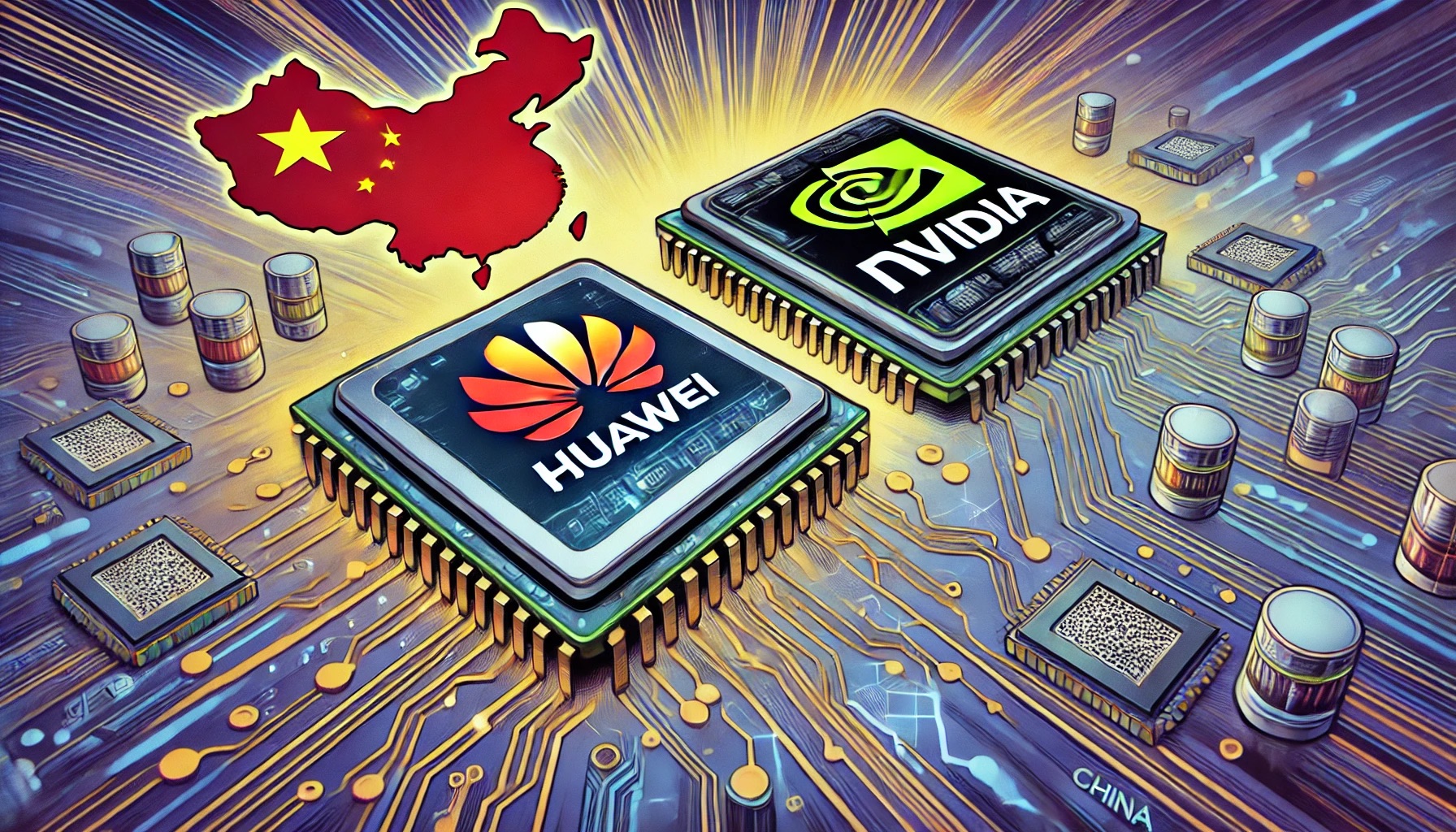
Huawei is challenging Nvidia's dominance in China’s AI chip sector with the upcoming release of its Ascend 910C, a formidable new player in a market where U.S. trade restrictions are already pressuring Nvidia.
Huawei Takes On Nvidia in China’s AI Chip Market
As long as Huawei is around, Nvidia will have a tough time retaining its dominance in the Chinese AI chip industry. The developer of the Ascend 910 appears to be prepared to compete with the American chipmaker with a powerful AI chipset after a little hiatus.
Per HuaweiCentral, rumor has it that Huawei is getting ready to take on Nvidia in the Chinese market with its Ascend 910C AI chip. This new product has been in the works for months at the corporation. It appears to be ready now, and it might enter the chipset battlefield as early as October.
With the US and China still at odds over chips, Huawei's new chip looks like a strike at Nvidia. Because of its low-end processors, the foreign chipset company is already having trouble in China. This might be made more worse by Huawei's planned system on a chip.
US Trade Restrictions Pressure Nvidia's Market Hold
As a result of U.S. trade restrictions, Nvidia is unable to sell its cutting-edge AI processors in China. Consequently, the business did tap the Chinese market for new chips, but those lacking in processing capacity failed to pique buyers' interest.
Maybe Huawei came up with a solution that could benefit Chinese firms in more than one way. First, it will lessen reliance on imported goods. Second, in comparison to the newly released Nvidia processors in China's consumer market, it is significantly more efficient and dependable.
An improved version of the Ascend 910B is the Ascend 910C. The chipset was tested on the Chinese internet and by a few carriers. It seemed from the results that the new AI processor from Huawei can easily equal the performance of the Nvidia H100 under different scenarios.
Ascend 910C Orders Surge to $2 Billion Ahead of Launch
It is anticipated that the Ascend 910C would be shipped by the Chinese OEM by October of this year. Customers such as ByteDance, Baidu, and China Mobile have already placed orders for more than 70,000 units of the chipset prior to its introduction. This order is valued at $2 billion.







