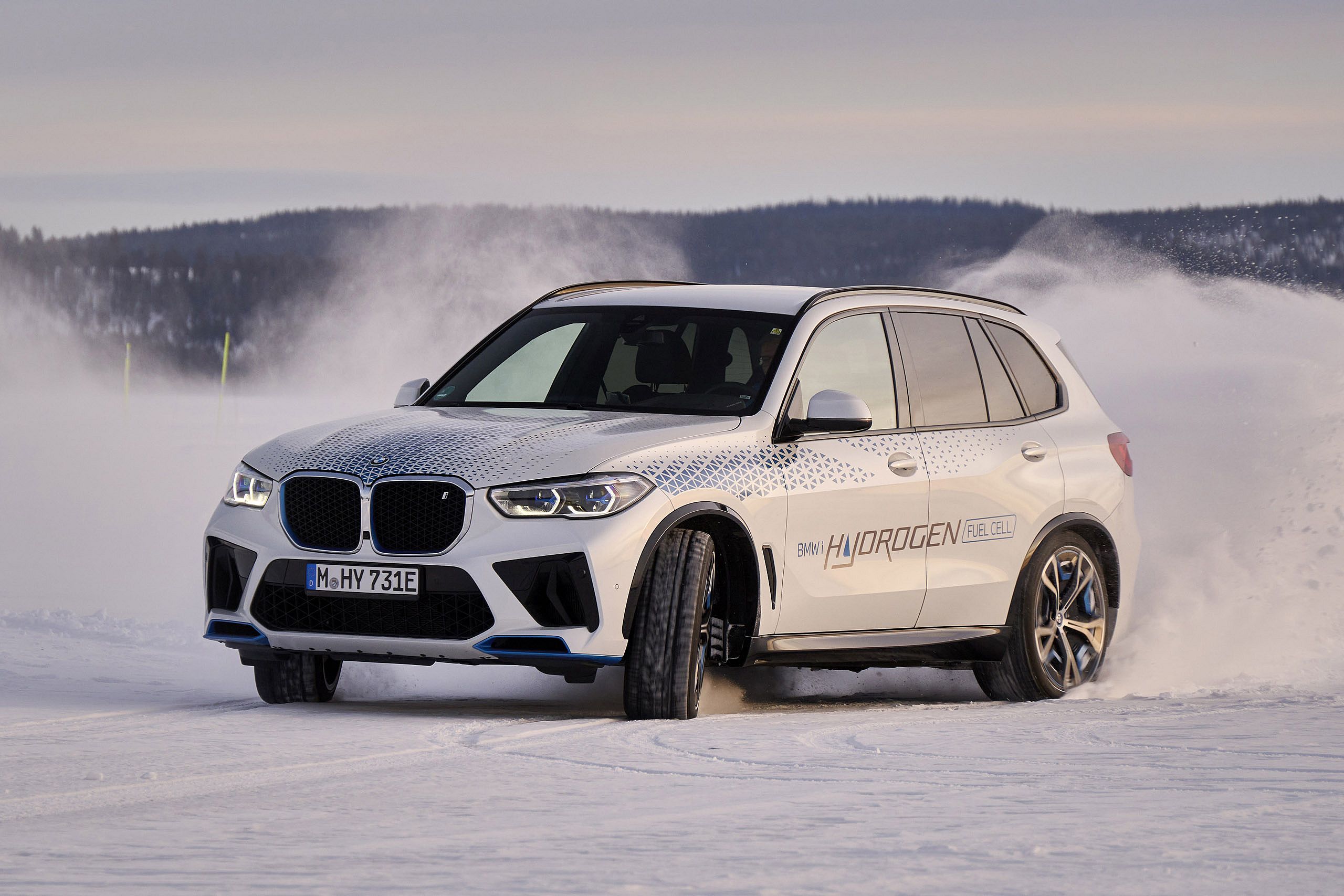
BMW chairman Oliver Zipse thinks hydrogen, and not batteries, will soon be the next trend and most desirable vehicular power source.
Zipse added that the hydrogen market was some years behind electric, but would soon be a major player.
BMW is currently ramping up its battery car offerings, adding the “i” badge to more and more models, and committing to making half of the Group’s new cars EVs by 2030.,
BMW recently announced the iX5, a hydrogen-fuelled X5 SUV that will enter production late this year.
Others hydrogen-savvy carmakers include Mercedes, Honda, and Toyota, the Japanese pair already selling fuel cell vehicles several years ago.
BMW’s ambitions for hydrogen could extend to other marques within the BMW portfolio.
But Zipse clarified that no one power source is so perfect it should sideline all others. Electric power makes sense in urban areas in developed countries where there’s ready access to charging infrastructure, but in other situations hydrogen could be preferable.


Greg Abel Sells Berkshire Hathaway Stocks Managed by Former Investment Manager Todd Combs
Polymarket Seeks $400M Funding Round, Targets $15B Valuation Amid Prediction Market Boom
Why a ‘rip-off’ degree might be worth the money after all – research study
Can your cat recognise you by scent? New study shows it’s likely
Huawei Expands Vietnam Presence Through Strategic Partnership with SHB Bank
Gold Prices Slip Amid Iran Tensions and Fed Chair Uncertainty
USMCA Talks Set to Resume as Mexico Signals New Round of Trade Negotiations
The pandemic is still disrupting young people’s careers
Jeff Bezos Eyes $10 Billion Funding Round for AI Venture Project Prometheus
Apple Stock Dips as Tim Cook Steps Down, John Ternus Named Next CEO
What’s the difference between baking powder and baking soda? It’s subtle, but significant
China Food Delivery Stocks Dip as Regulators Crack Down on “Ghost Deliveries”
SK Hynix Launches 192GB SOCAMM2 Memory for Nvidia’s Next-Gen AI Chips
We combed through old botanical surveys to track how plants on Australia’s islands are changing
Debate over H-1B visas shines spotlight on US tech worker shortages 


