


 North Korea Fires Ballistic Missiles Amid Rising Tensions With South Korea
  Mahmoud Abbas Postpones Palestinian Elections to September 2027
  Elon Musk Donates $366 Million to 2026 US Midterms
  Trump Calls for Zelenskyy Replacement Amid Russian Diesel Deal
  Trump Sanctions International Criminal Court, Sparking EU Backlash
  Zelenskiy Offers Russia Energy Truce Amid Trump Pressure
  Pakistan Declares Emergency in Khyber Pakhtunkhwa, Suspends Imran Khan’s PTI Government
  NATO Commander Warns Russia of Devastating Response to Attack
  Trump Announces Russia-Ukraine Energy Ceasefire Amid U.S. Pressure on Kyiv
  US Judge Blocks Trump Administration’s Taxpayer-Funded Political Ads
  Trump Defends Russian Diesel Deal Amid US Sanctions Backlash
  US Authorities Raid Ilhan Omar’s Home Amid Immigration Fraud Probe
  Jordan Bardella Antisemitism Allegations Threaten Le Pen’s Campaign
  Trump Plans White House Shake-Up of Key AI Safety Agency
  Most Americans Oppose Election Betting on Prediction Markets, Poll Finds
  Trump Denies Russia and China Are Helping Iran in U.S. Conflict


 Add as a preferred source on Google
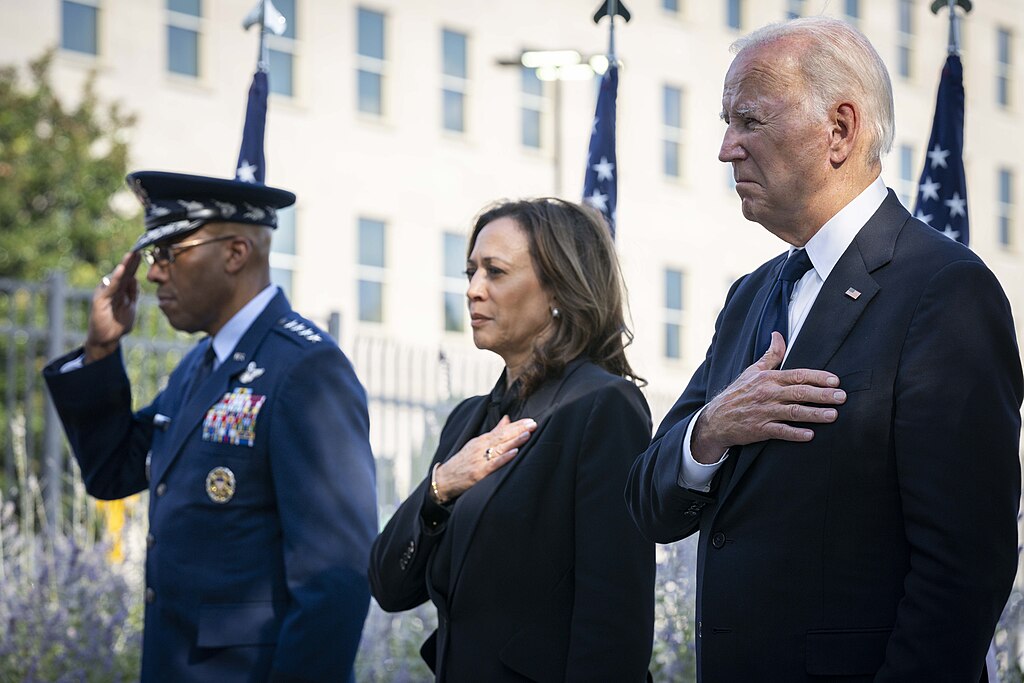
Vice President Kamala Harris, frequently dubbed the "Border Czar" for her role in overseeing the Biden administration’s immigration efforts, has ignited a new round of criticism following her recent comments on illegal immigration. In a brief but highly scrutinized appearance, Harris is accused of reversing her stance on immigration control, sparking accusations of hypocrisy from her political opponents. Critics argue that her comments reflect a sudden concern for border security after an influx of over 20 million illegal immigrants under her watch, while others accuse her of pushing for mass amnesty.
Harris’s remarks, delivered during a recent public appearance, addressed several aspects of the Biden administration’s immigration policy. She expressed a renewed interest in tackling the challenges of illegal immigration but also pointed fingers at former President Donald Trump for his lack of support on immigration reform. Harris specifically referenced a bill that would have expedited the path to citizenship for undocumented immigrants, which she claimed did not receive sufficient backing from Trump during his presidency.
However, it was Harris’s call for a comprehensive overhaul of the immigration system, including what many interpreted as mass amnesty for millions of undocumented individuals, that drew the most intense reactions. Political analysts and opponents swiftly condemned her position, arguing that Harris’s rhetoric conflicts with the Biden administration’s perceived leniency on border security. For critics, her latest comments were viewed as an attempt to deflect blame for the ongoing border crisis while advocating for policies they believe could further exacerbate illegal immigration.
Republicans have seized on this moment to highlight what they consider inconsistencies in Harris’s immigration policies. They argue that the administration has failed to adequately secure the U.S.-Mexico border, leading to a record number of undocumented migrants entering the country over the past two years. The vice president’s latest remarks are seen by her detractors as an effort to rewrite the narrative on the administration’s handling of the border crisis while still pushing for policies, like amnesty, that they argue incentivize further illegal immigration.
The issue of immigration has been a deeply divisive topic throughout the Biden presidency, with the administration facing growing pressure to address the surge in illegal border crossings. Harris’s position as the face of the administration’s border policy has made her a focal point for criticism. Many believe that her latest remarks signal a shift in strategy, but the broader public debate remains fiercely polarized.
While Harris’s defenders argue that comprehensive immigration reform is long overdue and necessary to address systemic issues, critics warn that any form of amnesty could lead to further strain on the nation’s resources and security. The debate continues as immigration remains a top issue for voters ahead of the 2024 election, with both sides sharply divided on how best to resolve the ongoing border crisis.
Disclaimer: EconoTimes cannot independently verify the claims regarding Vice President Kamala Harris’s specific comments or her administration’s handling of illegal immigration.
As the conversation surrounding immigration policy intensifies, Harris’s remarks will likely remain a key talking point in the political discourse, with potential implications for the Biden administration’s broader immigration strategy. Whether her comments are seen as a necessary step toward reform or a continuation of problematic policies will depend largely on how the administration addresses the ongoing challenges at the border in the coming months.







