


 Mexico Pushes for US Trade Deal Before Midterms
  SEC Seeks ISS Client Voting Records in Proxy Adviser Probe
  US Immigration Arrests Surge as Deportations Lag Behind
  DOJ Will Investigate AI-Related Crimes, Attorney General Blanche Says
  Venezuela Nears Deal to Move $4 Billion in Gold to New York Fed
  Pentagon Restarts Testosterone Testing for US Troops
  Australia Defends Social Media Algorithm Law Amid US Concerns
  Trump Bans CNN, MS NOW and Politico From White House
  Brazil Warns EU of Retaliation Over Animal Products Ban
  FAA Allows Boeing to Sell 35 More 777F Freighters Beyond 2028
  France Targets Shein, Temu With Fast-Fashion Fees
  Trump Hopes Iran War Nears End as Yemen Fighting Escalates
  Iran Economic Crisis Forces Afghan Families to Return Home
  UN Allows Mahmoud Abbas Video Address After US Visa Denial
  Paris Talks Focus on Lebanon Army Needs as UNIFIL Exit Looms
  Who should own the knowledge that underpins AI technology?
  Synthetic data could ease people’s concerns about privacy breaches. But who gets to create it?


 Add as a preferred source on Google
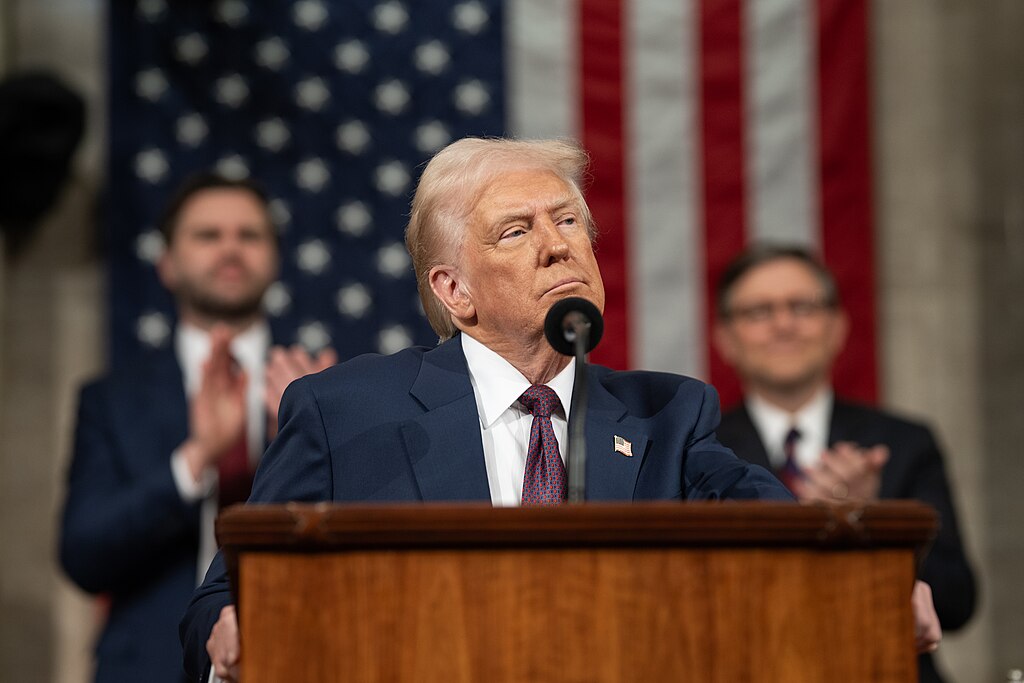
U.S. President Donald Trump is escalating his administration’s conflict with elite universities, threatening to cut an additional $1 billion in federal health research funding to Harvard University, according to the Wall Street Journal. The move follows the administration's crackdown on institutions such as Harvard and Columbia over what it describes as their failure to address antisemitism linked to pro-Palestinian protests.
Last week, Harvard rejected federal demands to exert more control over its students, faculty, and academic programs, warning it would undermine academic independence. In response, the administration froze $2.3 billion in federal funds and threatened to revoke Harvard’s tax-exempt status.
The new $1 billion cut reportedly stems from the administration’s frustration that a confidential list of demands sent to Harvard on April 11 was made public. Officials believed the letter, which outlined restrictions including banning face masks at protests, dismantling diversity and inclusion initiatives, and enhancing cooperation with law enforcement, would serve as a private starting point for negotiations.
The letter, co-signed by the Departments of Education, Health and Human Services, and the General Services Administration, also urged Harvard to cease recognition of specific pro-Palestinian student groups and report international students who violate university rules.
Trump has repeatedly criticized top U.S. universities since taking office in January, accusing them of tolerating antisemitism while mishandling pro-Gaza demonstrations. Many demonstrators, including Jewish groups, argue their activism targets Israel’s policies—not Judaism—and that the administration is mischaracterizing legitimate protest.
Neither Harvard nor the White House responded to requests for comment. As tensions rise, the administration now plans to apply greater pressure on Harvard, shifting from an initially more lenient stance compared to Columbia.







