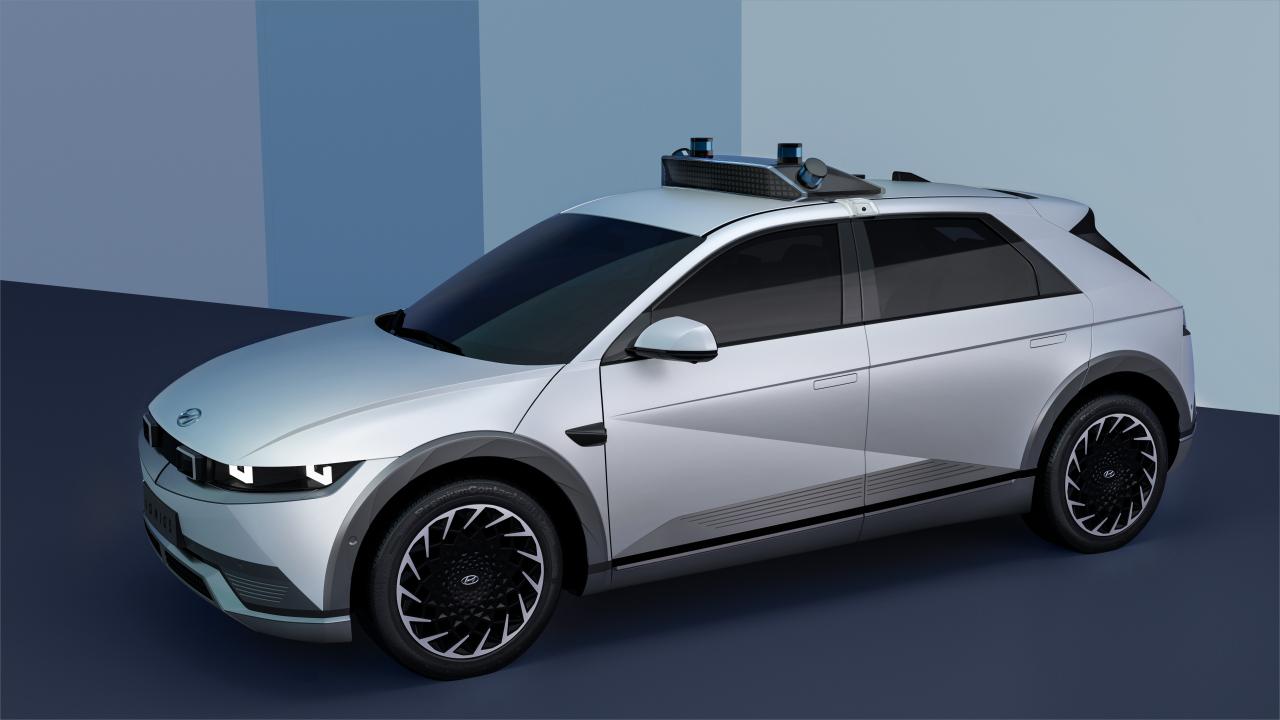
Hyundai Motor Group has unveiled a brake failure response system for autonomous vehicles, which checks the operation of the main braking device through an engine control unit (ECU).
The response was posted on its corporate website.
After the system checks the operation of the main braking device but there is no response, it checks whether braking is possible through an assistant braking device.
If the assistant braking device is not available, it sends a signal to the nearest self-driving control system indicating a braking system problem.
The control system sends a rescue signal to the autonomous rescue vehicles that are closest to the broken-down vehicle.
The car rescues the troubled vehicle by taking control of its steering system based on the information provided.
Staying in front of the troubled vehicle, the rescue car reduces the speed of the troubled vehicle by contacting the bumper and completely stops it through vehicle control.
According to a Hyundai Motor Group official, the core part of the technology is to reduce the risk of accidents via mutual interactions with other surrounding vehicles using wireless communication.
Hyundai Motor has filed for patent protection for the new system.