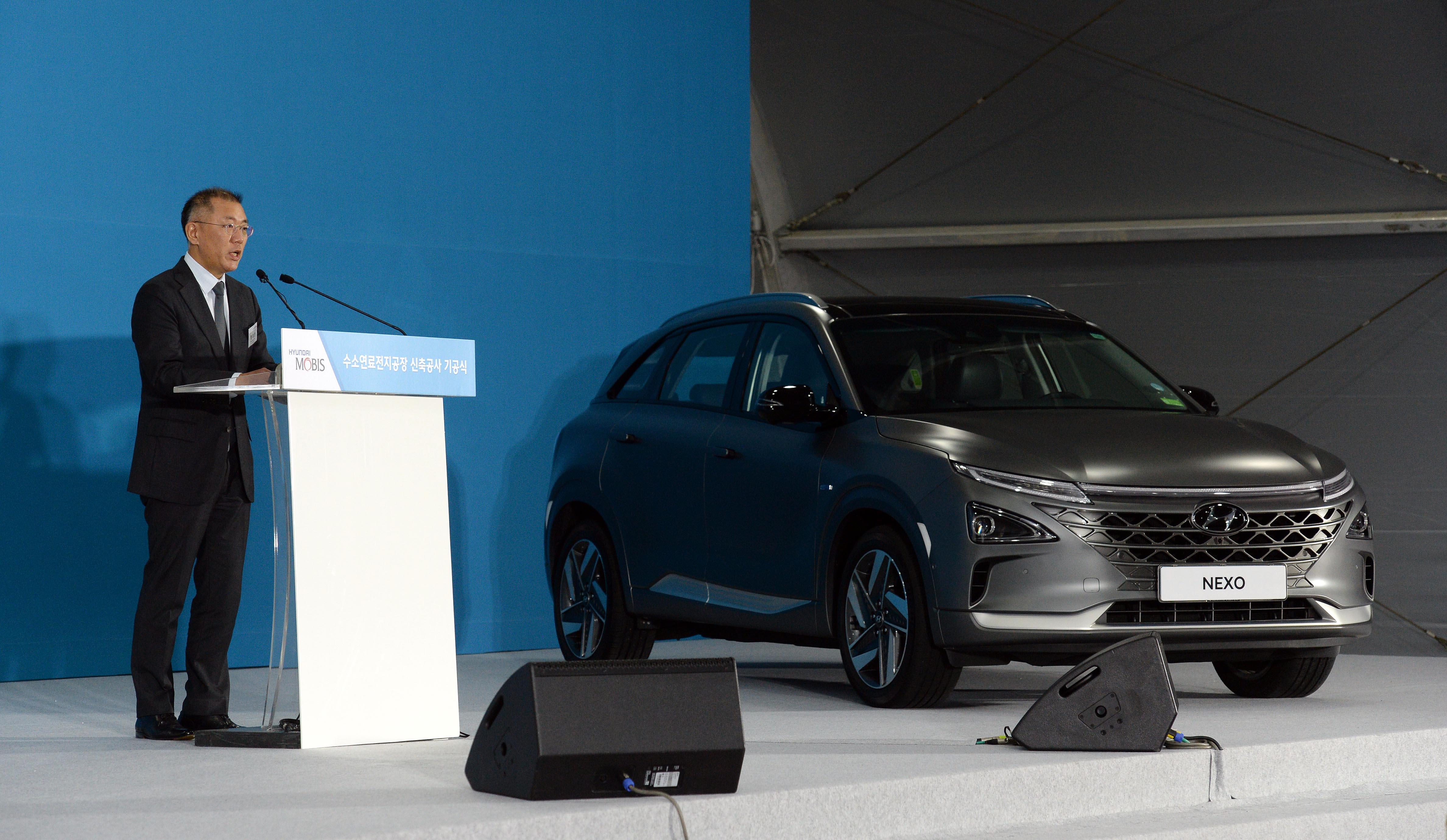
Hyundai Motor had exported two Nexo FCEVs and two Elec City fuel cell electric buses from Ulsan to Saudi Arabia, marking its first-ever fuel cell electric vehicles (FCEV) exports to the Middle East.
The four FCEVs will be delivered to state-run oil firm Saudi Aramco and will be used for test drives to verify its economic feasibility.
According to Hyundai Motor Vice President of the Middle East and African region Jeong Bang-sun, exporting FCEVs to the world’s top oil producer is a meaningful step and they intend to expand the supply of FCEVs in the Middle East.
Hyundai Motor and Saudi Aramco signed a memorandum of understanding in June last year to roll out more FCEVs in Saudi Arabia.
Saudi Arabia is the first country that Hyundai has exported Elec City FCEVs to.
Nexo can run about 609 kilometers on a single charge, while Elec City could cover 430 kilometers.

Meta Cloud Ambitions Could Challenge AWS, Azure, and Google Cloud, Says Morgan Stanley
easyJet Agrees in Principle to £5.23 Billion Castlelake Takeover Offer
ShareChat Eyes 2027 IPO After Reaching Operational Profitability, Report Says
Sodexo Raises 2026 Revenue Outlook After Strong Q3 Sales Beat
Switch Seeks $2 Billion Funding at Nearly $50 Billion Valuation Ahead of Potential IPO
Northern Star Appoints New CEO as Activist Elliott Pushes for Leadership Overhaul
Kioxia Bets on AI Memory Boom With Next-Gen NAND Production in Japan
Kuaishou Stock Jumps as Kling AI Secures $2 Billion Funding Round
Suncorp Cuts 2026 Premium Growth Forecast as Australia, New Zealand Markets Weaken
TetherMax Rebranding Highlights Official Exchange Partnerships as Foundation of Trust
DOJ Seeks Dismissal of Fraud Charges Against Gautam Adani in U.S. Court
Chinese Copper Foil Maker Londian Files U.S. IPO as EV Battery Demand Grows
Super Micro Employees Detained in Taiwan AI Server Export Investigation
EU Chip Industry Faces Growing Risks From China Export Controls and U.S. Technology Dependence: Report
Tesla Q2 Deliveries Lift Chinese Auto Suppliers as EV Demand Improves
AI Memory Chip Shortage Likely to Persist Despite Korea Investment Boom, Nomura Says 


