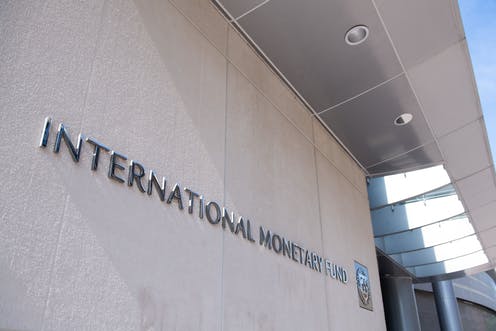
Sub-Saharan African governments are increasingly turning to domestic banks to finance budget shortfalls, paying more to borrow locally than from international markets, according to the International Monetary Fund (IMF). In its latest Regional Economic Outlook, released during the IMF and World Bank annual meetings in Washington, the Fund cautioned that the trend could heighten financial risks and crowd out private investment across the region.
The IMF noted that the cost of capital in sub-Saharan Africa remains persistently high, with local financial markets described as shallow, fragmented, and costly. In many countries, new domestic borrowing has become “significantly more expensive” than external borrowing. The heavy dependence on local banks to fund governments is inflating borrowing costs and reducing credit available for private businesses.
The report highlighted a troubling cycle in which banks’ growing holdings of government debt—rising faster in sub-Saharan Africa than anywhere else—could create a “vicious feedback loop”. Weakened public finances may threaten bank stability, restrict credit flows, and intensify fiscal strain.
IMF African Department Director Abebe Aemro Selassie described this shift as a double-edged sword. “About half of total public debt is owed to domestic banks,” he said, noting that while local borrowing allows countries to use their own currencies, excessive reliance could destabilize banking sectors if governments face repayment challenges.
After being shut out of global markets in 2022, several African nations cautiously re-entered them in 2024. Despite easing borrowing costs, many are still burdened by old debts and aim to avoid new debt traps. The IMF urged stronger debt management, transparency, and diversified financing, including blended finance and debt-for-development swaps.
With global aid declining, Selassie emphasized the need to mobilize domestic and private resources, calling it a critical step toward sustainable growth and financial resilience across Africa.