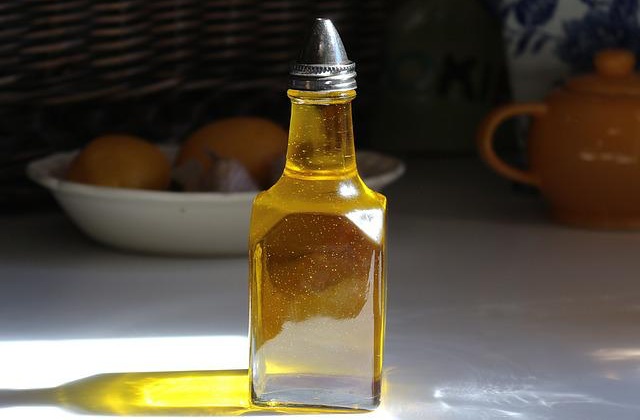
Indonesia is currently the biggest producer of palm oil and supplying 59% of the entire world’s production as of last year. Now the country has made a startling announcement on April 22, saying it will prohibit exports of the oil starting April 28.
As per Korea Joongang Daily, Indonesian President Joko Widodo explained he made the decision to impose the ban on palm oil exports to make sure their own nation would not run out of oil and have enough of it on hand.
The leader did not say how long the ban would be in place. Starting this Thursday, the exporting of palm oil is prohibited, and this will continue until further notice from the government.
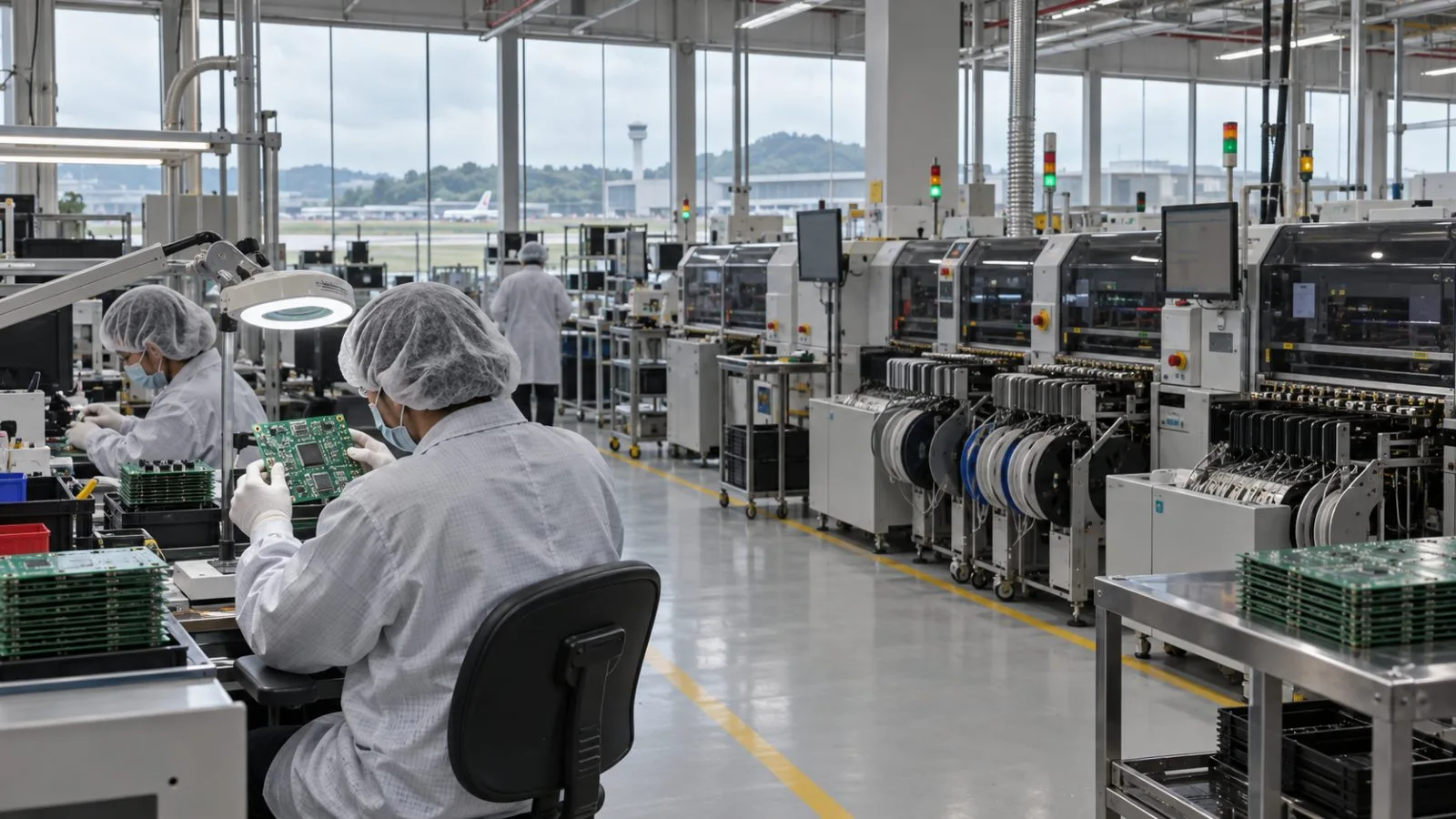
With the impending ban, it was reported that some of the major manufacturing companies in South Korea will be adversely affected. This is because palm oil is a key ingredient in a lot of food products being manufactured there. In other words, President Widodo’s decision will hurt food companies in Korea.
Moreover, palm oil is being used as a cheaper alternative to sunflower oil and cacao butter when making chocolates and frying potato chip snacks. The manufacturers of ramyun or instant noodles will also be badly hit as they also use the palm to fry the noodles. It was said that flour and cooking oil actually make up around 40% to 50% of production costs.
There is a big chance that companies will have to raise prices to replace palm oil. The price hike is necessary, but this will also hurt their profitability.
“The average price of flour, corn, vegetable oil, and palm oil rose 63%, 33%, 13%, and 58%, respectively, on year in the first quarter of 2022,” an analyst at Daeshin Securities, Han Yu Jung, said. “Companies are going to struggle from rising production costs in the second quarter as well.”
At any rate, Reuters reported that shipments of palm oil from Indonesia will officially stop before this week ends. The country will also be halting the exports of cooking oil raw materials to help combat the rising domestic prices.
Jokowi said in a video broadcast that their aim for the new order is to ensure the availability of food products at home. "I will monitor and evaluate the implementation of this policy so availability of cooking oil in the domestic market becomes abundant and affordable," the Indian president said.